
NAfME BLOG
Strategies for Managing Scheduling Conflicts with Your Music Program

What strategies do you use to manage scheduling conflicts with your music program during the day or before/after school?
This article first appeared in the January 2026 issue of Teaching Music.
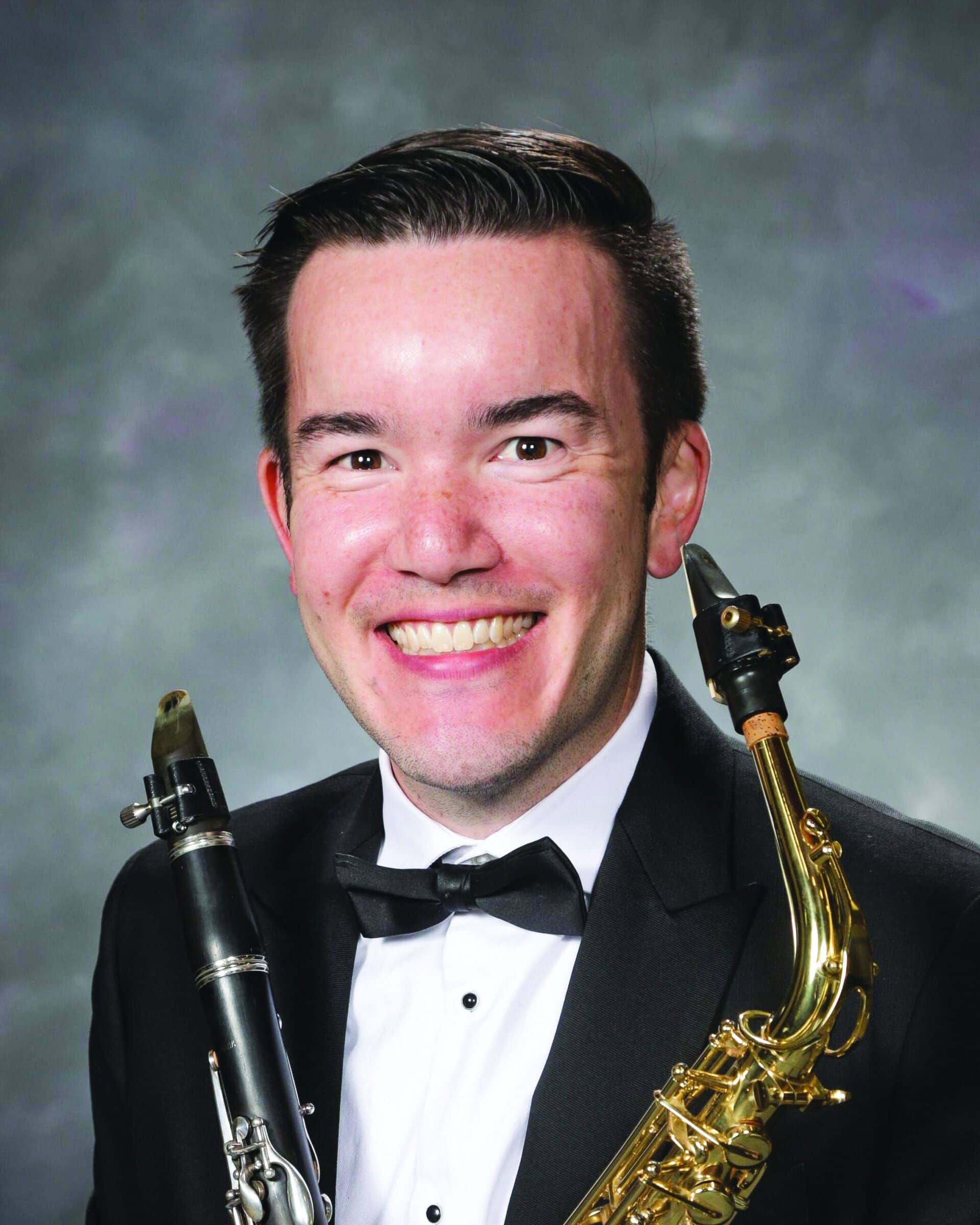
Photo Credit: Parsons Photography
James Mitsuyasu
Music Educator, Eastmont High School, East Wenatchee, Washington
Our music and performing arts department tries to set our entire year’s calendar in April or May the year prior, and I mail out hard copies in my summer letters to families to help everybody get their calendars marked early so they can see where there might be conflicts. My colleagues and I also try to be consistent among ourselves about which events we are tight about students attending (concerts and festivals, etc.) and which events we can be looser on, like an after-school rehearsal or a night of pep band. We refer to the sports schedules and work around games or meets when we can, especially if we know we’re going to have students participating in that sport as well as in our music ensembles.
We also work with our administrators and counselors during registration season to let them know about any advanced-level singleton classes that might overlap with one of the ensembles, just in case it’s possible to slot it into a different period and allow music students to maintain high rigor elsewhere. It isn’t always possible to avoid the schedule issue, but if a student isn’t able to get the one choir or band class they wanted, sometimes we can find a way for them to join one of the other ensembles that still lets them use the skills they have to participate in the department.
Some of the challenges we’ve encountered include additional graduation requirements imposed by our school district on top of the state requirements, which puts an additional squeeze on the elective options students can choose in order to graduate on time. When possible, we remind students to think of the long-term plan, and to spread the graduation requirements across their entire high school career so they’re still able to participate in the music classes with continuity.
Sometimes it takes some encouragement for them to meet with their academic counselors in person so they are able to explain what they need and advocate for themselves directly. We also have a lot of Running Start students who attend the local community college for everything but their music classes, so sometimes they are unable to join for a quarter or semester if that class schedule overlaps. In all cases, as long as they can meet the core performance expectations for the ensemble, we try to find a way to make it work!
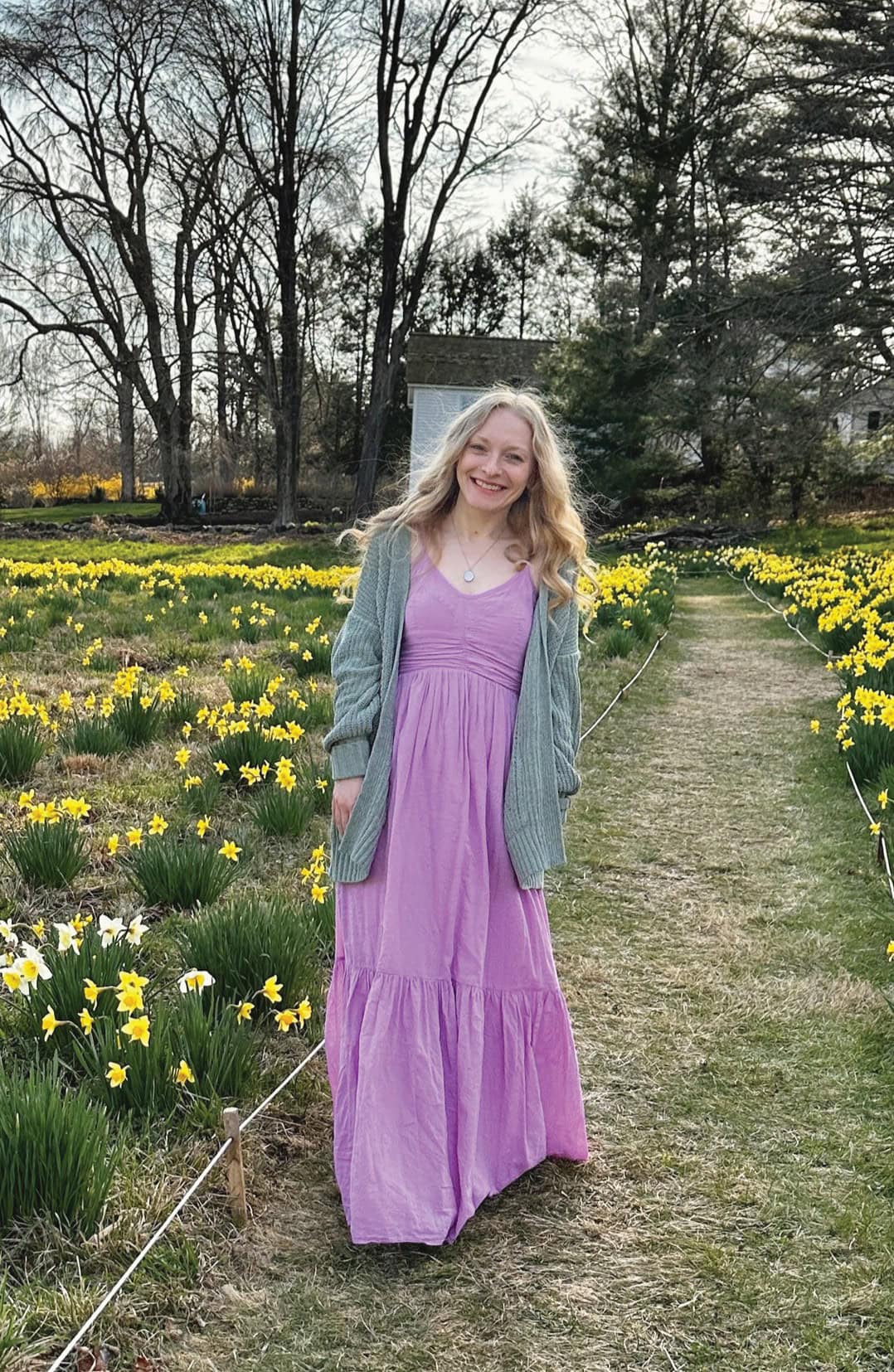
 Erin Goff
Chorus Director and 3–5 Music Teacher, Candlewood Lake Elementary School, Brookfield, Connecticut
I think maintaining an open channel of communication with administration has helped me immensely in being able to maintain and grow my program. I am very thankful to have administrators who always have an open door and an open ear. At the end of last year, I was able to approach administration with the metrics for our anticipated chorus this year. Both grades have doubled their chorus numbers and, with close to 100 students, would no longer fit in my classroom. My administrators were more than happy to help me find a large space during the school day to host these rehearsals.
In the same meeting, I was able to advocate for beginning a brand-new fifth-grade advanced chorus. Unfortunately, my school schedule is too packed to fit in an advanced chorus during the school day. My administrators helped me work out an after-school advanced chorus.
Flexibility has also been crucial to my program’s success. If a student has a makeup speech or occupational therapy, I am a team player and am more than happy to put those students’ needs first. Thankfully, my students catch up on what they missed by listening to the recordings of their parts and connecting with classmates who are section leaders and who will help them catch up in their free time.
I love to use students to advocate for my program. If an administrator or any other staff in the building walk into rehearsal, they are immediately invited to sing or they are serenaded. I make it a point to show that students can do it all. I have students on the football team, the swim team, the soccer team, in band, and I love being able to showcase those students as chorus student leaders.

Photo: miniseries | E+ Collection via Getty Images
 Andrew Ritenour
Music Academic Specialist, Anne Arundel County Public Schools, Annapolis, Maryland

In my previous roles as a high school band director and an elementary band and orchestra teacher, I found the strategic use of data, collaboration, and intentional communication to be highly effective. These strategies, built upon a strong foundation of positive collegial relationships, helped me manage scheduling conflicts and advocate for adequate instructional time for my students.
As a high school band director, the starting point to advantageous scheduling was the data point of high enrollments in ensemble classes. I collaborated with middle school colleagues to build recruitment pipelines via invitations to partner in concerts, workshops, and marching band events. We routinely communicated scheduling specifics to families during scheduling season. These efforts not only boosted enrollment but empowered students and families to advocate when scheduling conflicts occurred.
I also collaborated closely with the school counselors who were responsible for scheduling. Direct communication with counselors—meeting in person rather than emailing—created an opportunity to provide context for the impact of scheduling conflicts, which led to deeper understanding and creative solutions that preserved ensemble integrity.
In my role as an elementary band and orchestra teacher, my program operated on a pull-out schedule where students left other instructional areas to attend strategically grouped band and orchestra lessons for 30 minutes, twice per week. From week to week, lesson times rotated throughout the day to minimize the impact on other instructional areas. The most common scheduling conflict occurred when administrators requested that instrumental lessons not occur during specific classes. This would have led to large classes and student groupings that would hinder progress.
The strategic use of data was extremely effective in managing this conflict. By comparing a schedule based on the administrators’ request with a fully rotating version and calculating missed instructional time for band and orchestra, I demonstrated that the rotating schedule was the more logical choice. Collaboration with grade-level teachers, rooted in strong foundational relationships built over time, often proactively solved this conflict as well. Administrators were much more likely to approve a fully rotating schedule when they knew that grade-level teachers were on board.
In my current role as a music academic specialist, I’ve had the privilege of observing how teachers across our district apply these ideals to navigate scheduling challenges in their music programs. At the district level, these same strategies have informed the development of systemic scheduling guidelines for elementary instrumental programs, helping to preserve instructional time in all content areas via fully rotating instrumental music schedules.
Elementary instrumental music teachers consistently engage with non-music colleagues to build support for their schedule proposals and use data to advocate for time and groupings that best serve their students. At the secondary level, many educators have successfully resolved conflicts by fostering strong vertical team communication and working closely with scheduling staff to find creative solutions. While scheduling conflicts will never be completely eliminated, they can be effectively managed through proactive advocacy grounded in data, collaboration, and intentional communication.
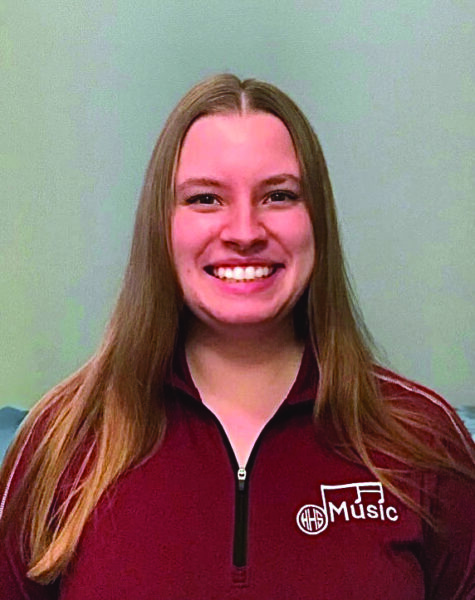 Kendra Woywod
Band Director, Henderson High School, West Chester, Pennsylvania
I really like my schedule at the moment. Right now, I see my concert band three out of five cycle days and jazz band the other two. I feel that we have adequate rehearsal time, and I have a couple periods built into my schedule that allow for occasional pull-out lessons.
One challenge is the number of interruptions to the school day over the course of the year, including testing days (such as Pennsylvania’s Keystone Exams, world language testing, the PSAT, and AP testing), class meetings/assemblies, pep rallies/spirit events, activity fairs, and safety drills. Many of these are necessary, but it is rare to make it a full week of school without interruptions or alternate/shortened schedules. We have a thriving culture of clubs and activities that are highly involved, which is awesome, but we are frequently all competing for students’ time. Also, alternate school options for students (tech school, allied health, cyber) are good programs, but those pathways involve students being out of the building for a large part of the day and they usually can’t fit in electives. It’s not a large number, but I probably lose two or three students a year to these programs.
“My administration always responds well to the idea that music is universal and something that is common to the human experience.”
On the plus side, my administration always responds well to the idea that music is universal and something that is common to the human experience—we all engage with music in our daily lives in some way. Not only does music have benefits in cognitive, artistic, and social abilities, but there is value in studying and expressing something that is part of who we are. My proactive strategy has been to consistently share all the good things happening in our music program all year, especially if some data statistics are involved. We email administrators and write articles for the newsletter about every success, such as trips, concerts, workshops, or participation in Pennsylvania Music Educators Association events, to show our value.
Our district recently announced it is implementing a completely new high school schedule. Some of the most important areas we advocated for were keeping the same number of periods (as opposed to cutting a period and losing an elective), maintaining the frequency of classes so we see them often, and allowing students to be in multiple ensembles (more than 50% of my band is also in choir or orchestra and this is important to us to keep). Our administrators have been receptive to looking at specific case studies—for example, the schedule of a student in three different ensembles and multiple AP classes—so they see specific scenarios and why they matter for actual students.
Did this blog spur new ideas for your music program? Share them on Connect! Interested in reprinting this article? Please review the reprint guidelines.
The National Association for Music Education (NAfME) provides a number of forums for the sharing of information and opinion, including blogs and postings on our website, articles and columns in our magazines and journals, and postings to our Connect member portal. Unless specifically noted, the views expressed in these media do not necessarily represent the policy or views of the Association, its officers, or its employees.