NAfME BLOG
The Musical Friendship of Ella Fitzgerald and Louis Armstrong

An Interview with Music Educator and Children’s Book Author Dr. Rekha S. Rajan
By Amy Bradley, NAfME Editor
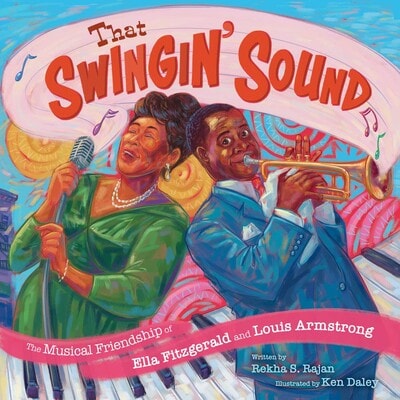
In her award-winning children’s book That Swingin’ Sound: The Musical Friendship of Ella Fitzgerald and Louis Armstrong, music educator, musician, researcher, author, and NAfME member Rekha S. Rajan invites readers into the extraordinary true story of these two legendary jazz artists, illuminating how collaboration, creativity, and friendship can shape lives and history. The book’s back-cover description sets it up:
Ella Fitzgerald loved to dance. When little Ella heard jazz music, the music notes moved her legs as she twirled around New York City. Way down south, Louis Armstrong loved to sing. When jazz music played, young Louis’s voice rumbled like a steam train in New Orleans. While Ella dreamed of dancing on stage and Louis of being a famous singer, it wasn’t until they switched things up that they became famous, Ella for singing and Louis playing the trumpet. One magical night when they took the stage together, the music started to swing, and a lifelong musical friendship was born.
That Swingin’ Sound is a rhythmic read-aloud picture book biography that itself is the product of a creative collaboration. Rajan worked with artist Ken Daley, whose vibrant illustrations help bring the story as she tells it to life.
For Jazz Appreciation Month, NAfME Editor Amy Bradley interviewed Rajan about the inspiration behind the book, her creative approach, and ways music educators can share this impactful story with their students.
What inspired you to pick up this story of Ella Fitzgerald and Louis Armstrong for a children’s book?
There are many wonderful biographies and other books on Ella Fitzgerald and Louis Armstrong individually, but this is the first children’s book to delve into their collaborative musical friendship. Their recording of “Cheek to Cheek” remains one of my favorite songs today because it shows how they played off of each other’s musicality. At one point in the song, Louis says, “Take it Ella, swing it,” and that became the inspiration for my story.
What aspects of their musicianship or collaboration do you feel resonate most with young people today?
Anyone who studies music, plays a musical instrument, or sings, can often feel that this is a very isolated activity. We spend hours practicing alone, perfecting our craft. While Ella and Louis were both incredible musicians on their own, when they made music together, they amplified their own musicianship while creating an entirely new sound.
The reality is that many of our younger generations are not familiar with Ella and Louis or even jazz music as a genre. I am thrilled t the book was awarded the Junior Library Guild Gold Selection and has received a starred review and numerous positive trade reviews that speak to how this story could be a springboard for introducing these musical legends and the value of collaboration and improvisation. One reviewer noted that this story will hopefully inspire young readers to make their own musical collaborations—something that is so important in music education.
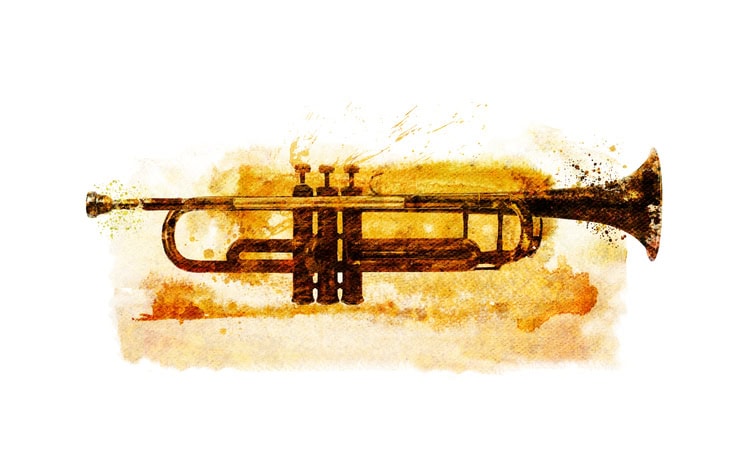
SEAN GLADWELL/Moment Collection via Getty Images
How did you approach framing and shaping their story for a children’s book?
While a typical biography takes a timeline approach, and often focuses on the individual as an adult, I wrote this book as a dual biography, demonstrating parallels in Ella’s and Louis’s lives from childhood through the moment they finally performed together. Both Ella and Louis had difficult childhoods, and I touch on some of these points, not to show desperation but to demonstrate how they overcame obstacles to achieve their dreams. I think that is something children can connect with.
What was it like collaborating with artist and illustrator Ken Daley to visually bring this story to life?
When my editor suggested Ken as the illustrator, I was speechless. Not only is Ken an award-winning artist, but he had already created beautiful portraits of jazz musicians, including Ella and Louis. I had the wonderful opportunity to meet him in person. We talked about how jazz music influenced both of our artistic careers, and I discovered that he is also a musician. If you look closely at the art, you can see his own musical influences woven throughout each spread. We are currently working on a new picture book together titled Beats at the Block Party with our same editor and publishing team. Hopefully, this is an example of how meaningful artistic and musical collaborations can be!
What are some practical ways teachers can weave this book into their lessons or classroom activities?
The most obvious connections are to promote and support learning about Ella Fitzgerald and Louis Armstrong, jazz music, and the origins and history of jazz. But the deeper part of this story is the collaboration between two musicians—both of whom were incredibly talented and also famous in their time—and how they found a “new” way of making music together. Lessons or activities that encourage collaborative music making while touching on cultural themes would be a perfect way to build upon this book. For example, the book highlights many important topics in social studies, including diversity, racial discrimination, and segregation, as well as music history. Teachers could build a lesson on exploring how jazz music brought people together during a time when audiences were often separated because of skin color.
At the end of the book, I list several additional resources, including recordings, YouTube videos of Ella and Louis’s performances, and other great books that music teachers can check out and use in their classrooms.
What do you hope children feel or imagine as they read or listen to this story?
My mom used to say that when I was two years old, I would dance to the sound of our washing machine. I have always heard music and rhythm around me and felt music inside of me. I hope that young readers take a moment to feel that music is all around us and within us, and, through this story, to listen and respond to the beats, rhythms, and sounds in their own environment.
______
THAT SWINGIN’ SOUND (Beach Lane Books) is available for purchase at all major bookstores and retailers.
About the book author:
 Dr. Rekha S. Rajan is a USA TODAY bestselling and award-winning author of more than 30 books (nonfiction and fiction) for kids and adults. She is also former academic editor of NAfME’s Journal of General Music Education (JGME), where she led the redesign and restructuring of the journal and its scope. She is a classically trained opera singer, has performed in numerous musicals, and plays a wide variety of instruments. She lives in Chicago, Illinois.
Rekha loves visiting schools virtually and in person to share her work and engage students with music, movement, and creative learning. Find out more on how to schedule school visits and reach out to her on her website rekhasrajan.com, @RekhaSRajan (Instagram), or by email at musician2391@gmail.com. She will send a free, signed copy of That Swingin’ Sound to the first two NAfME members to get in touch with her!
______
Did this blog spur new ideas for your music program? Share them on Connect! Interested in reprinting this article? Please review the reprint guidelines.
The National Association for Music Education (NAfME) provides a number of forums for the sharing of information and opinion, including blogs and postings on our website, articles and columns in our magazines and journals, and postings to our Connect member portal. Unless specifically noted, the views expressed in these media do not necessarily represent the policy or views of the Association, its officers, or its employees.