
EVENTS
From Can’t to Can: Positive Classroom Management in the Music Classroom
About the Event
The music classroom is unlike any other space in the school; it’s dynamic, expressive, energetic, and full of movement and sound. But with that excitement comes unique classroom management challenges: transitions between activities, sharing instruments, managing large groups, and keeping students focused in a highly stimulating environment. Too often, we hear what students can’t do: “They can’t sit still.” “They can’t handle instruments responsibly.” “They can’t follow directions in music class.” But what if we shifted our mindset? This presentation is about moving from can’t to can and adopting a proactive, positive, and practical approach to classroom management that’s built on clarity, consistency, and connection. When we believe that behavior is something we can teach—just like rhythm or melody—we give our students the structure and support they need to succeed. Let’s explore tools, strategies, and mindset shifts that turn challenges into opportunities and help create a classroom where music—and students—can flourish.
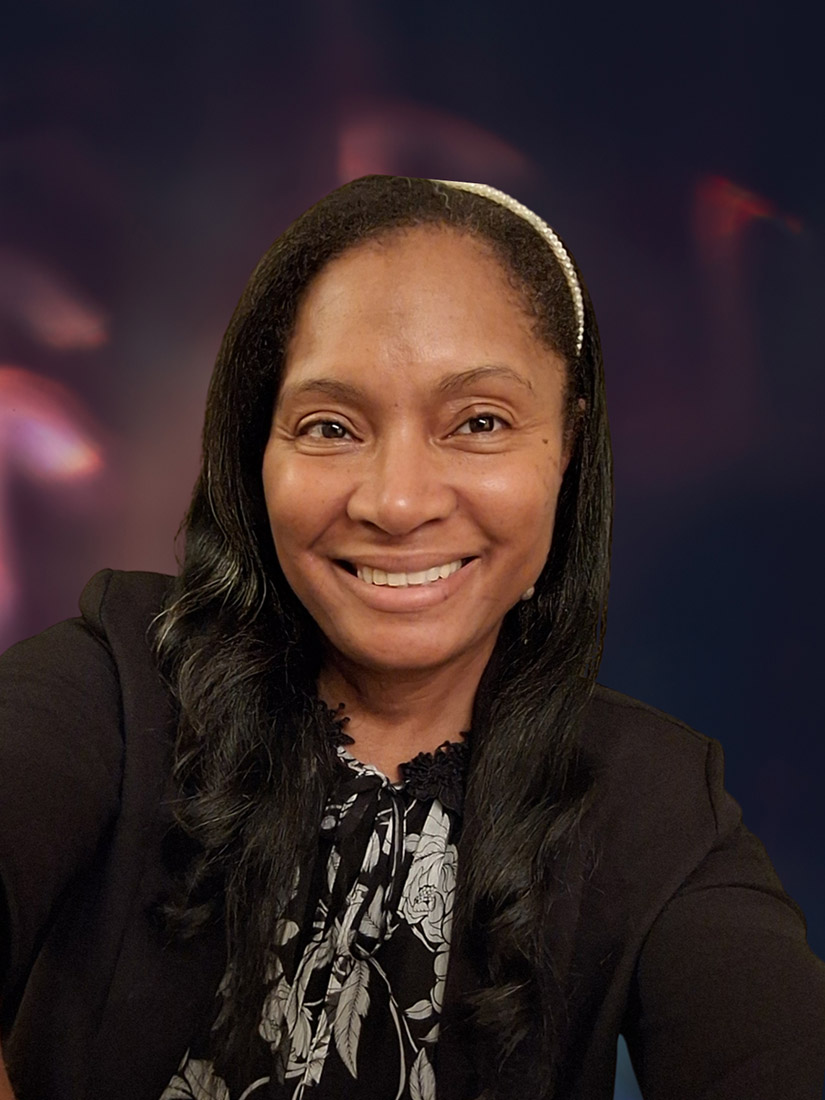 Sheila Smith serves as the General Music Specialist at Avondale Elementary School, an International Baccalaureate Primary Years Programme (IB-PYP) and Cognia STEM-certified school in the DeKalb County School District, Georgia. In addition to her classroom work, she serves as a Teacher Leader and mentor, actively supporting music educators through professional learning communities (PLCs), curriculum development, and conference trainings. Her work reflects a deep commitment to empowering both students and teachers, fostering inclusive learning environments, and advocating for the value of music education in every child’s life.
NAfME presents this live virtual event at no charge to all as a service to the music education profession. To register, you must enter your NAfME member information or create a nonmember account. After registering, check your email for instructions. A recording of this program will be available to all registrants for one week following the live event. Members can also view archived NAfME webinars in the NAfME Academy.
The views expressed are those of the presenter; they do not necessarily reflect the views of NAfME.

Related Events