
EVENTS
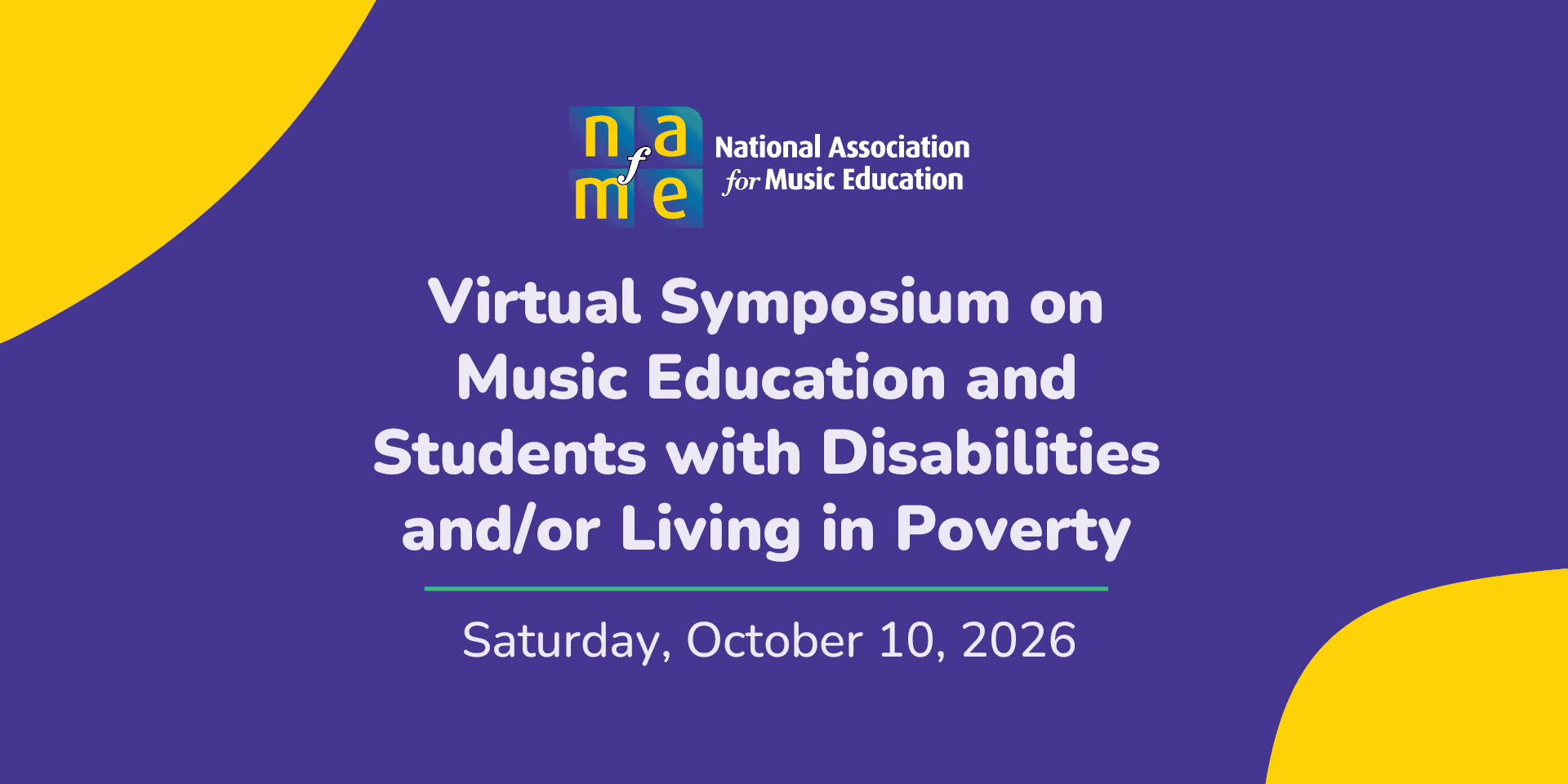
Music Education and Students with Disabilities and/or Those Living in Poverty: A NAfME Symposium
About the Event
Where is the field of music in special education and the care of students who live in poverty heading in the next 10 years? How can we prepare to be the best teachers possible for our students? What enduring questions remain, and how will we fulfill the promises of an education based in equity and care for all students? As we finish our time together during this virtual symposium, we will also ask each Zoom group to share their questions and responses to provide closure for our day. Register today.
Organized by Alice Hammel and Joseph Abramo. Additional presenters include Eric Bottorff, Mara Culp, Ellary Draper, Kevin Droe, and Bryan Nichols.
There is no fee to attend this event; however, space is limited, and all attendees must register in advance. A certificate of completion will be sent to all attendees based on time online during the symposium.
Recordings will be available to registrants for one week following the symposium, at which time they will be moved to the NAfME Academy, which is free for NAfME members (requires a subscription).
Schedule and Speakers
11:00 AM
Welcome and Introduction
Joseph Abramo and Alice Hammel
11:10–11:45 AM
Access Adds Up: How Cumulative Music Experiences Shape Lifelong Outcomes – Bryan E. Nichols (Associate Professor, Penn State University)
This session examines access in music education through an analysis of prior research demonstrating the additive effect on learning outcomes of multiple musical experiences. Attendees will be asked to consider how frameworks on poverty and music education overlook the significance of local, community-based, and faith-based musical practices that play a critical role in many students’ musical lives. Using data that foreground cumulative experiences in music across childhood and adolescence, access will be presented not as a single event but an additive process that shapes lifelong musical engagement. Findings illuminate how layered opportunities—and the absence of them—produce unequal outcomes over time. The session offers evidence to inform equity-centered research, classroom practice, and policy conversations aimed at expanding and sustaining access to meaningful music learning opportunities.
11:55 AM–12:30 PM
Expanding Access Through Popular Music: Reaching Students Beyond Traditional Ensembles – Kevin Droe (Associate Professor, University of Northern Iowa)
Many students remain outside of school music programs due to barriers such as cost, prior experience requirements, and limited entry points. This session explores how popular music approaches, including modern band, songwriting, and music technology, can expand access for students with disabilities and those living in poverty. Participants will see real classroom examples and practical strategies for creating inclusive, engaging music experiences that meet students where they are. The session emphasizes how small shifts in structure and pedagogy can lead to meaningful increases in participation and connection.
12:40–1:15 PM
Peer Assisted Learning Strategies in Music Classrooms: Supporting Students with Disabilities and Those Who Live in Poverty – Ellary Draper (Associate Professor, University of Alabama)
Children engage in positive reciprocal interactions starting around the age of two. From the work of developmental psychologists (e.g., Tomasello, 1999) we know that the inclination to teach others is a distinctly human characteristic and is present from an early age. Researchers have shown that face-to-face interactions can reduce prejudice and increase positive attitudes of children toward each other (e.g., Jellison & Taylor, 2007). Structuring social interactions in classrooms intentionally has been utilized and studied in education for many years, including after the passing of Brown v Board of Education to increase interactions between students of different races. Additionally, researchers have demonstrated that peer assisted learning strategies can be successfully implemented in music classrooms with students with disabilities (e.g., Draper et al., 2019; VanWeelden et al., 2017). This session will include video examples of peer assisted learning in music classrooms and how to incorporate peer assisted learning strategies in a variety of music classrooms.
1:25–2:00 PM
Using Assistive Technology to Support Communication and Engagement in Music Classrooms – Mara E. Culp (Associate Professor, Eastman School of Music)
Recognizing the importance of interprofessional collaboration, this session provides suggestions for using assistive technology, including augmentative and alternative communication (AAC), to support communication and engagement in music classrooms.
2:10–2:44 PM
The Right Place and the Right Time: Making Music in the Self-Contained Classroom – P. Eric Bottorff (K-4 General Music Teacher, Livonia Public Schools, Michigan)
When students are in a self-contained class, it is because it has been determined that this is their least restrictive environment for learning, either temporarily or long-term. How do we align our teaching to this setting? This session will focus upon turning theory into practice in the self-contained music classroom. Learn to build successful processes and routines to guide student learning and make music the favorite place in the school. This session provides field-tested strategies to help you build essential musical skills with your students, prioritizing foundational skill development through consistent and appropriate lesson structures. Examples will be shared from K-4 multi-categorical special education classrooms.
2:55–3:30 PM
Teaching Students Who Are Intellectually Gifted, Twice-Exceptional, and/or Live in Poverty – Alice Hammel and Joseph Abramo
Students who are intellectually gifted, twice exceptional, or live in poverty are some of the most at-risk students in our K – 12 schools today. The level of understanding, the strategies for use, and the extent to which students are socially, academically, and emotionally included in our music classrooms are of great importance. The information in this presentation has been created to discuss new pathways for communicating and collaborating with students, other teachers, and caregivers.
3:30–3:50 PM
Break Out Rooms with facilitators
3:50–4:00 PM
Wrap-up of the day and implications for the future
About the Speakers
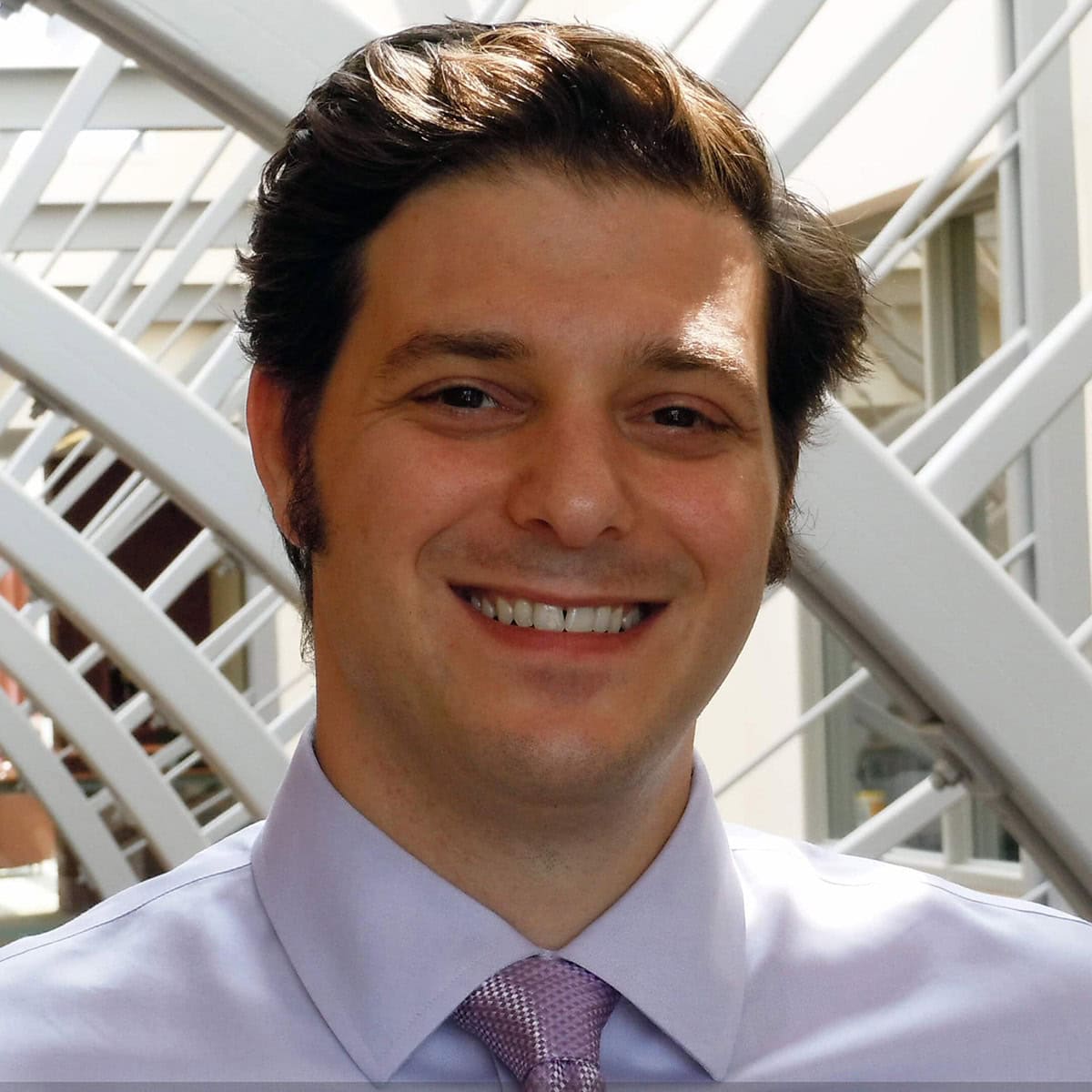 Joseph Abramo is Associate Professor of Music Education in the Neag School of Education at the University of Connecticut. He has published more than 35 peer-reviewed articles, book chapters, and books and is the co-author of the book Music Teacher Evaluation: A Guide for Teachers in the U.S. published by Oxford University Press. He has also presented at various international, national, and regional conferences. Dr. Abramo currently serves on the National Association for Music Education (NAfME) Equity Committee and is co-chair of the Connecticut Music Educators Association (CMEA) Equity and Advocacy Committee. He served on the State Education Department’s Arts Leadership Team and as a co-editor of its online, peer-reviewed journal Gender, Education, Music, Society. Dr. Abramo records electronic music under the pseudonym Lords of Sounds and Lesser Things.(opens in new tab)
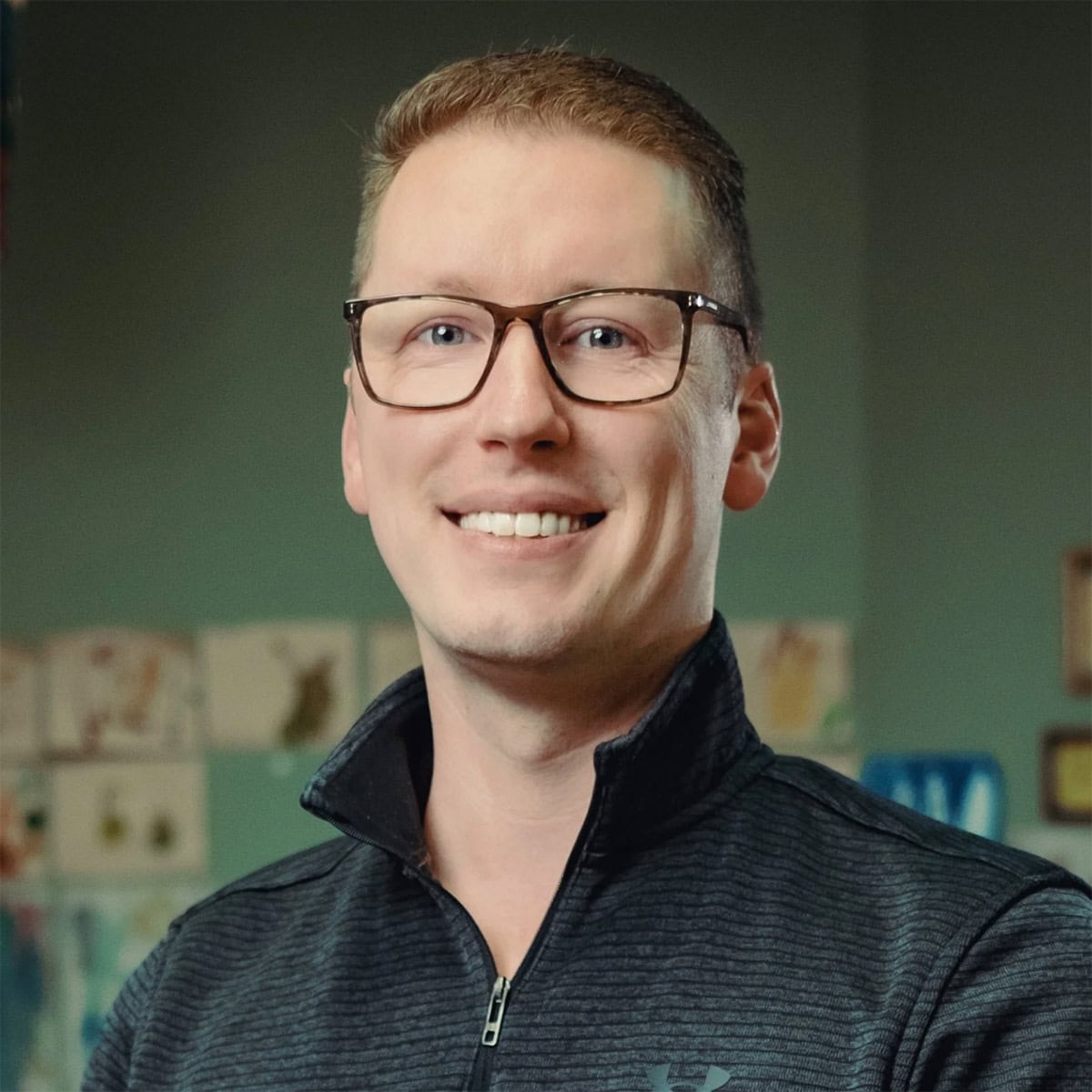 Eric Bottorff serves as a K-4 general music teacher in Livonia Public Schools, Michigan, where he acts as District Music Content Area Leader and teaches as many as 10 self-contained special education classes a week. He also serves as assistant marching band director for the Livonia Churchill High School Marching Band and is an instructor in arts integration for pre-service elementary teachers at University of Michigan Dearborn College of Education Health and Human Services. He was recognized by the University of Michigan Dearborn as a 2024 “Difference Maker” and was the 2023 Michigan Music Educator of the Year. He taught middle and high school band, orchestra, and choir in South Korea where he was also an advisory program leader. Dr. Bottorff earned his Ed.D. from University of Michigan Dearborn, and a Master of Music and a Bachelor of Music in Music Education from Eastern Michigan University.
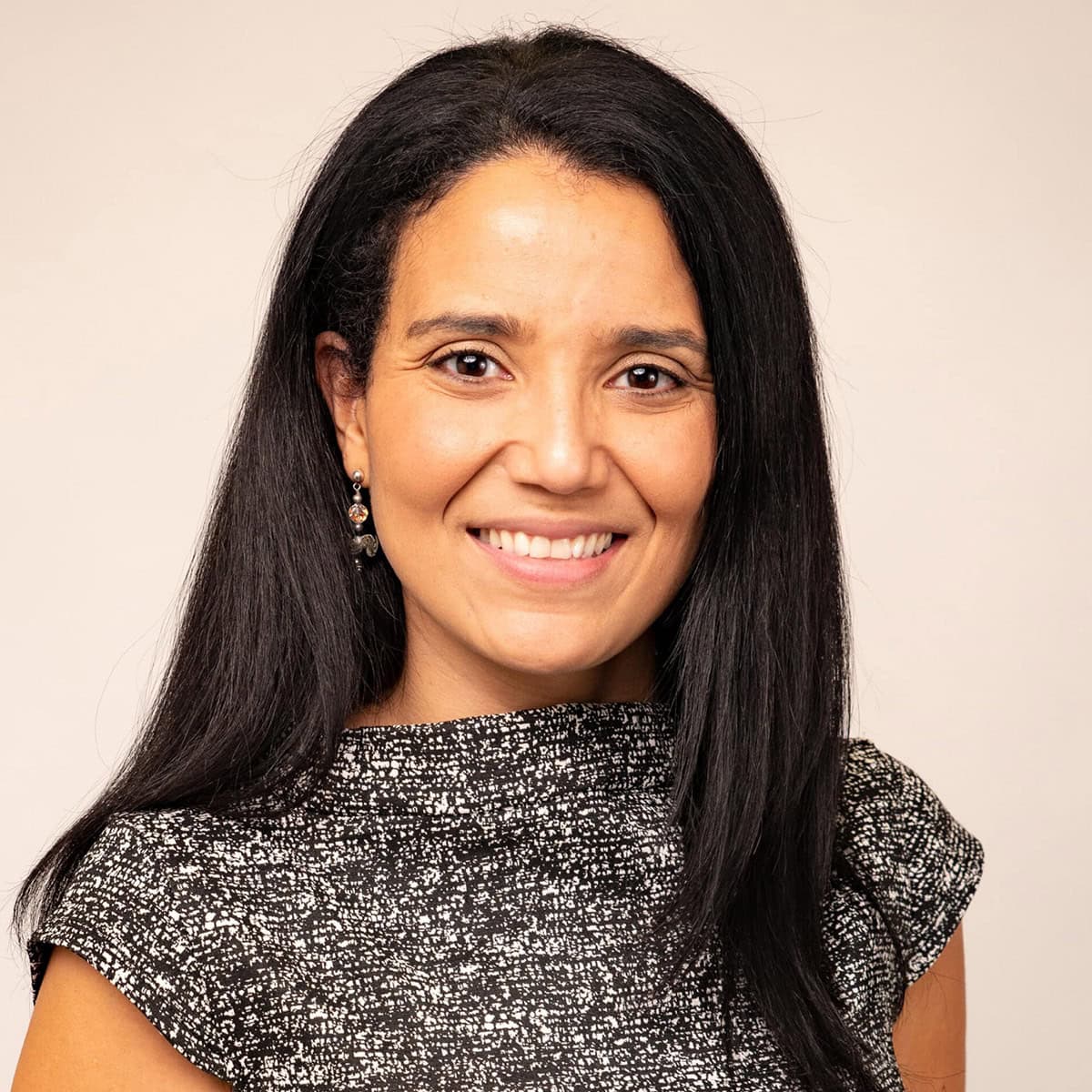 Mara E. Culp earned a Ph.D. and an M.M.E. from Penn State University and a B.M.E. from Siena Heights University. She has also completed Kodály, Orff, and Music Together® teacher training, and earned a microcredential in “Inclusive Teaching for Equitable Learning” from the Association of College and University Educators. Prior to joining Eastman’s faculty in 2017, she served as Visiting Assistant Professor of Music Education at Ithaca College. She has taught general, choral, and instrumental music and worked with or facilitated music experiences for learners of nearly all ages, from infancy through adulthood, and held a music teaching certificate (Michigan) for nearly 20 years. At Eastman, she teaches undergraduate and graduate coursework and co-coordinates an Early Childhood Music Lab(opens in new tab). She is a frequent presenter at national and international conferences and has published widely in numerous research journals. Her co-edited book, Toward Equity in School Music: Ideas for Practice in Music Teacher Education, was published in 2026.
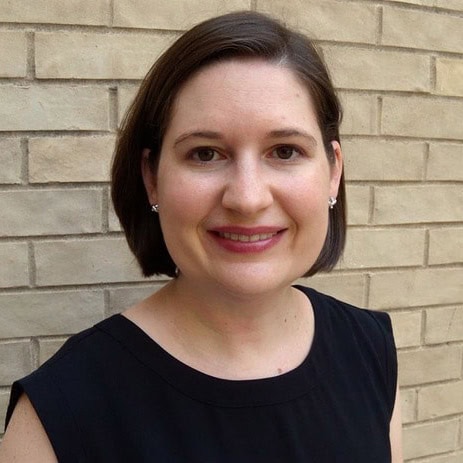 Ellary Draper is Associate Professor of Music Therapy at The University of Alabama. She holds degrees in music education from Westminster Choir College, music therapy from Florida State University, and music and human learning from The University of Texas at Austin.
She has worked as a music therapist with a variety of ages and populations and has experience as an elementary general music teacher. She serves as the Chair of Accessible Music Education for the Alabama Music Educators Association, and she served as Chair of the Board of Directors for the Certification Board for Music Therapists. A regular presenter at national and regional music conferences, her research is published in the Journal of Music Therapy, Journal of Research in Music Education, Music Educators Journal, UPDATE: Applications of Research in Music Education, General Music Today, imagine, and Ala Breve.
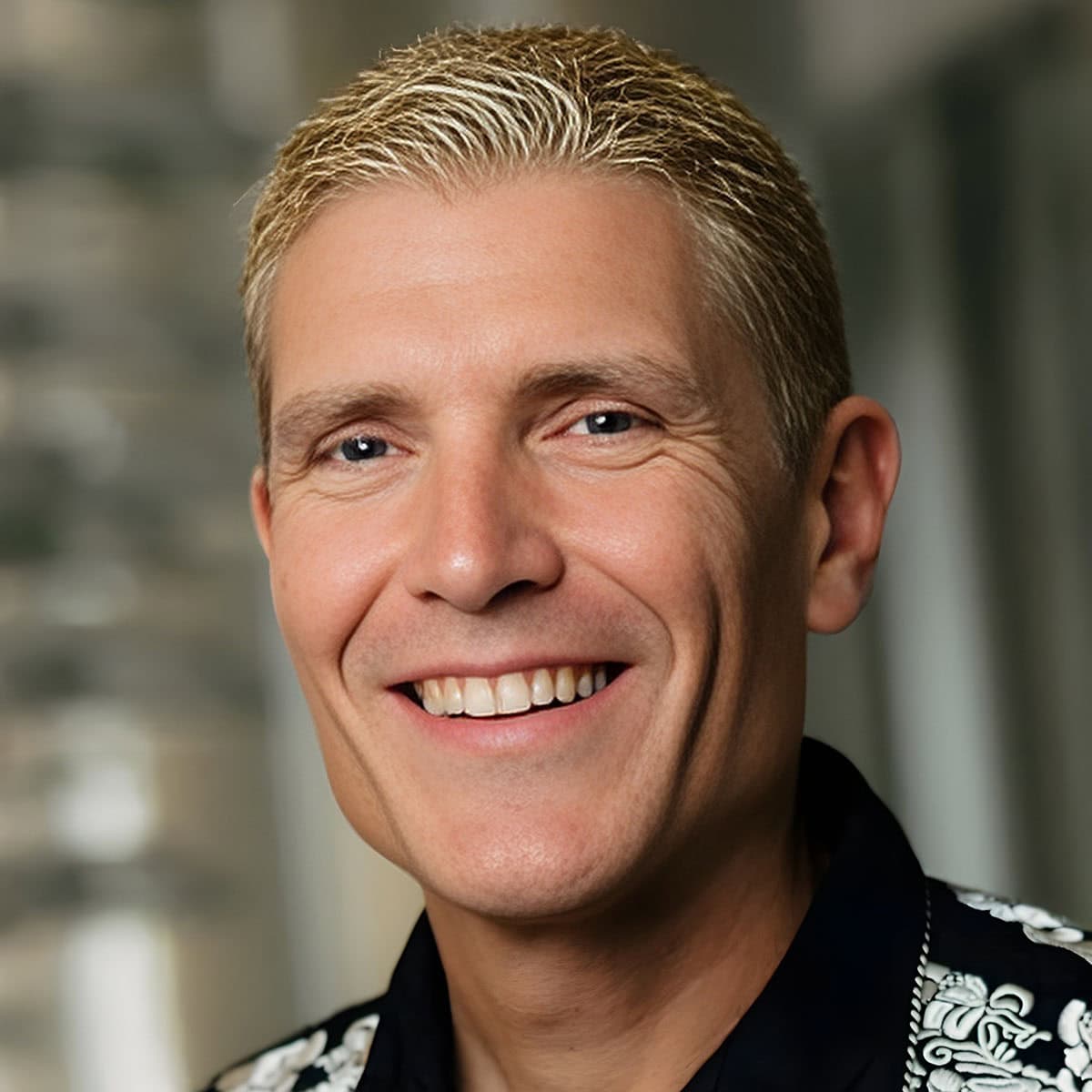 Kevin Droe, Ph.D., is an Associate Professor of Music Education at the University of Northern Iowa. He specializes in teaching undergraduate and graduate music education. Alongside his teaching and research responsibilities, he is the founder of the UNI Spectrum Project. This initiative offers children with differing abilities a weekend of music, movement, drama, and art activities. His research focuses on special populations, innovative music education, and popular music. In 2018, Kevin established AmpCamp, an annual summer popular music youth camp. In 2022, he launched Spectrum JamFest, an annual youth music festival. Kevin Droe teaches workshops in audio, modern band and popular music education throughout Iowa. When not teaching and researching, he is the drummer for Corn Riot, a punk metal band made up of faculty and staff of the UNI School of Music. He holds degrees from the University of Northern Colorado and a Ph.D. in music education from The Florida State University.
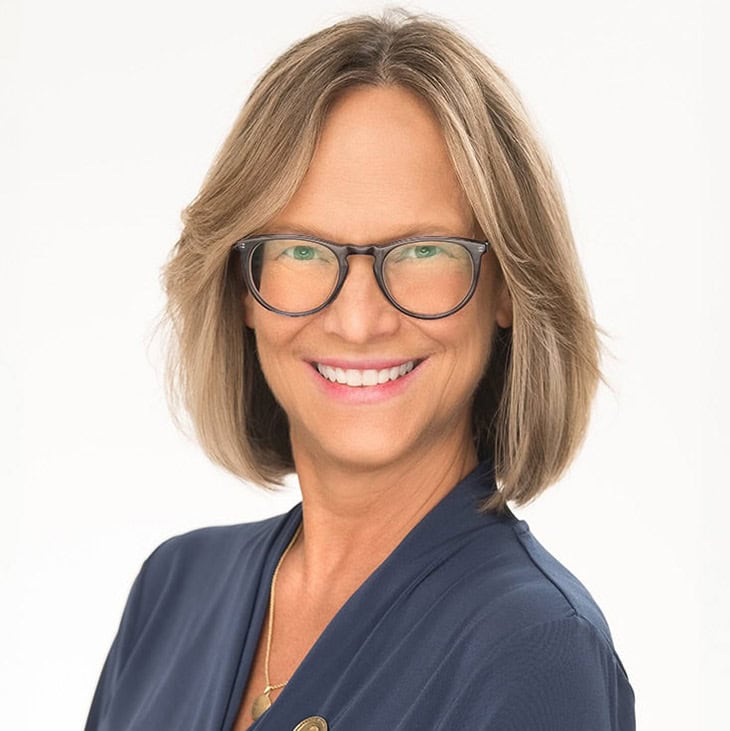 Grammy Award nominated educator Alice Hammel was the 2023 NAfME Lowell Mason Fellow, Virginia MEA Outstanding Educator (2018), and is a Past President of VMEA. She is a Disabilities Specialist and has many years of experience teaching instrumental and choral music in public and private schools. She is a co-author for many texts: Q&A for Band Directors, Teaching Music to Students with Differences and Disabilities (A Label-Free Approach and a Practical Resource), Teaching Music to Students with Autism, Winding It Back, and Universal Design for Learning in Music Education. She is Past President of the Council for Exceptional Children’s Division of Visual and Performing Arts Education and was awarded their Past President Award for Excellence. She has served NAfME as a member of the National Executive Board, the Equity Committee, and the Music Teacher Profession Initiative. She is a proponent of Music Will and the Modern Band movement.
 Bryan Nichols is a choral conductor who taught middle and high school for six year in Kentucky, where he was active as a volunteer for the Kentucky MEA and American Choral Directors Association. Ensembles under his direction have commissioned five works and have given joint performances with ensembles from the Indianapolis Children’s Chorus and the Minnesota Boychoir. Prior to joining the faculty at Penn State in 2018, he taught for five years at the University of Akron in Ohio. He has been published in many research journals and serves on the advisory/editorial boards for the Music Educators Journal, UPDATE, and the International Journal of Research in Choral Singing. He is the Program Chair for the Symposium for Research in Choral Singing and is the editor for the Research Report column of the Choral Journal. He has presented at both national and international conferences.

Related Events