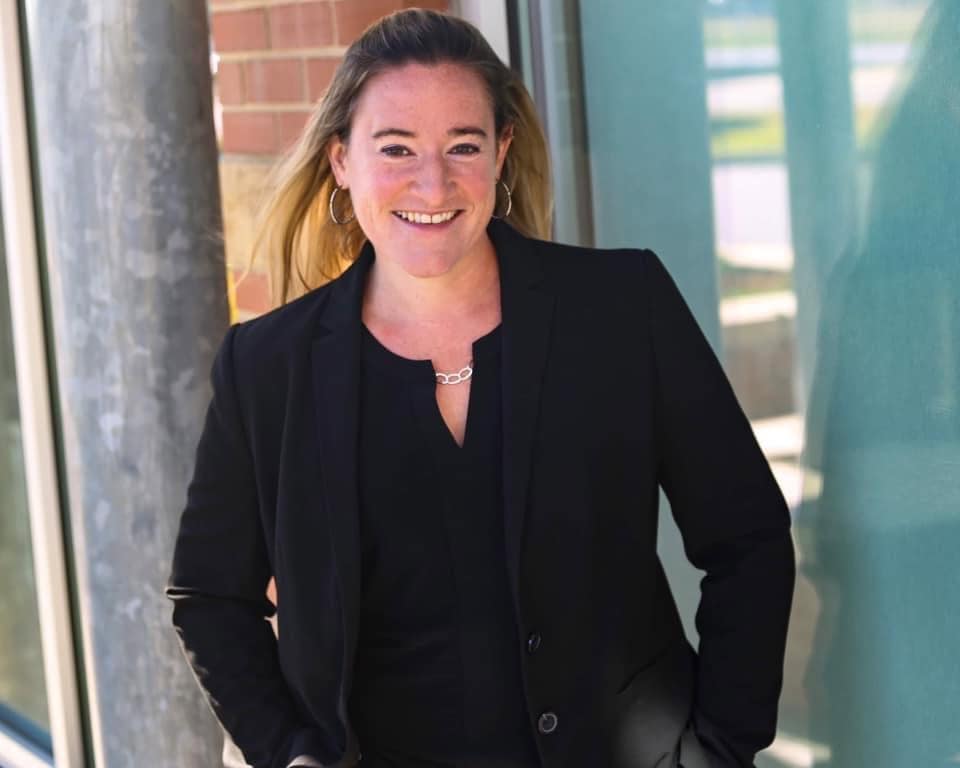
Heather Cote’s Biography


What do you see as the major challenges music education will face during your term and in what ways can you transform these into opportunities during your presidency?

One of the most significant challenges facing our profession today is the recruitment and retention of quality music educators. We must break down the barriers preventing students from pursuing music education degrees and those that discourage preservice teachers from entering or staying in the classroom. Future educators need meaningful teacher-preparation experiences that are both rigorous and financially sustainable. At the same time, we must confront issues of retention and attrition, particularly among teachers of color, by addressing systemic inequities and strengthening pathways into the profession. In addition, we need to critically evaluate state licensure exams to ensure they authentically measure the competencies and understandings that preservice teachers require for success in today’s classrooms. 

As an educator who works across both PreK–12 and higher education, I believe strongly in building intentional connections between classroom teachers and the collegiate community. This relationship is essential to developing the next generation of music educators. We must continue to facilitate opportunities for collaboration, mentorship, and open dialogue—recognizing that we are all part of the same professional pipeline. 

Teacher burnout also poses a serious threat to the sustainability of our programs. In an era when educators are stretched thin, music teachers often face additional challenges: large numbers of students, demanding performance schedules, and limited administrative understanding or support. These pressures contribute to burnout, which in turn fuels the teacher shortage and compounds the workload for those who remain. Addressing burnout through systemic support, realistic expectations, and intentional self-care is critical to retaining skilled, passionate educators and maintaining thriving programs. 

We must also continue to educate and advocate with administrators about the value of music education. Despite extensive research demonstrating its cognitive, social, and emotional benefits, music is still too often viewed as expendable. Sustained advocacy is essential to shift this perception. By partnering with school leaders, sharing research-based evidence, and showcasing the measurable impact of music on student learning and well-being, we can strengthen administrative and community support for our programs. 

Finally, navigating ongoing policy and funding challenges remains vital to the future of music education. With competing priorities and limited budgets, we must continue to engage policymakers and advocate for legislation that ensures equitable funding and access for all students. 

By addressing these challenges collaboratively—through advocacy, connection, and shared purpose—we can ensure that every student has access to high-quality music education, and that every teacher feels supported, valued, and inspired to remain in this incredible profession. 

What do you see as the major challenges the association will face during your term and in what ways can you transform these into opportunities during your presidency?

I believe that one of the greatest challenges our association will face is ensuring that members know who we are, what we do, and how we can serve them.  We need to help educators rediscover why NAfME and their state associations matter. By highlighting the tangible ways we support their daily work, through advocacy, professional growth, community, and access to resources, we can strengthen our connection with members and reaffirm the value of belonging to this professional family. 

In addition, continued investment in high-quality, accessible professional learning is essential. Music educators deserve experiences that are relevant, inclusive, and inspiring—created by and for music teachers. The Eastern Division has a proud tradition of providing exceptional professional learning through the Eastern Division Conference. Yet, we must also recognize that access remains a challenge. Not all districts can fund travel or provide release time for teachers to attend in person. 

As a division, we have the opportunity to reimagine how we deliver these experiences. By exploring cost-effective models, hybrid and virtual options, and stronger partnerships with state MEAs, we can ensure that every music educator—regardless of location or circumstance—has equitable access to meaningful professional growth. Making professional learning more attainable will not only strengthen our programs but also deepen members’ connection to NAfME and their state associations. 

How do you plan to advance equity/DEIA in NAfME during your term of office?

 I am deeply committed to advancing equity, diversity, inclusion, and access within our organization. This commitment means ensuring that music education remains relevant, engaging, and responsive to all students. By embracing diverse perspectives, cultures, and musical traditions, we can cultivate curricula and programs that truly reflect the communities we serve and affirm every student’s place in music. 

Equally important is diversifying our profession and leadership so that it mirrors the richness of our teaching community. This involves actively recruiting and supporting music educators from underrepresented backgrounds and creating clear pathways for professional growth and leadership development. During my tenure as state president, this work was a central priority. I continually asked: Are all voices being welcomed to the table? Do our members feel included, represented, and empowered? What outreach are we doing to invite and sustain participation at every level—state, regional, and national? 

By fostering a more inclusive and representative community within NAfME, we strengthen our ability to serve members and advocate for equity and accessibility in music education more broadly. I am committed to cultivating a region where every voice is valued, every perspective respected, and every educator feels a sense of belonging. Through intentional DEIA work, we can build a vibrant, inclusive, and sustainable future for music education. 


Equity Statement 

I believe that if we truly want our organization to achieve greatness, we must embrace every voice, every background, and every perspective that our members bring to the table. Greatness comes from the collective strength of our diversity; of geography, culture, experience, and identity. Our division must reflect the full range of our membership, from urban to rural communities, from small schools to large districts. Every member should feel seen, valued, and essential to our shared mission. Our association is for everyone. 

Music is for everyone. We must continue to promote and support initiatives that advance diverse representation among students, educators, curricula, festivals, and leadership. We have a responsibility to advocate for culturally relevant and inclusive musical experiences that both reflect and resonate with our members and students. This means championing equitable policies and practices that allocate resources fairly, dismantle systemic barriers, and expand access to quality music education for all. 

Music education must honor and celebrate the richness of human experience. It should offer students opportunities to explore diverse musical traditions, connect across cultures, and share their personal and family stories through music. These experiences nurture identity, empathy, and belonging. At the same time, our programs should continue to sustain strong traditional ensembles while also creating new pathways that reflect how today’s students experience and engage with music in their daily lives. 

We must be intentional and persistent in dismantling the barriers that limit access and perpetuate exclusivity. Under my leadership in Massachusetts, we established the MMEA DEIA Committee, which has since evolved into a network of subcommittees examining every facet of our organization; from festivals and auditions to professional development. This transparency has led to broader participation and more voices at the table, many of whom had not been represented before. Through our MMEA Feasibility Group, we have made some of the most progressive strides in our organization’s history; we developed a three-year plan to make All-State festivals more equitable and to create new ensemble opportunities alongside BCOJ groups. As a result of this work, this year MMEA is unveiling 4 new ensembles at the All-State level and it is really exciting to see this work finally come to fruition. 

I believe deeply that music is where everyone should feel they belong. I am committed to working with the collective voices of our state MEAs to advance meaningful, sustainable change. By prioritizing diversity, equity, inclusion, and belonging, we can build a vibrant, inclusive, and forward-thinking music education landscape; one that empowers every teacher and every student to discover, express, and thrive through music.


Leadership Statement 

My leadership philosophy is grounded in three core principles: collaboration, communication, and inspiration. These values guide my work as a district, state, and national leader, as well as my daily practice as an educator and musician. 

I believe that leadership is not about power—it is about vision and collaboration. True leadership brings people together around a shared purpose and empowers them to contribute meaningfully to collective goals. For the past 15 years, I have served as Director of Performing Arts in my district, and through MMEA, I have been privileged to serve as both Eastern District Chair and State President. At the national level, I have led as the Council Chair for the NAfME Music Program Leaders Council. In every one of these roles, I have learned that strong leadership begins with building a community of trust and shared purpose. When I was first approached to run for MMEA President, I hesitated—unsure of the scope of support available for such a significant role. The sitting president reassured me that this work is never done alone—that it is a collaborative effort grounded in shared leadership. That has proven true in every capacity I’ve served. Effective leaders must unite people around a vision, foster confidence, and then work as a team to bring that vision to life. 

Equally important, leadership is about inspiring others. Exemplary leaders radiate energy, passion, and purpose—motivating others to join them in pursuit of something greater. My goal as a leader is to guide with integrity, to work with joy and dedication, and to serve with humility and purpose. I hope that through my energy and example, others are inspired to participate, contribute, and lead. 

These same principles shape who I am as a teacher. In my 23 years as a band director, I strive every day to be the kind of leader I hope my students will become. My classroom is a place where leadership is shared and student independence is celebrated. Whether assigning section leaders, guiding students through self-led rehearsals, or teaching them to conduct from the podium, I empower my students to take ownership of their music-making. This philosophy mirrors the collaborative and student-centered leadership I practice at the district and state levels. It is what first drew me to department leadership and what drives my ongoing commitment to serve as a voice for students and teachers alike. 

At the heart of my teaching and leadership is relationship-building. I begin each year with a clear vision, work intentionally to communicate and connect with my students, and nurture a rehearsal community rooted in mutual respect, creativity, and collaboration. I aim to inspire through musicianship and passion, helping students experience the transformative joy of making music together. 

As I seek the opportunity to serve as Eastern Division President, I bring with me this same commitment to collaboration, vision, and inspiration. I am eager to continue fostering connections among teachers and students, ensuring that every member of our community feels seen, valued, and empowered to grow. 

Virtual Symposium on Music Education and Students with Disabilities and/or Living in Poverty. Saturday, November 15, 2025. A free, virtual event for music educators
From Budget to Brilliance: Building Strong Music Programs. 2026 NAfME Music Program Leaders Forum. January 29-30, 2026. Phoenix-Mesa, Arizona. Image of Delta Hotels Marriott. Logos for NAfME Council of Music Program Leaders and Arizona Annual State Music Education Conference theme Teaching with Passion, Leading with Purpose