Candidate for Division President-Elect
Rachel Lake
- Northwest Division
- NAfME
/ About / Person / Rachel Lake
Biography
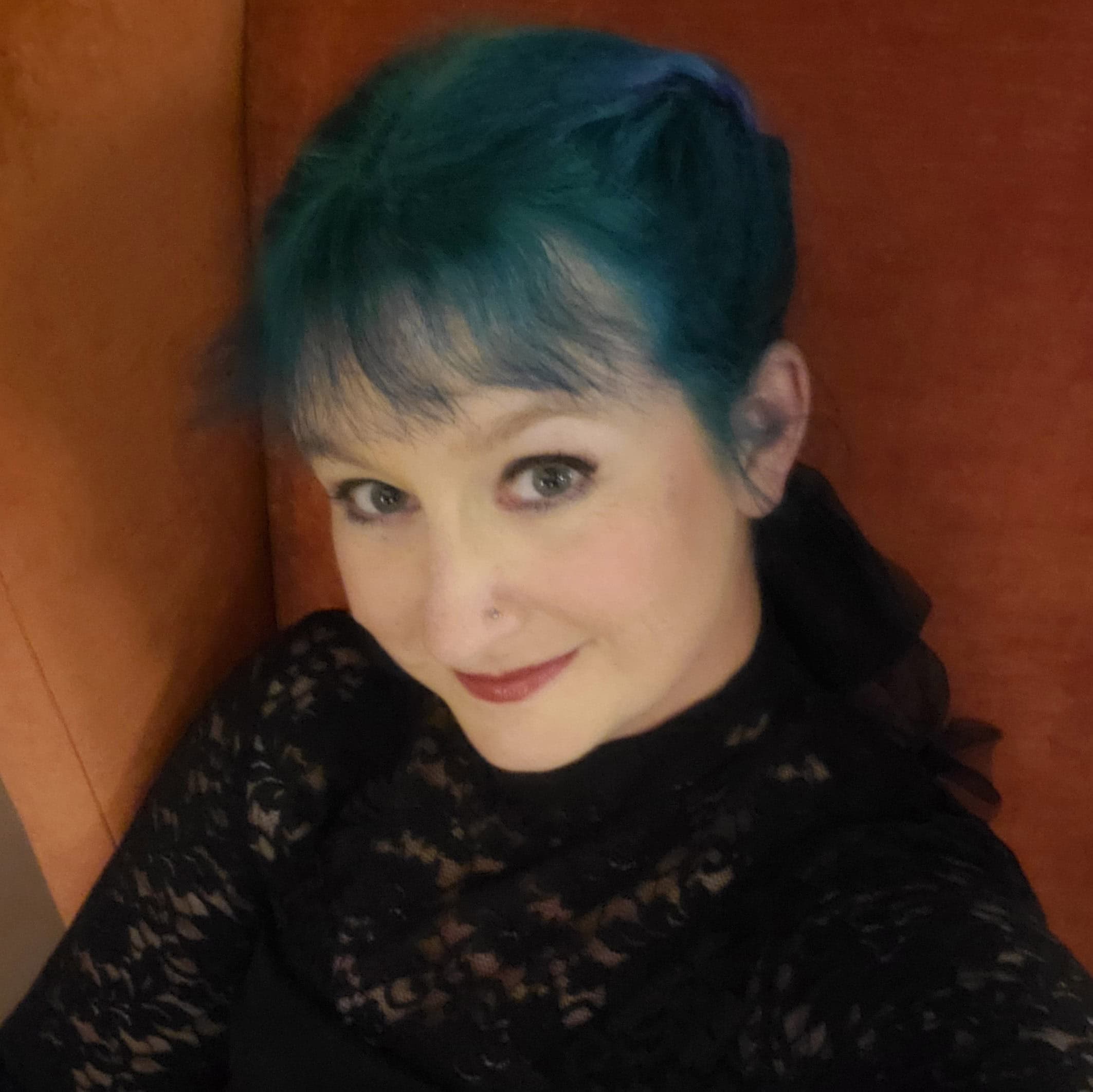
Rachel Lake is a passionate and community-driven music educator who believes deeply in the power of music to transform students’ lives, especially in small and rural schools. Now in her 21st year of teaching, Rachel has built her career around creating opportunities where they don’t always naturally exist, ensuring that every student has access to meaningful, high-quality music education.
Rachel currently teaches in Ilwaco, Washington, where she leads a wide-ranging program spanning beginning band through advanced ensembles, as well as mariachi, jazz, choir, and contemporary music. Her work is rooted in connection: building not just strong musicians, but confident, engaged young people who see themselves as part of something bigger.
Before coming to Ilwaco, Rachel taught in both Tacoma and Bellevue, experiences that shaped her understanding of how to adapt and advocate for music programs across very different communities. That perspective continues to guide her work today.
A dedicated leader at the state and regional level, Rachel serves as the Small School Curriculum Officer for the Washington Music Educators Association (WMEA), is on the board of the Washington Mariachi Educators group and represents Washington as the state liaison for the Rural Band Directors Alliance. Through these roles, she is a strong advocate for equitable access, mentorship, and visibility for small school programs.
Rachel has been invited to serve as a guest conductor and clinician for middle and high school bands across Washington, in addition to her work as an adjudicator and presenter. Her students have performed at major events, including a landmark appearance at a national mariachi competition in San Antonio, Texas: an experience that reflects her commitment to expanding horizons for rural students.
She holds a Master of Music Education from Central Washington University and a Bachelor of Arts in Music Education from Northwest University. Her graduate work focused on increasing participation in rural schools in large ensemble festivals, a mission that continues to shape her leadership.
Above all, Rachel is driven by relationships: supporting students, collaborating with colleagues, and strengthening the music education community across the Northwest. Her work reflects a belief that no program is too small to be excellent, and no student’s potential should be limited by geography.
Responses to Questions
- What do you see as the major challenges music education will face during your term and in what ways can you transform these into opportunities during your presidency?
One of the most pressing challenges music education will face during my term is the continued impact of budget cuts, particularly in small and rural districts. Too often, music and arts programs are among the first to be reduced or eliminated, despite the profound impact they have on students’ academic success, mental health, and sense of belonging. At the same time, we are seeing increasing demands on educators’ time and energy, making sustainability and retention critical concerns.
I believe this challenge presents a powerful opportunity for advocacy and visibility. As president, I would prioritize amplifying the value of music education through clear, research-based messaging that resonates with administrators, school boards, and communities. This includes highlighting research from organizations like the World Health Organization that connects arts participation to brain health, emotional well-being, and overall student development.
In addition, I would work to elevate the voices and successes of educators across the Northwest—especially those in small and rural programs, so that decision-makers can see what is possible when music education is supported. By building stronger networks, sharing resources, and providing practical advocacy tools, we can empower educators to tell their stories effectively.
Ultimately, I see this moment not just as a challenge, but as an opportunity to reframe music education as essential, not optional, and to ensure that every student, regardless of location or circumstance, has access to a thriving and meaningful music program.
- What do you see as the major challenges the association will face during your term and in what ways can you transform these into opportunities during your presidency?
One of the key challenges the association will face during my term is navigating differences in vision and priorities across state and regional levels. In a diverse region like the Northwest, educators bring a wide range of experiences, school contexts, and needs to the table. Ensuring that all voices are heard and meaningfully considered at the Northwest level is essential to the health and relevance of our organization.
I see this challenge as an opportunity to strengthen communication, trust, and shared purpose within the association. As president, I would prioritize creating intentional spaces for dialogue where educators from all states, and especially those from small and rural programs, feel represented in decision-making processes.
Rather than assuming a single approach fits all contexts, I believe our strength comes from listening first, then building a shared vision that reflects the diversity of our membership. This includes making sure that ideas from every corner of the Northwest are not only welcomed but also actively included in shaping initiatives, professional development, and advocacy efforts.
By centering collaboration and transparency, we can transform differing perspectives into a stronger, more unified vision for music education in our region, one that truly reflects and serves all educators and students.
- How do you plan to advance equity/DEIA in NAfME during your term of office?
During my term, I plan to advance equity, diversity, inclusion, and access within NAfME by expanding and normalizing the representation of world music and non-traditional ensembles in both curriculum and performance opportunities.
Equity in music education means ensuring that all students see themselves reflected in the music they study and perform. One meaningful way to do this is by broadening the definition of what “counts” as an ensemble or a performance tradition. By elevating world music practices and non-traditional ensembles, such as mariachi, steel pan, modern popular ensembles, and other culturally rooted performance traditions, we create space for more students to connect authentically with music education.
In my own teaching, I have seen how students engage more deeply when they can explore music that reflects both their identities and the global community around them. I would advocate for increased professional development opportunities that equip educators to teach world music responsibly and authentically, as well as encourage programming at festivals, conferences, and honors ensembles that reflect a wider range of musical traditions.
Additionally, I would work to support educators in small and rural schools by providing accessible resources and models for implementing diverse ensembles, even with limited staffing or instrumentation. Equity must include access—not just to participation, but to the tools and training needed to expand offerings in meaningful ways.
Ultimately, advancing DEIA is not about replacing traditional ensembles but about expanding the landscape of music education so that every student can find a place within it. By embracing global and non-traditional music-making, NAfME can more fully reflect the diversity of our students and the world they live in.
Equity Statement
As an educator deeply committed to fostering inclusivity and access in music education, I am running for Northwest NAfME president with a vision to advance equity, diversity, inclusion, and accessibility (DEIA) across our region. My work in Ilwaco, Washington, and in both rural and larger school districts has been grounded in the belief that all students—regardless of geography, language, or socioeconomic status—deserve access to high-quality music education that reflects and values their lived experiences and cultures.
Throughout my career, I have witnessed the transformative power of music for underrepresented and underserved students. I have worked to ensure that English language learners, students from marginalized communities, and those in small or rural programs feel seen, valued, and empowered through ensembles such as mariachi, modern band, percussion, and other culturally responsive music experiences. These opportunities not only build musicianship but also foster identity, confidence, and belonging.
As Northwest NAfME president, I will advocate for equity that reflects the full diversity of our region, from urban centers to the most remote rural communities. I will prioritize expanding access to diverse musical traditions, including world music and non-traditional ensembles, and support educators in implementing these programs in meaningful and authentic ways.
I am also committed to strengthening professional development opportunities that equip educators to build culturally responsive and inclusive classrooms. This includes providing practical resources, mentorship, and models that help teachers of all experience levels and school sizes successfully reach every student they serve.
Equity in music education is not a single initiative; it is a commitment to ensure that every student has the opportunity to see themselves in the music they make and the communities they build through it. By embracing a broader definition of music education, we can better serve the diverse students and educators across the Northwest.
If elected Northwest NAfME president, I will work to ensure that every voice is heard, every community is represented, and every student has access to the transformative power of music education. Together, we can build a region where music is not only taught, but lived by all students, in all schools.
Leadership Statement
As an educator, I have always believed that true leadership is rooted in service. Throughout my career, I have embraced a servant leadership model, one that prioritizes the needs, voices, and growth of students and educators above all else. I am running for Northwest NAfME president with a deep commitment to serving music educators across our region and advocating for all students, especially those from underserved, rural, and marginalized communities.
My work in Ilwaco, Washington, as well as my experience teaching in Tacoma and Bellevue, has shown me that leadership is not defined by title, but by impact. Whether building programs in small rural schools or contributing to larger districts, I have focused on creating inclusive, supportive environments where students feel seen, valued, and capable of success. Through programs such as mariachi, modern band, percussion, and other ensemble experiences, I have worked to ensure that every student, regardless of background, language, or ability, has access to music education that reflects and respects their identity.
As a servant leader, I am committed to listening first. That means actively seeking out the voices of educators across all states and school contexts in the Northwest and ensuring they are reflected in our work as an organization. Leadership, in my view, is about removing barriers, elevating others, and creating systems where educators feel supported and empowered to serve their students well.
If elected, I will approach this role with humility, collaboration, and intentional advocacy. I will work to strengthen connections across our region, support meaningful professional development, and help ensure that all educators, regardless of program size or location, feel represented and valued within Northwest NAfME.
Ultimately, leadership is not about personal recognition, but about service to a greater community. I am committed to leading in a way that strengthens relationships, uplifts educators, and expands opportunities for students. Together, we can build a Northwest music education community that is more inclusive, more connected, and more responsive to the diverse needs of those we serve.
Job Position
Music Teacher
Organization
Ilwaco High School Ocean Beach School District