NAfME BLOG
I Sing, Therefore I Am
I Sing, Therefore I Am
By NAfME Member Meagan Mayne
This article first appeared in the January 2026 issue of Teaching Music.
Education today is often driven by performance metrics and marketable outcomes. Music education is no different: Students are routinely evaluated through auditions, assessments, competitions, and concerts. In the process, it is easy to forget that singing is a profound human activity that every person can and should do. It is not just a performance skill.
Before I ever took a voice lesson or understood breath management and resonance, I sang because it felt good. I sang because it felt like being my true self. Singing allowed me to express parts of myself that I could not express in everyday speech. That desire to connect, to feel, and to express still drives my work as both a singer and a teacher.
In my studio, I regularly meet students who hesitate to call themselves singers unless they are performing. Some feel unqualified because they have never been on stage. Others are convinced they are not good enough. This mindset is not just a confidence issue; it reflects how narrowly we often define music-making in our schools and communities.
So let me say this clearly: One does not need to be on a stage to be a singer. They do not even need an audience. If one uses their voice to express something authentic to themselves, to feel something deeply, and to connect with their inner self, they are a singer.
If one uses their voice to express something authentic to themselves, to feel something deeply, and to connect with their inner self, they are a singer.
In my studio, I work with students who have never performed publicly and do not plan to. They sing in lessons, at home, in the car, and in the congregation at church. They are not chasing applause; they are chasing connection. That is more than enough.
As music educators, we often focus on preparing students for recitals, competitions, and auditions. These experiences can be deeply valuable, but they are not the only measure of musical growth. Some of the most rewarding moments happen away from the spotlight—when a student learns to match pitch for the first time or when they discover they love the sound of their own voice.
If we define so-called real singing only by performance, we risk excluding the very people who may need music the most. Our job as music educators is not just to create performers; it is to create people who use music to navigate their lives.
So why sing, if not for performance?
Singing supports the development of the whole person. It fosters self-identity, emotional expression, and mental and physical well-being. It is one of the most accessible ways a human being can explore who they are.
Singing helps us understand ourselves. Whether you are working through overwhelming grief or overflowing with joy, singing gives shape to inner experiences that often lack clear words. In a world that frequently encourages us to suppress our emotions, singing allows us to be honest in a way that is both personal and liberating. For many students, especially adolescents, singing becomes a safe space to experiment with vulnerability and authenticity.
Singing is also good for the body. Even when no one else is listening, singing can be physically and mentally restorative. A medically reviewed article on Healthline.com in November 2020 summarized recent research showing “10 Ways That Singing Benefits Your Health.” Some of the findings include lowering cortisol to relieve stress; stimulating antibodies to boost immune systems; releasing endorphins to improve mood; and seven other health benefits.
While solo singing has many benefits, group singing provides unique advantages. A team of nine Swedish researchers led by Bjorn Vickhoff published a paper in July 2013 that aimed to “illuminate and discuss how singing and especially choir singing promotes well-being.” They examine the physiological ways that group singing encourages brain and heart activity, generating empathy, emotional awareness, and social connection. When people sing together, their brainwaves and heart rates begin to align, creating a shared sense of rhythm and unity.
A 2016 Psychology of Music study by Eiluned Pearce and colleagues found that both cooperative and competitive group singing increased social bonding within and between groups. A comprehensive scoping review by Genevieve Dingle in 2021 concluded that group singing can boost mood, enhance cognitive function, strengthen identity, and promote overall well-being.
Singing is not just expressive, it is therapeutic. It brings the mind, body, and spirit into alignment in a way that few other activities can, providing us with a broader perspective through which to view student growth, encompassing not only technical progress but also personal well-being.
Students are not “ready” to sing. Yes, technique matters. Yes, performance can be a powerful and rewarding goal, but it is not the only one. Sometimes, the most meaningful musical growth happens when no one else is listening.
I am the first to tell a student when I believe they are not yet ready to perform, not to hold them back, but to protect their confidence and ensure they are truly prepared when the time comes. Excellence is essential, but performance is not proof of one’s worth as a singer. The point of singing is not to prove anything; it is to express something authentic.
Students do not have to reach a certain level of skill to earn the right to sing. They can sing because they are grieving. They can sing because they are joyful. They can sing because their bodies need it, their breath demands it, or their spirits have something to say. Singing is brave. Singing is human.
So, if your students are waiting for permission, here it is. They do not have to be perfect. They do not have to be professionals. They only need to open their mouths and sing.
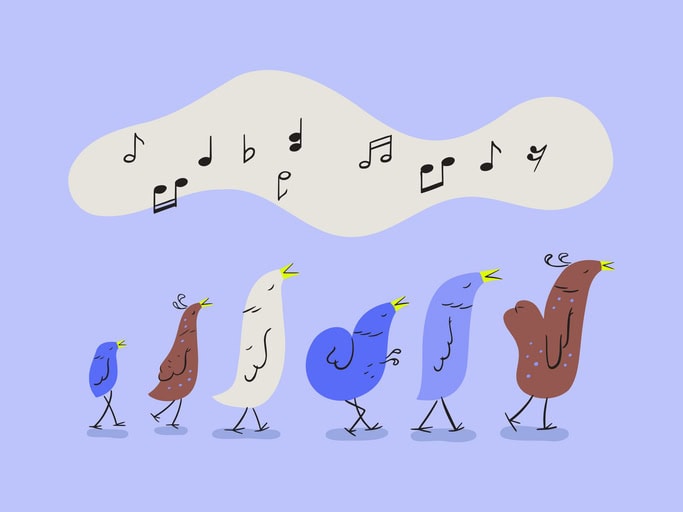
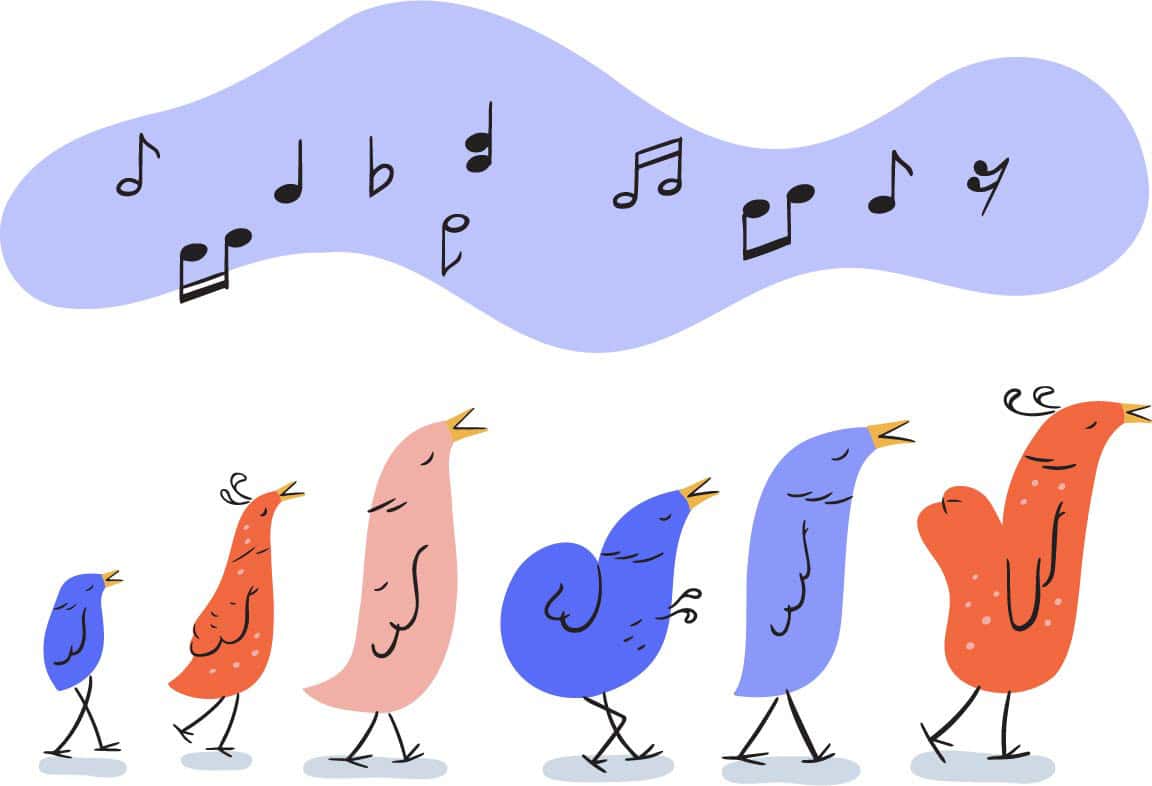
Illustration: RLT_Images / DigitalVision Vectors via Getty Images
As music educators, we have the unique opportunity to affirm that singing is for everyone, not just the most confident, the most trained, or the most visible. We can create spaces where students feel safe to use their voices long before they are ready to perform.
Let us redefine what it means to be a singer in our classrooms. Let us teach technique, yes, but also remind students that their voices are worth using here and now. Let us celebrate singing not only as performance but also as healing, identity, and expression. Because long after the concert ends, the skill that may matter most is not how high or loud a student can sing but whether they still believe their voice is worth using.
About the author:
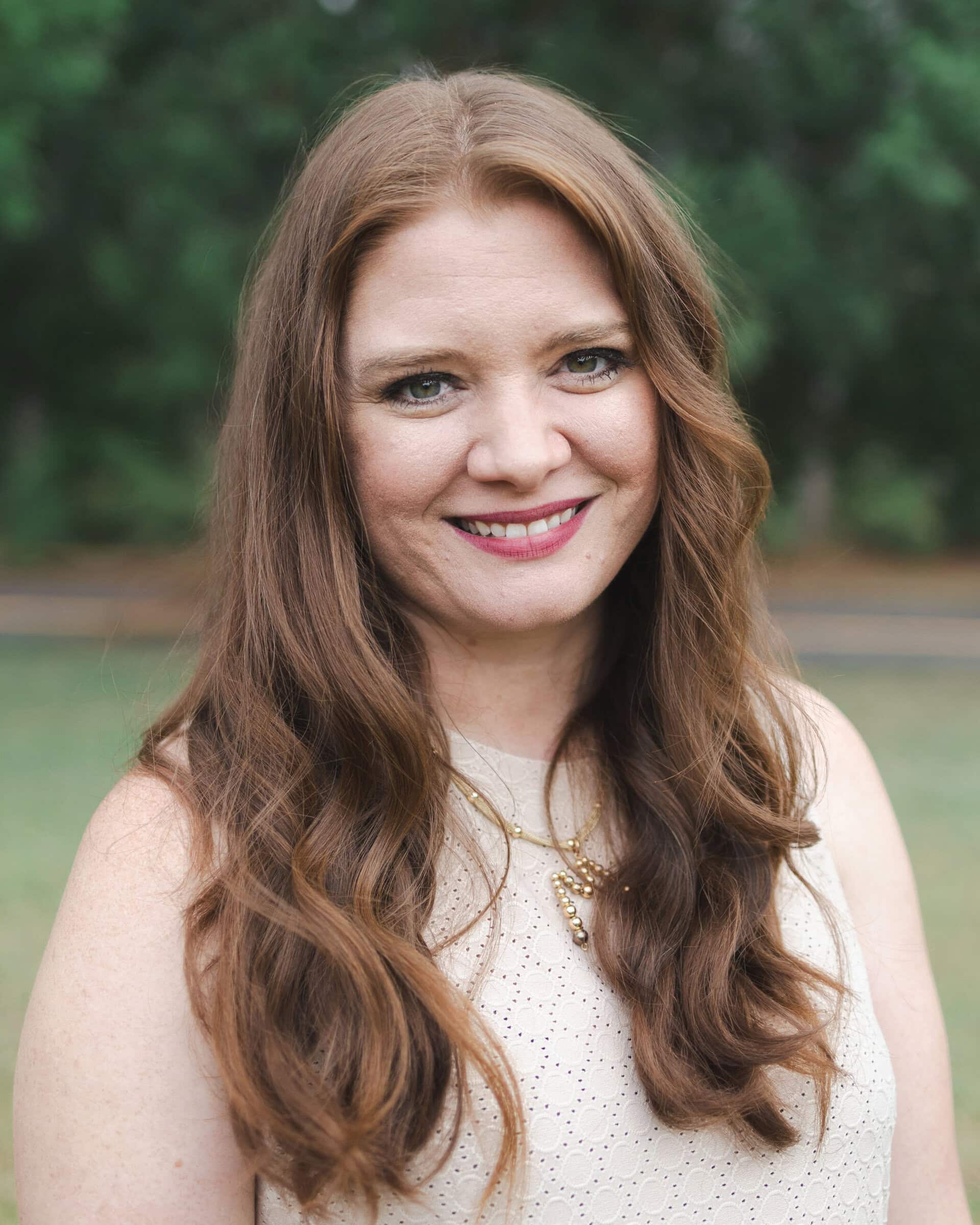 NAfME member Meagan Mayne is a classical singer, founder of Meagan Mayne Voice Studio, and an adjunct music professor at Abraham Baldwin Agricultural College in Tifton, Georgia.
Did this blog spur new ideas for your music program? Share them on Connect! Interested in reprinting this article? Please review the reprint guidelines.
The National Association for Music Education (NAfME) provides a number of forums for the sharing of information and opinion, including blogs and postings on our website, articles and columns in our magazines and journals, and postings to our Connect member portal. Unless specifically noted, the views expressed in these media do not necessarily represent the policy or views of the Association, its officers, or its employees.