NAfME BLOG
Lessons from the Virtual Music Room
Trust, Wait Time, and Relationships That Matter
By NAfME Member Dawn Firak
When people imagine an elementary music classroom, they often picture movement, laughter, instruments, and voices filling a shared space. Music teaching has traditionally been rooted in togetherness—students singing side by side, drumming in unison, learning through play, and building community through shared sound.
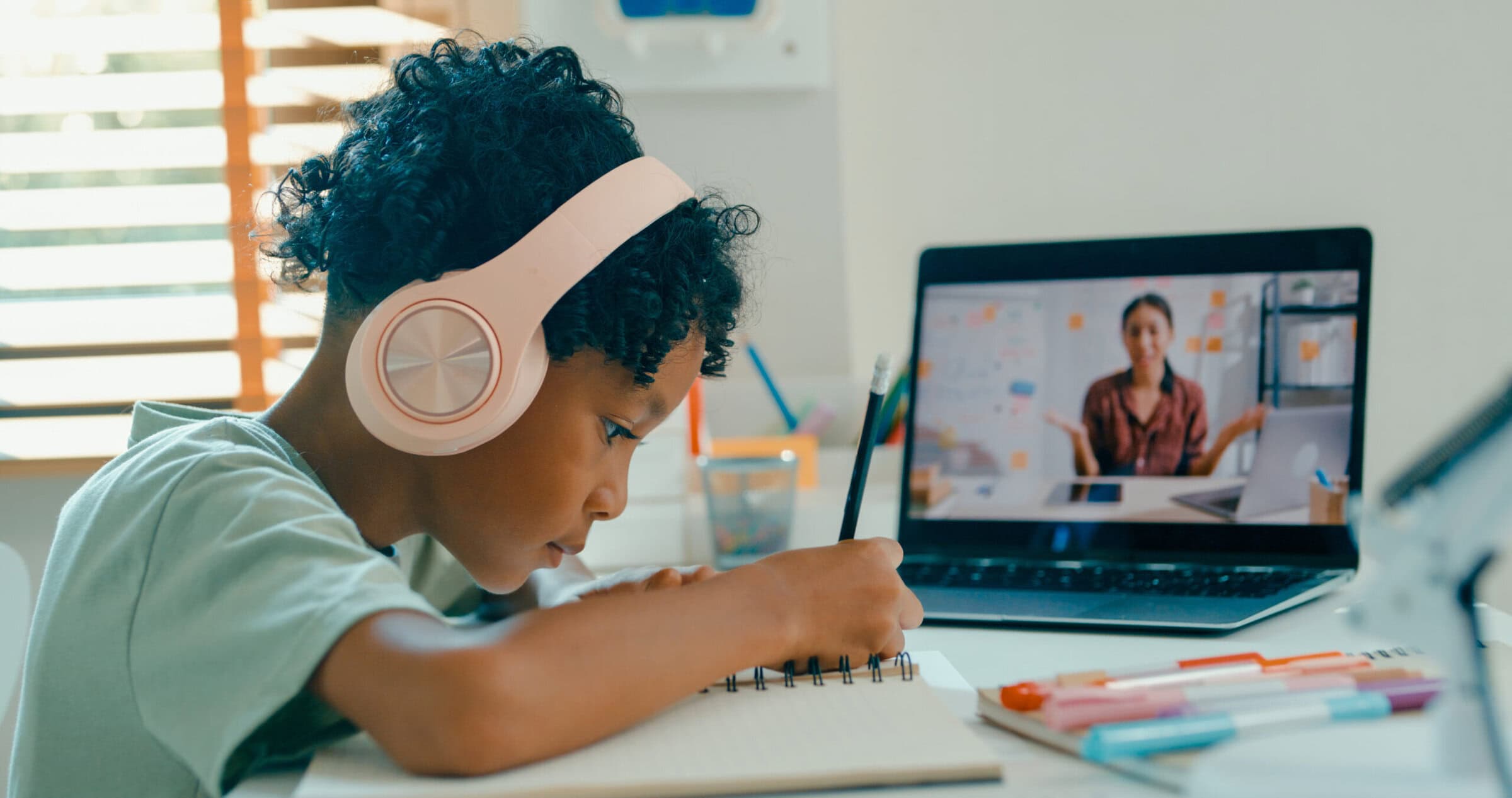
So when I began teaching music in a fully virtual environment at Missouri Digital Academy (MODA), I found myself asking a big question: How do you build a meaningful music classroom when your students are not physically in the room with you?
Virtual teaching is not simply “in-person teaching on a screen.” It requires a different kind of attentiveness, flexibility, and intentionality. Over years of teaching, I have learned that the most important part of a thriving, engaged classroom is the connection you build with your students. It is always about the people. It is about creating spaces where students feel safe, giving them room to process, and building relationships that support learning beyond the music standards.
Three practices have shaped my virtual classroom and are lessons for all educators:
- Creating a culture of trust
- Understanding the power of wait time
- Building meaningful relationships with students and families
These lessons continue to guide me as I look for new opportunities to help my students thrive—musically, emotionally, and socially.
Creating a Culture of Trust
In any classroom, students bring more than their academic readiness—they bring their whole selves. In a virtual classroom, that reality is sometimes even more visible.
Some days, students arrive eager, talkative, and ready to sing or play. Other days, they do not. In my classroom, this may look like a student who keeps their camera off. It may look like a student who is unusually quiet, who doesn’t respond right away, or who chooses not to participate in an activity that normally excites them.
I’ve come to understand something important: A camera being off or a student who never raises their hand does not always mean disengagement. Sometimes students are dealing with distractions at home. Sometimes they feel self-conscious. Sometimes they are tired. Sometimes life outside of school is simply heavy.
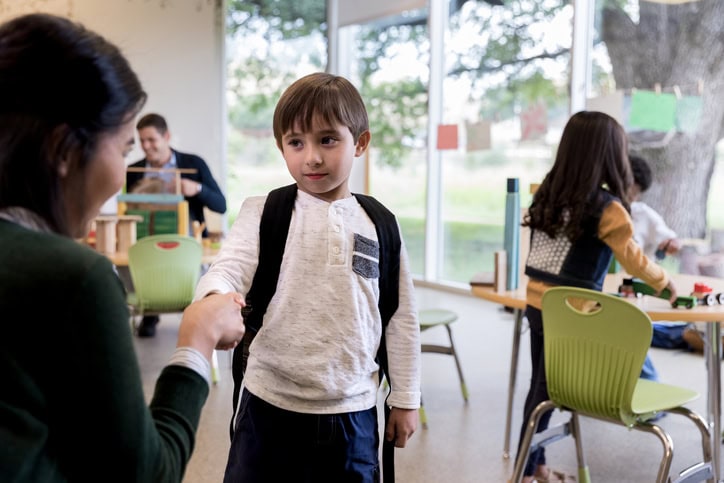
Photo: SDI Productions | E+ Collection via Getty Images
In a brick-and-mortar classroom, these moments might look different. A student may avoid eye contact, withdraw socially, or just need a quiet moment. Virtual teaching requires the same instinct, recognizing when to give space, even if we cannot see everything clearly.
Building trust means resisting the urge to immediately force engagement. Instead, I try to create an environment where students know:
- They are welcome, even on hard days
- Their presence matters, even if they are quiet
- Music class is a safe space, not a performance
Sometimes trust looks like saying, “I’m glad you’re here today. You can participate in any way that feels comfortable to you.”
Over time, I’ve watched students begin to take more risks, unmuting themselves, sharing ideas, and building confidence, because they know they are not being judged. In music education, where vulnerability is part of the art, trust is everything.
The Value of Wait Time
One of the most unexpected lessons I learned from teaching virtually is how valuable it is to slow down.
In a virtual setting, silence can feel uncomfortable. Teachers often feel pressure to fill every pause, to keep things moving, to avoid losing attention. But I have found that some of the most meaningful learning happens in the pause.
Wait time, giving students a moment to think, process, and apply, is essential in any classroom.
When I ask questions like:
- What do you notice about the rhythm?
- How does this melody make you feel?
- What might happen if we change the tempo?
Students need time. Not just to answer quickly, but to reflect.
In my classroom, I often encourage students to take a breath before responding. I’ll say, “Let’s take a moment. Think about it. No rush.”
That simple practice changes everything. Wait time allows students to:
- Process musical concepts more deeply
- Build confidence before speaking
- Feel less pressure to be immediate or perfect
- Engage thoughtfully rather than reactively
And perhaps most importantly, wait time communicates respect: Your thinking matters. Your voice is worth waiting for.
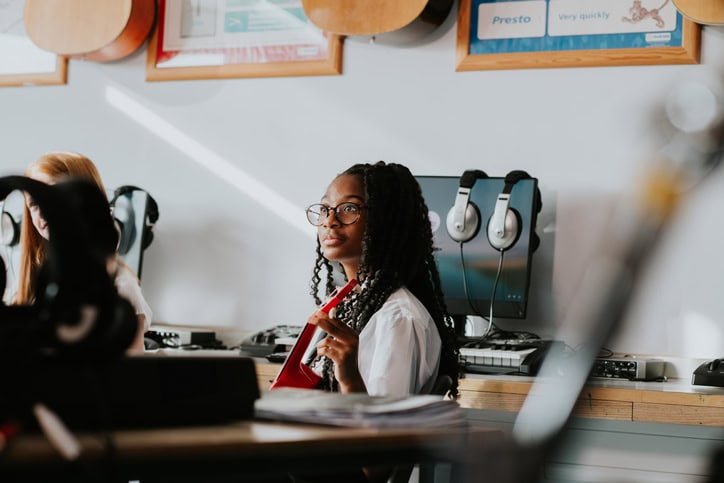
Photo: Catherine Falls Commercial | Moment Collection via Getty Images
Building Meaningful Relationships with Students and Families
Virtual teaching at MODA has reinforced that strong relationships are not optional—they are foundational.
In a digital environment, the connection between teacher, student, and family is even more important because so much learning happens beyond the screen.
I have found that effective communication is paramount. I use tools like email, newsletters, and texting. But the most important part is not the tool—it is meeting students and families where they are.
Every family’s situation is different. Some are highly involved and communicative. Others may be balancing multiple responsibilities.
My goal is always to underscore partnership. I often remind families, “We are on the same team. Supporting your child’s growth both musically and personally.”
I also try to share positive feedback, not just concerns. A quick message like, “Your child did a wonderful job keeping the steady beat today!” goes a long way. Families want to know their children are known, valued, and supported.
Looking Ahead: Creating New Opportunities for Connection
As I continue teaching music virtually at MODA, I am constantly looking for new ways to help students experience joy, belonging, and musical growth.
Recently, we started a recorder club, and it has grown more than I expected. What began as an extension opportunity has become something deeper: a space for students to connect and build friendships through music.
Giving students chances to collaborate and socialize beyond the regular class period is so important.
The recorder club has reminded me that students thrive when they are given space not only to learn but also to belong.
Final Thoughts
Teaching music virtually has taught me that the heart of music education remains the same, no matter the format.
- Students need trust.
- Students need time.
- Students need relationships.
Some days, students will show up ready to sing. Some days, they will show up quietly. Our role is to hold space for both and to keep offering music as a place of growth, connection, and hope.
As I continue this journey, I look forward to discovering even more ways to help my students thrive—one note, one breath, and one relationship at a time.
Photo at top: MTStock Studio | E+ Collection via Getty Images
About the author:
 NAfME member Dawn Firak holds a Bachelor of Music Education degree from the University of Illinois Urbana-Champaign and a Master of Music from Northern Illinois University. She currently teaches 3rd–5th Grade General Music at Missouri Digital Academy through Stride. Throughout her two-decade “brick and mortar” career, which includes tenures at Woodstock School District 200 and McHenry County College in Illinois, Dawn has experience in elementary general music, choral instruction, and private music instruction. She earned National Board Certification in Early/Middle Child Music and is a passionate advocate for the vital role music plays in a child’s development. Dawn believes music is a primary vehicle for teaching joy and humanity in this digital age.
Did this blog spur new ideas for your music program? Share them on Connect! Interested in reprinting this article? Please review the reprint guidelines.
The National Association for Music Education (NAfME) provides a number of forums for the sharing of information and opinion, including blogs and postings on our website, articles and columns in our magazines and journals, and postings to our Connect member portal. Unless specifically noted, the views expressed in these media do not necessarily represent the policy or views of the Association, its officers, or its employees.