NAfME BLOG
Serving All Students, Regardless of Socioeconomic Status or Disability
Highlights from the NAfME 2025 Virtual Symposium on Music Education
and Students with Disabilities and/or Living in Poverty
An Interview with Joseph Abramo and Alice Hammel
On November 15, 2025, NAfME held a virtual Symposium on Music Education and Students with Disabilities and/or Living in Poverty, creating space for timely dialogue and reflection. We spoke with symposium organizers Joseph Abramo and Alice Hammel about the vision behind the event, insights and takeaways that emerged, and resources for teachers to learn more.
What led you to combine the themes of “students with disabilities and/or living in poverty” for the focus of the virtual symposium?
We had two reasons to combine these topics. The first was to explore how disability and poverty could have a greater presence in discussions of equity in music education. During the first quarter of the 21st century, NAfME began to deeply examine our history with diversity, equity, and inclusion and to develop ways to act more equitably and inclusively. This sincere effort was lauded by many. As part of this, NAfME studied the issues and began new initiatives. The latest NAfME Strategic Plan centers equity within every priority in the organization. As we did this, we realized we could not effectively focus on all elements of DEI simultaneously. The most pressing issues were identified as race, ethnicity, sexuality, and gender. Through strong leadership, NAfME effected change in this area and healed wounds as we became stronger together.
Our country also placed some focus on these issues, and the increase in equity was palpable. While this shift was seen as a positive step forward, DEI became associated exclusively with those areas, and other equity areas were waiting until we had the infrastructure and space to include them. As time passed and the political landscape changed, DEI became a flashpoint, visible from local school board meetings to Washington, DC. In this process, part of the fallout were two historically resilient groups: those with differences and disabilities, and those who live in poverty.
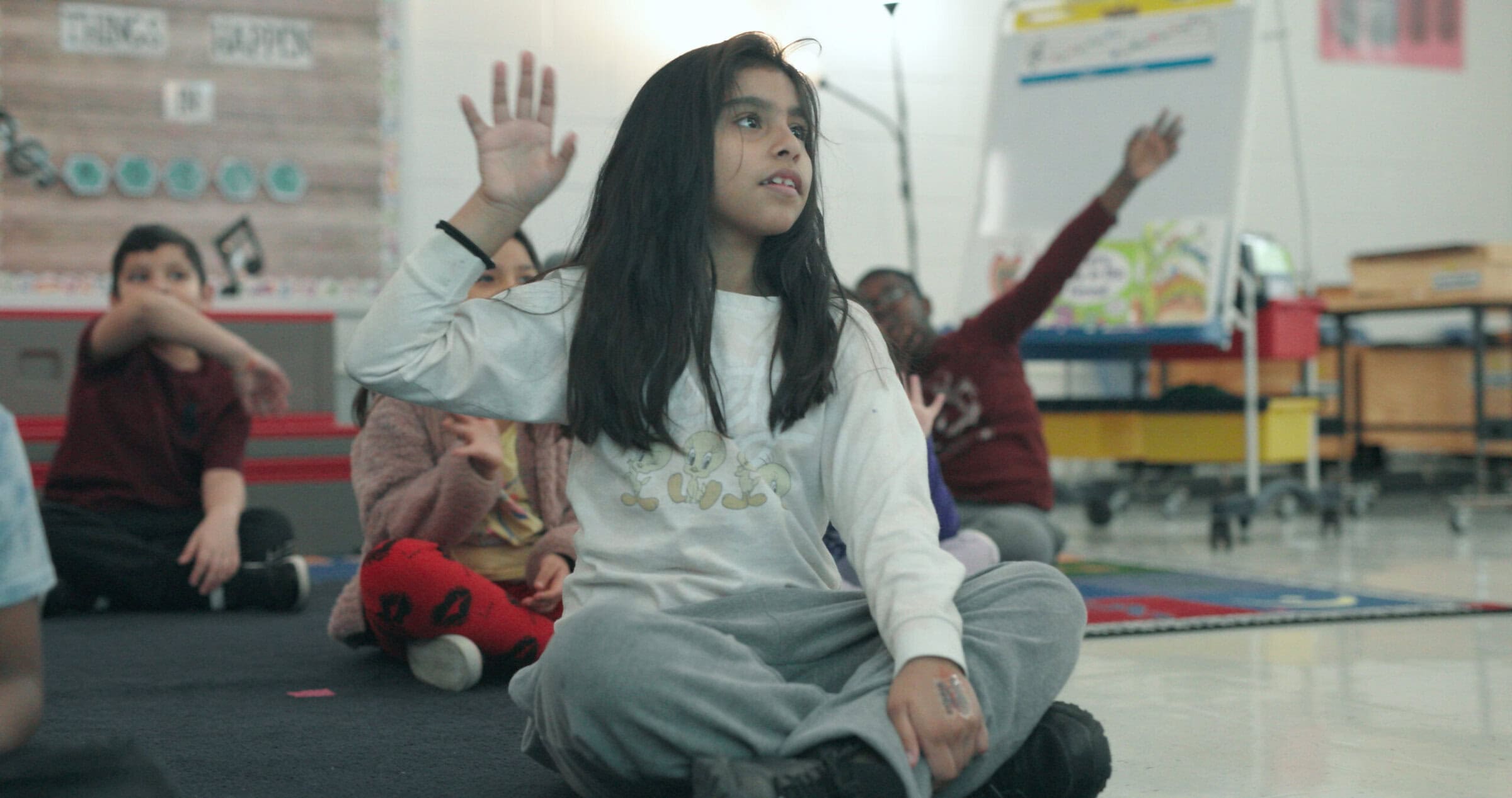
Photo: Powell Media Concepts
The second reason was that the intersection of these two issues presents unique challenges. The unfortunate truth is that the special education system does not serve students and families of different socioeconomic statuses equally. Families with more resources tend to fare better in the system, securing more and better services. In addition, the rate and types of diagnoses students receive are related to their socioeconomic status. Overall, socioeconomic factors affect who receives special education and how they are treated. To better serve students with disabilities and students living in poverty, these two issues must be understood as interrelated.
In response to shifting equity priorities and the challenges faced by people with differences and disabilities, as well as those living in poverty, we decided to create a one-day symposium highlighting these two equity issues. We intended to provide current philosophical ideas, concrete strategies, and a place for music educators to connect regarding these two historically resilient populations caught up in the fiscal ramifications of the backlash against equity.
What were some highlights for you about the event?
The highlight of the event was the variety and cohesion. The presenters were able to encompass the two equity areas within a cohesive continuum. Topics ranged from the intersections of neurodiversity and trauma-informed pedagogy to their connections with class and poverty. Some sessions focused on specific strategies, including the use of modern band, mariachi, and adaptive sensory experiences in the classroom. All music teachers took away something from the event, whether it was specific strategies, a deeper theoretical understanding of the topics, or data and talking points to help them advocate for their programs and students.
We appreciated the breadth of expertise from three generations of music educators from diverse backgrounds, many of whom had disabilities and experiences with classism and poverty. Attendees had opportunities during two breakout sessions to share their aha moments, takeaways, and questions, and to list what they most want to learn at another symposium focused on these two areas. The practical nature of the presentations enabled immediate transfer to any teaching situation, and the comments demonstrated a strong interest in learning more.
What are some of the key takeaways you hope attendees have from the virtual symposium?
We hope the participants left with a solid understanding of how these two topics relate—that understanding spans theory, policy, and instructional strategies. Attendees learned new approaches to address a variety of student differences, were introduced to new technologies, and received contact information for all presenters to continue conversations begun during the day. Because each presenter was an expert in their area, the data and ideas were current, relevant, and practical.
What did you learn from the symposium?
We learned a great deal from the symposium. We identified the most critical topics for the music educators in attendance and ways to improve our teaching practices. The breadth of information was wide, spanning poverty, classism, technology, sensory needs, informal and popular music, and a deeper understanding of what students are telling us through their engagement levels in our music classrooms and ensembles. We also learned that there is a greater need for symposia like this, as teachers seek ways to include students from historically resilient populations.
We were particularly inspired by what some of the attendees said. One attendee noted that after the symposium, they would seek out resources that benefit students. They also said if they’re unsure how to assist a student with a disability that requires an IEP or a 504, they will now consult their counselors, the parents, and the administrators. Another said they would be more intentional about listening to and observing students to be sensitive to areas that may need careful consideration and adjusted pedagogy. As Erika Knapp explained in her session, “all behavior is communication.” If a student appears to be misbehaving, they may be communicating something to us that is unrelated to not wanting to be quiet or participate appropriately.
The virtual symposium highlighted many important issues. There are also so many types of disabilities and variables related to poverty. Can you share a few key frameworks or guiding questions that provide a mental model to help busy teachers ask good questions and identify where to learn more?
One of the event’s overarching ideas is that disability is not merely a medical diagnosis. There is also a strong social component. For example, external factors, such as socioeconomic status, affect who gets diagnosed and how. Socioeconomic status can also affect the quality of services students with disabilities receive. The social model of disability holds that social factors shape disability. Understanding disability in this way can help us more comprehensively serve students with and without disabilities. When approaching it this way, educators can ask themselves: Are the policies and teaching strategies at my school serving all students, regardless of socioeconomic status or disability?
NAfME has wonderful resources on its website about disability and poverty and their implications for music education. Access a curated list with links to recorded webinars and to articles published in Teaching Music magazine, the NAfME Blog, and NAfME’s five journals—the Music Educators Journal, the Journal of General Music Education, Update: Applications of Research in Music Education, the Journal of Research in Music Education, and the Journal of Music Teacher Education. These resources offer a range of information, from the practical to the philosophical, to help music teachers best serve all students.
Recordings of the Symposium sessions are available to NAfME members in the NAfME Academy® in the category of “Special Education, Disabilities, Neurodiversity.” NAfME Academy is free to members but requires a subscription to access.
 Joseph Abramo is an Associate Professor of Music Education in the Neag School of Education at the University of Connecticut in Storrs, Connecticut. He is a member of the NAfME Equity Committee.
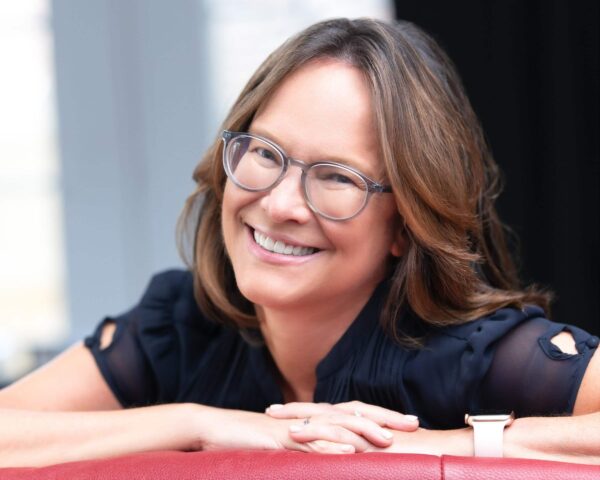 Alice Hammel is a disabilities specialist, author, presenter, and Grammy Award-nominated educator based in Richmond, Virginia. She is a NAfME Lowell Mason Fellow, a past president of the Virginia Music Educators Association, and a member of the NAfME Equity Committee.
Did this blog spur new ideas for your music program? Share them on Connect! Interested in reprinting this article? Please review the reprint guidelines.
The National Association for Music Education (NAfME) provides a number of forums for the sharing of information and opinion, including blogs and postings on our website, articles and columns in our magazines and journals, and postings to our Connect member portal. Unless specifically noted, the views expressed in these media do not necessarily represent the policy or views of the Association, its officers, or its employees.