NAfME BLOG
Why Your School Should Start a Tri-M® Music Honor Society Chapter
By Kevin McLellan, Music Honor Society Advisory Council Southern Division Representative
In today’s educational landscape, where programs are constantly asked to justify their value, music education continues to stand as one of the most impactful experiences a student can have. Yet, one of the most underutilized tools for strengthening music programs and developing student leaders is the Tri-M® Music Honor Society.
Tri-M® is more than just an honor society—it is a structured, student-led organization that recognizes musical achievement, academic excellence, leadership, and service. A program of the National Association for Music Education, Tri-M gives music students a platform to grow beyond the classroom and make meaningful contributions to their schools and communities.
Building Leaders Through Music
One of the most powerful aspects of Tri-M is its emphasis on student leadership. Members are not simply participants; they are planners, organizers, and ambassadors for music education. Through chapter meetings, service projects, and outreach performances, students learn how to lead with purpose.
Whether organizing a community concert, mentoring younger musicians, or supporting school events, Tri-M students gain real-world leadership experience. These are the kinds of skills that extend far beyond band, choir, or orchestra. They prepare students for college, careers, and life.
Strengthening Music Programs
Starting a Tri-M chapter can transform a music program from being strong to exceptional. Chapters create a culture of accountability and pride. Students begin to hold themselves and each other to higher standards both musically and academically.
Tri-M also encourages increased participation. Students become more invested in honor bands, auditions, performances, and daily rehearsals because they understand they represent something bigger than themselves. The result is a program that grows not just in numbers, but in quality and commitment.
Service That Makes an Impact
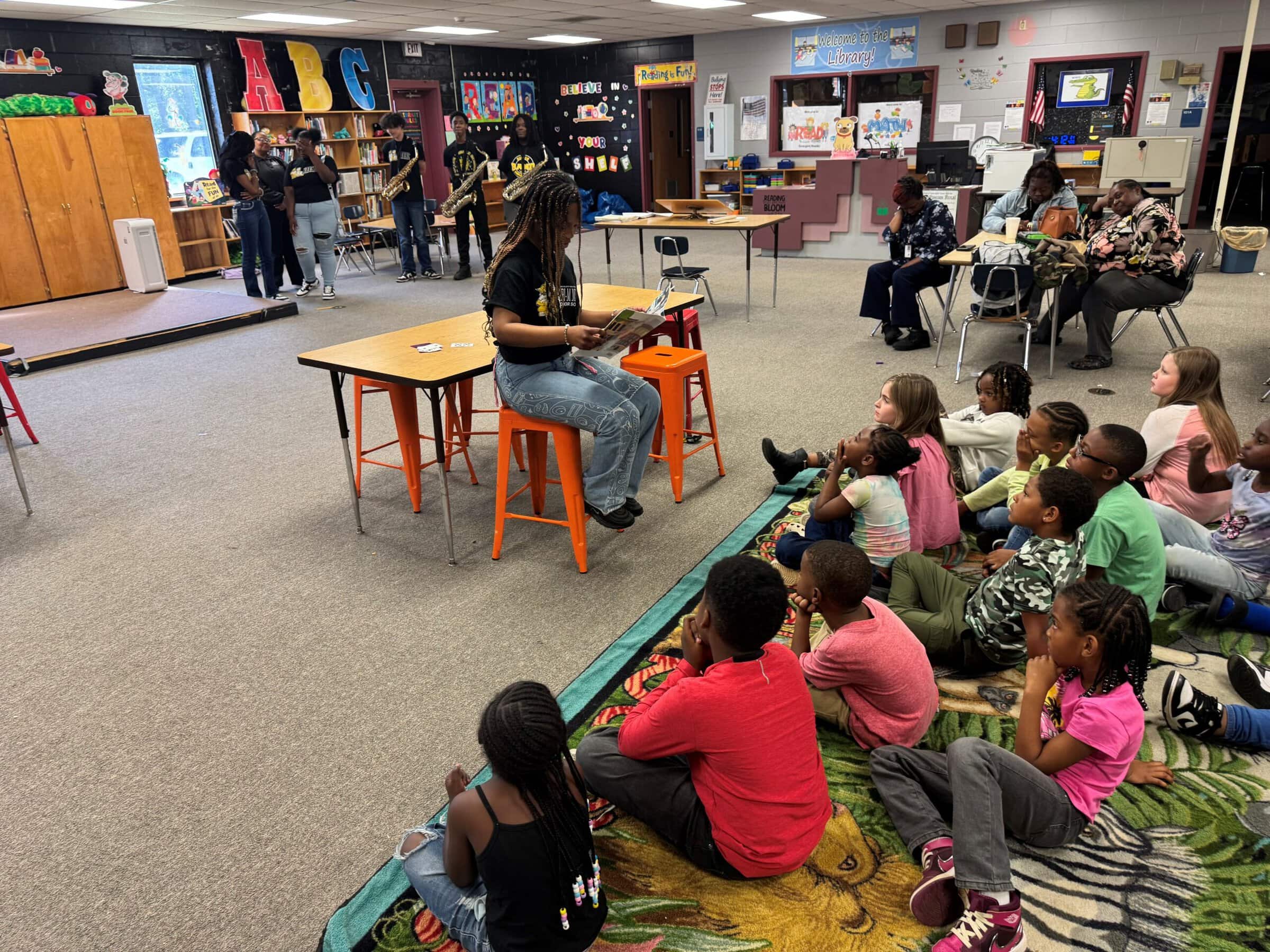
At its core, Tri-M is rooted in service. Chapters are required to complete service projects, which often include performing for the community, supporting local events, and promoting music education.
These service efforts do more than meet a requirement; they build connections. Schools with active Tri-M chapters often see stronger relationships with their communities, increased visibility for their programs, and greater support from stakeholders.
Recognizing Excellence
Students work hard, and they deserve to be recognized. Tri-M provides a formal way to celebrate students who excel in music and academics while demonstrating strong character.
Induction ceremonies, honor cords, and national recognition opportunities give students a sense of accomplishment and pride. For many, being a member of Tri-M becomes one of the most meaningful parts of their school experience.
A Model of Success: Dillon Middle School
The impact of Tri-M is not theoretical; it is being lived out in real time at Dillon Middle School.
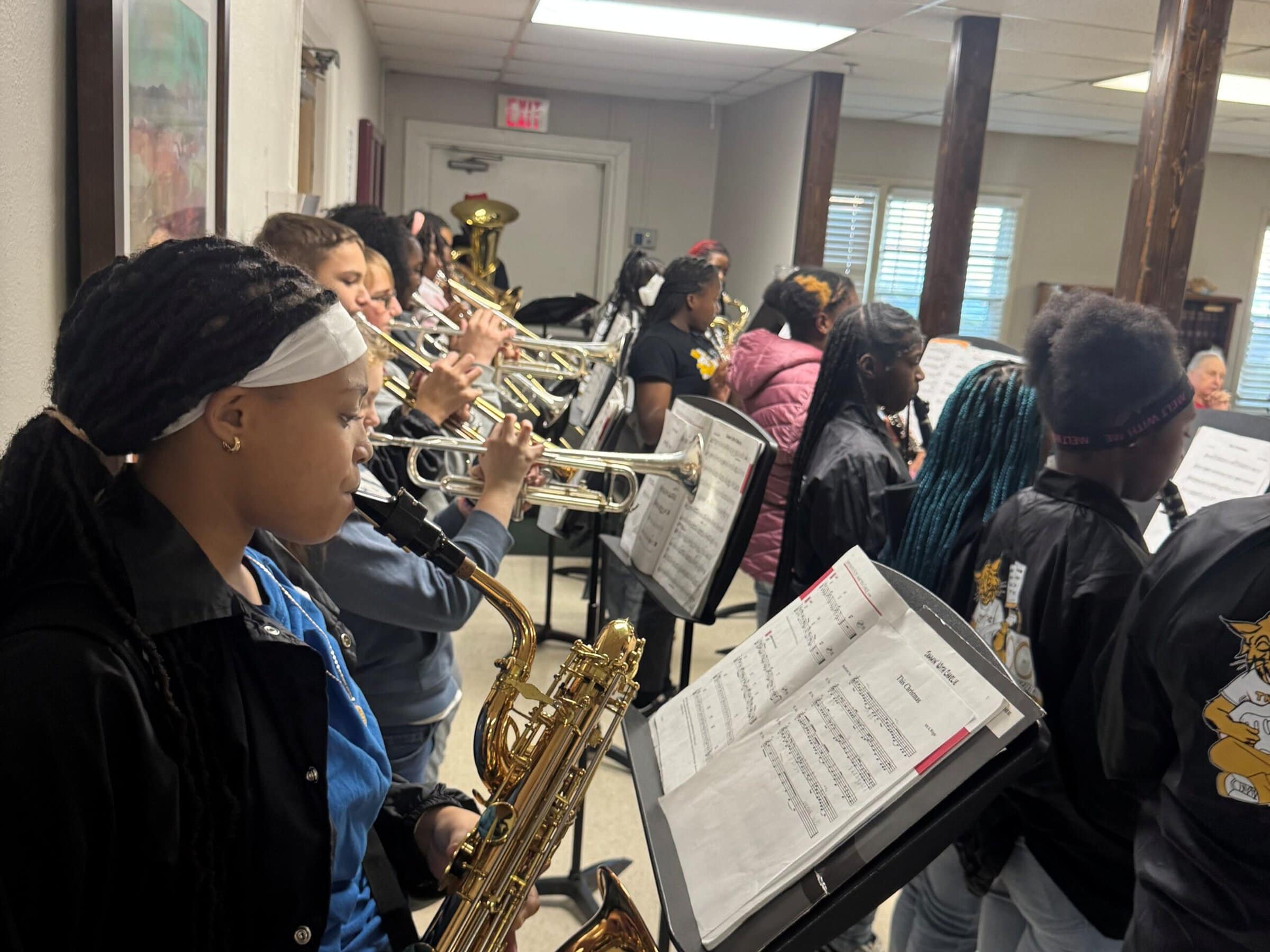
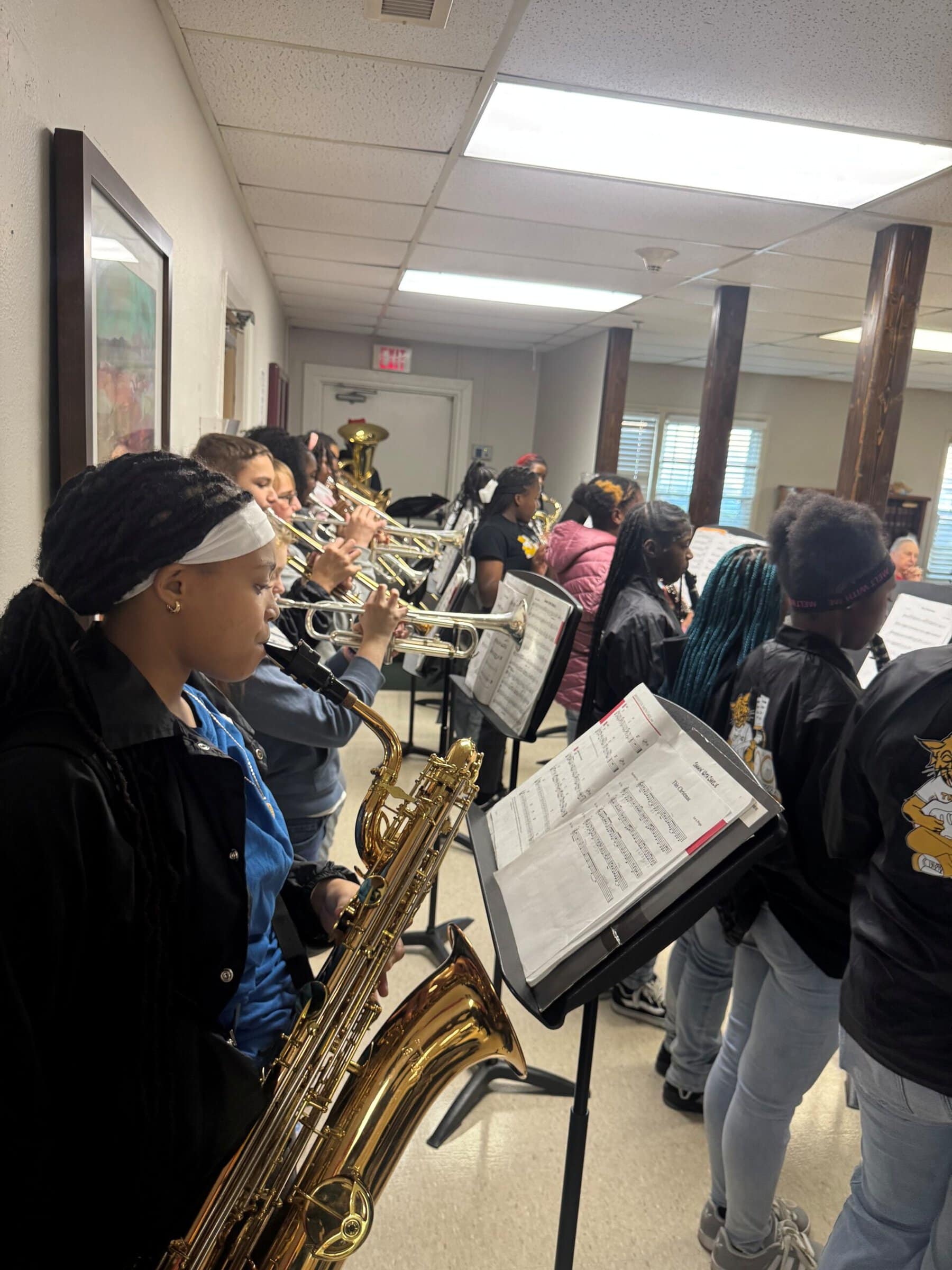
The Dillon Middle School Tri-M Music Honor Society Chapter has become a driving force behind the growth and success of the band program. Through a strong commitment to leadership, service, and musical excellence, students have elevated not only their own performance level, but the culture of the entire program.
One of the most powerful indicators of this impact is student engagement. A significant number of students involved in honor band auditions and advanced musical opportunities are also active Tri-M members. These students consistently uphold the organization’s standards, demonstrating discipline, accountability, and pride in their work.
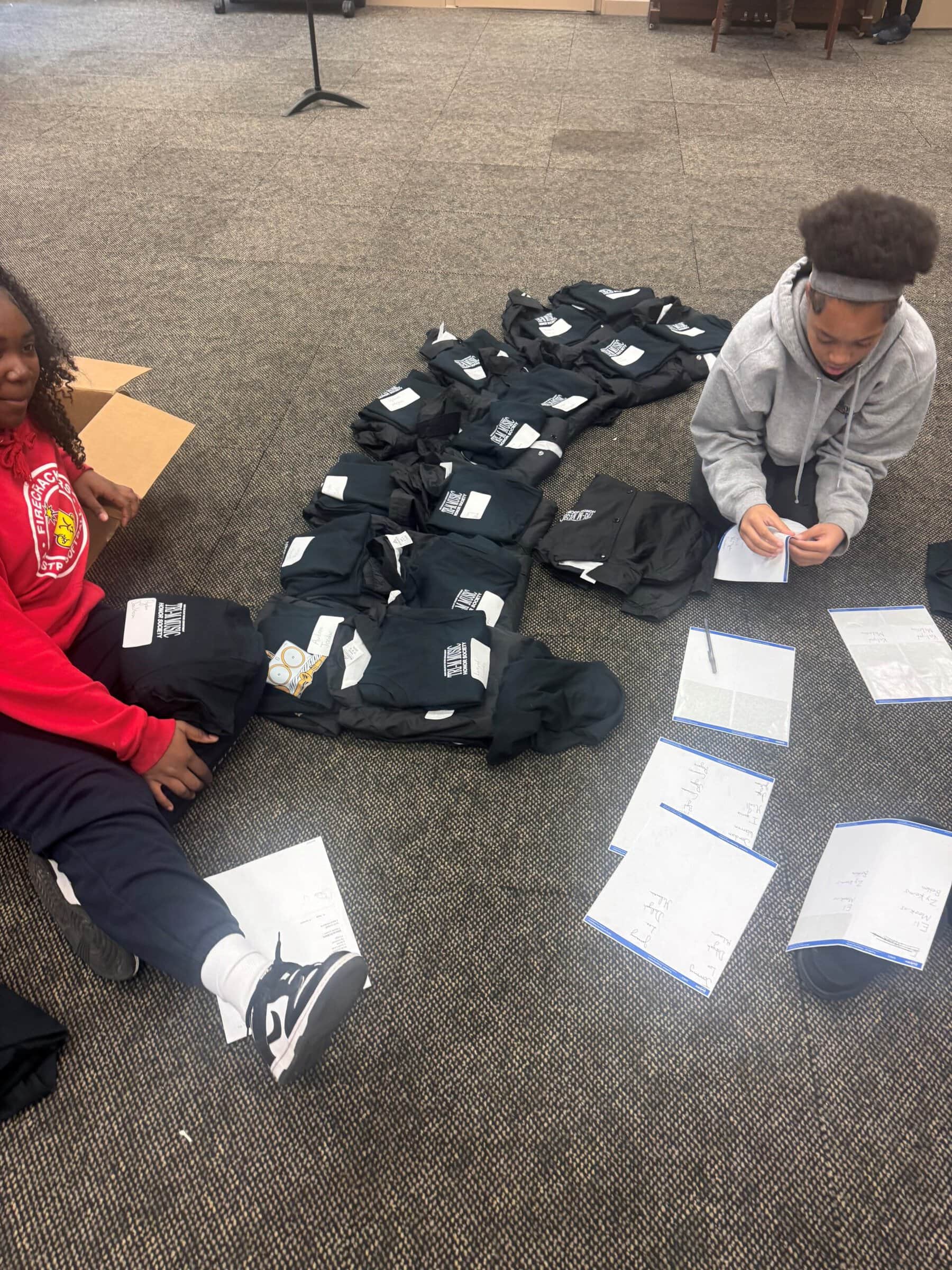
The chapter’s dedication has also been recognized on a national level. Dillon Middle School made history by earning back-to-back National Chapter of the Year honors, an achievement that reflects not just talent, but sustained excellence, organization, and student-driven leadership.
Beyond awards, the true success lies in the day-to-day work: students mentoring younger musicians, leading by example in rehearsals, and serving their school and community through music. Tri-M has helped create an environment where students don’t just participate, they take ownership.
This kind of culture does not happen by accident. It is built through intentional structure, high expectations, and giving students the opportunity to lead.
Why Now Is the Time to Start
If your school does not currently have a Tri-M chapter, now is the time to consider starting one. The process is straightforward, and the long-term benefits far outweigh the initial effort.
In an era where student engagement is critical, Tri-M offers a proven framework to motivate students, build leaders, and elevate music programs. It provides structure, purpose, and recognition all while reinforcing the value of music education.
A Call to Action
Music educators have a unique opportunity to shape not only musicians, but future leaders. Starting a Tri-M Music Honor Society chapter is one of the most effective ways to do both.
By investing in Tri-M, you are investing in your students, your program, and your community.
About the author:
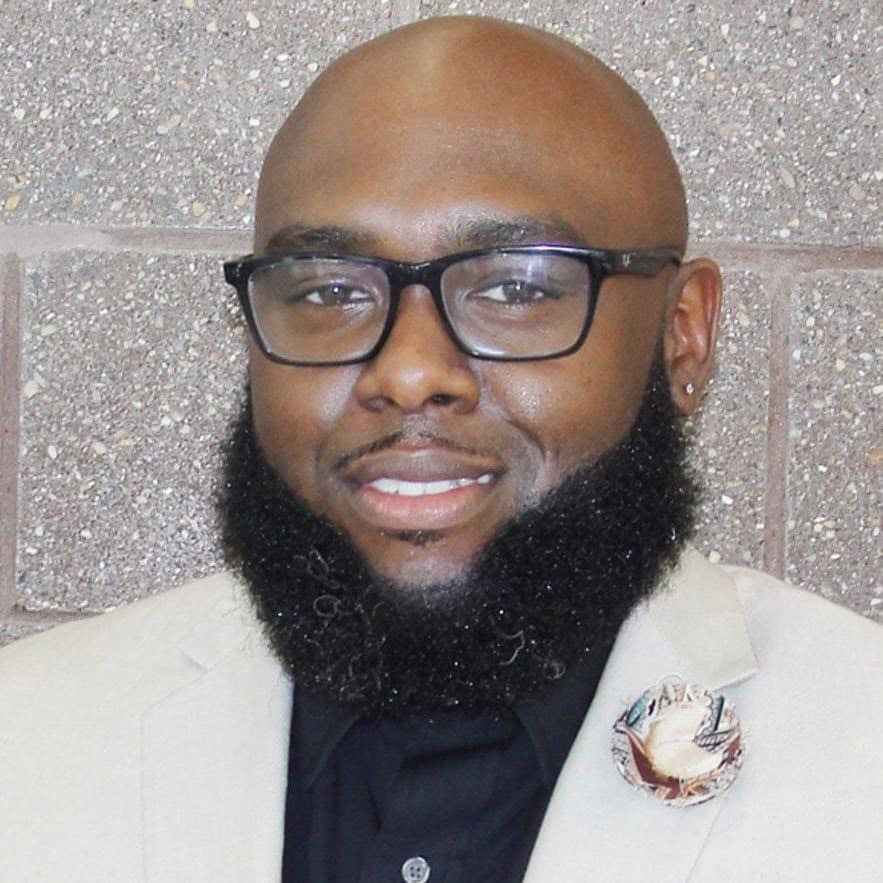 NAfME member Kevin L. McLellan is an accomplished music educator, band director, clinician, and professional keyboardist with more than twenty years of experience in music education, performance, and program leadership. He currently serves as Director of Bands at Dillon Middle School in Dillon, South Carolina, where he leads a thriving, comprehensive band program serving more than 130 students. Under his leadership, the program has earned consistent Superior and Excellent ratings, nine consecutive Outstanding Performance Awards from the South Carolina Band Directors Association since the school opened in 2012, and multiple historic first-time performances at regional and national festivals.
McLellan holds a Bachelor of Arts in Music from Claflin University, graduating with academic and performance honors. He is an active member of the National Association for Music Education (NAfME), South Carolina Band Directors Association (SCBDA), South Carolina Music Educators Association (SCMEA), and the National Band Association (NBA). He also serves as the Southern Division Representative for the NAfME Music Honor Society Advisory Council, and the South Carolina Chair for the Tri-M® Music Honor Society, where he provides statewide leadership and advocacy for student musicians and music education programs.
Did this blog spur new ideas for your music program? Share them on Connect! Interested in reprinting this article? Please review the reprint guidelines.
The National Association for Music Education (NAfME) provides a number of forums for the sharing of information and opinion, including blogs and postings on our website, articles and columns in our magazines and journals, and postings to our Connect member portal. Unless specifically noted, the views expressed in these media do not necessarily represent the policy or views of the Association, its officers, or its employees.