
EVENTS
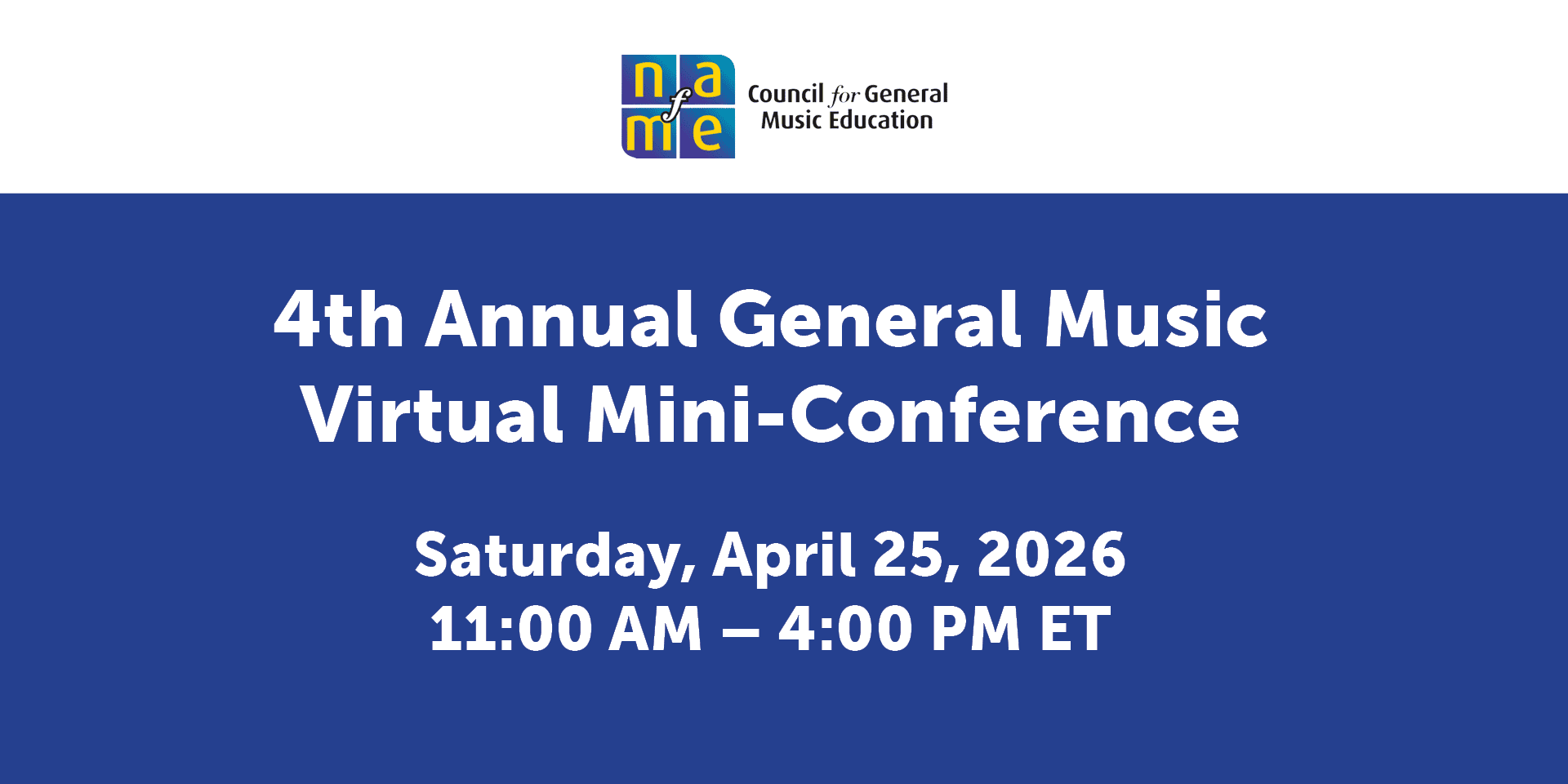
4th Annual NAfME General Music Virtual Mini-Conference
About the Event

The fourth annual 2026 NAfME General Music Virtual Mini-Conference will take place 11:00 AM to 4:00 PM ET, on April 25. This event is organized by NAfME’s Council for General Music Education in collaboration with organizations representing a variety of well-known general music education approaches. The event features live virtual sessions (sessions are also recorded for additional access after the event) on the Zoom Events platform. Participants will have opportunities to learn from and interact with clinicians/experienced music educators from multiple general music approaches and learn about key issues and trends of interest to general music educators.
This event is free, but registration is required.
Conference Agenda (Subject to Change)
Session 1A
11:00–12:10 p.m.
Introduction and Welcome
Stephanie Benischek, Chair, NAfME Council for General Music Education
Conversational Solfege: Games with a Purpose
Andrew Himelick, Carmel Schools and Indianapolis Children’s Choir, Indiana
Come explore many of the fun and effective games featured in the Conversational Solfege teacher’s manual. These techniques are essential tools that help guide students through all 12 Steps. In this session, we’ll focus on both rhythm and tonal concepts as we move sequentially through the Steps. Through a process of seemingly effortless assimilation, the Conversational Solfege music literacy approach begins with high-quality literature and follows an ear-before-eye philosophy.
Orff Schulwerk: Developing Intercultural Competence through Music and Movement Education
Manju Durairaj, Latin School, Chicago, University of Illinois, Urbana-Champaign, Illinois
Orff Schulwerk pedagogy is based on an interactive teaching process for music and movement education in which an interculturally aware teacher can sensitively and organically shape the environment to develop attitudes of respect, openness, curiosity, and discovery of perspectives and differences, as well as foster cultural awareness, communication beyond language barriers, and other intercultural competences. This session will provide examples of teaching sequence possibilities to demonstrate how an interactive teaching process can facilitate development of the competences needed to navigate today’s complicated socio-political environment. Current research will be referenced, and integrating research into practice will be discussed, while centering and demonstrating active music making.
Session 1B
11:00–12:10 p.m.
Introduction and Welcome
Rob Lyda, Past Chair, NAfME Council for General Music Education
Kāhuli Aku: Exploring the World Music Pedagogy Framework through a Hawaiian Children’s Song
Sarah Watts, Penn State University, Pennsylvania
Participants will explore the World Music Pedagogy framework developed by Patricia Shehan Campbell through the rich and multifaceted world of traditional Hawaiian music, specifically the ancient art form of hula. Using a traditional Hawaiian children’s song and hula about the singing tree snails Kāhuli Aku, participants will follow the snail trail through Attentive Listening, Engaged Listening, Enactive Listening, Integrating, and Creating activities. Participants will learn and perform the corresponding hula noho (seated hula) to “Kāhuli.” This hula noho will then be integrated into a reading of the children’s picture book Kili and the Singing Tree Snails by Janice Crowl and Harinani Orme. A link to materials to bring back to the classroom will be provided.
Save Your Voice and Share Your Love of Music for a Lifetime!
Jennifer Rozsa, Cleveland Orchestra Children’s Choruses, Ohio
Teaching 500+ students a week while maintaining a professional singing and conducting career is a vocal marathon. This session shares essential vocal preservation tips to help you make music for a lifetime. We will dive into specific vocal exercises, classroom routines, and tech tools, such as online bookshelves and interactive modeling, to help you teach effectively without losing your voice.
Session 2
12:20–1:20 p.m.
Children’s Literature to Performance Possibilities
Matthew Shea, Kansas City Public Schools, Kansas
Be inspired to create an original and multifaceted performance using children’s literature. We explore the Orff approach to music education to incorporate singing, drama, movement, composition, and instruments to bring “What the Road Said” to life. Imbedded in the presentation are strategies for arts integration, literacy skills, and social emotional learning.
Seeking the Light Within: How to Maintain Your Advocacy Efforts in the Face of Burnout
Jazzmone Sutton, National Association for Music Education
Taking on the role of being an educator and advocate comes with unique challenges and, at times, can become overwhelming. Drawing from personal experiences and research, this session will guide attendees through practical strategies and techniques to recognize and/or prevent advocate burnout so that they may sustain their advocacy efforts.
Session 3A
1:30–2:30 p.m.
Innovative Approaches for Today’s Learners
Michael Joviala, Lucy Moses School, New York; Colburn School, California
When we listen to music, especially improvised music, our attention is naturally drawn to what is changing, evolving, or developing. What might we invent, create, or discover if we turn our awareness as players to what is not changing and remains constant? Find out in this guided improvisation session, in which a series of prompts will direct you to keep some musical elements constant and change others in order to create a short, improvised piece of music. Although no special skills are required, participants should expect to improvise on an instrument or with the voice. No one will be required to share their sound. Afterward, we’ll reflect on our experience and consider ways to apply this work to solo and small- and large-group teaching situations.
Creative Music-Making for Every Classroom
Stephen Cox, Willis Wonderland Foundation, California
Creativity is not only fun, engaging, and pedagogically valuable, it’s also great for well-being. In this session we’ll explore creative music-making, definitions, practical strategies, and the connection between these practices and the psychological well-being of our students.
Session 3B
1:30–2:30 p.m.
A Taste of Kodály: Activating and Engaging Today’s Learners
Kathryn O. Bach, Kodály Music Institute, Massachusetts
Curious about how sound-before-sight empowers the modern classroom? In this upbeat, participatory session, educators will experience a taste of Kodály through student-centered discovery. Explore how thoughtful sequencing and folk song research serve as innovative approaches for today’s learners, acting as catalysts for equity and authentic belonging. From elementary to high school, discover how playful, developmentally appropriate activities foster deep cognitive focus and musicianship. By prioritizing engagement over management, this session offers practical techniques to keep diverse learners musically activated and connected. Come ready to sing, move, and innovate, leaving with fresh tools for a joyful, rigorous classroom.
Fantastic Elastic Lesson Plans
Carin McEvoy, East Lansing Public Schools, Michigan State University Community Music School, Michigan
Rooted in Music Learning Theory, this session explores how a single song can generate multiple learning outcomes across tonal, rhythmic, movement, and creative domains. Instead of rushing through repertoire, participants will experience how to stretch one piece to develop audiation, pattern recognition, improvisation, literacy, and expressive movement. Discover practical strategies for designing musically rich lessons that deepen understanding, build independence, and maximize instructional time—without constantly introducing new songs.
Session 4A
2:40–4:00 p.m.
Tunes to Talk About: Using Music and Reflection to Enrich Classroom Dialogue
Christina Papandrea, Proctor Junior-Senior High School, Vermont, and Boston University, Massachusetts
This practitioner session equips educators with a practical, adaptable approach for engaging students in active listening through music from any genre or culture. Participants will learn how to introduce a selected song, prompt focused listening, and guide students in completing a Google Form that explores musical elements, cultural context, and thematic or lyrical meaning. The session models how to move from each student’s individual written responses to a teacher-facilitated whole-class discussion that deepens understanding, stretches critical thinking, and connects ideas across learners. Attendees will leave with ready-to-use song selections and question sets that can be implemented immediately to enrich classroom conversations and support cross-curricular learning.
An Introduction to Modern Band in the Classroom
Skye Hale, Music Will, New Jersey
This workshop is centered on the belief that learning is most impactful when young people are engaged in making music that reflects their musical and personal identities. This session will explore resources and methods for teaching popular music through performance in modern band. The content covered is applicable to P–12 and higher education classrooms.
Writing for the Journal of General Music Education + Certificate Information
Kendra Kay Friar, JGME Academic Editor, Oregon
Join the JGME editor Kendra Kay Friar as she describes the inner workings of writing for this important NAfME journal.
Session 4B
2:40–3:40 p.m.
Balancing Music Literacy with the Importance of Oral/Aural Music Traditions
Alicia Brown, Chicago Public Schools, Illinois
As musicians, our students require both aural and notation literacy skills to access the breadth of music that is available to them. From social media apps to online videos to community spaces to traditional music lessons, our students interact with many different formats and styles of music learning. As general music teachers, we are called to balance these multiple styles and formats of music making. In this session we will explore, through the lens of the Kodály philosophy, what it means to foster both aural and notation literacy in our modern music making context.
The Singing Voice: From the Heart to Musical Literacy
Lydia Mills, Instituto Kodály Fundación Ibáñez Atkinson, Chile, and Melrose Leadership Academy, California
Through singing, children make friends, and they develop curiosity, creativity, self-confidence, respect, and appreciation for others. In this session we will look at how careful selection of vocal repertoire and thoughtful planning leads to a classroom environment where children delightfully engage with their whole being, where their hearts feel connected to the words, the melodies, and the rhythms of the songs. Through this connection we guide our students to a keen musical intuition, one that leads them to fully master musical literacy.
Speakers
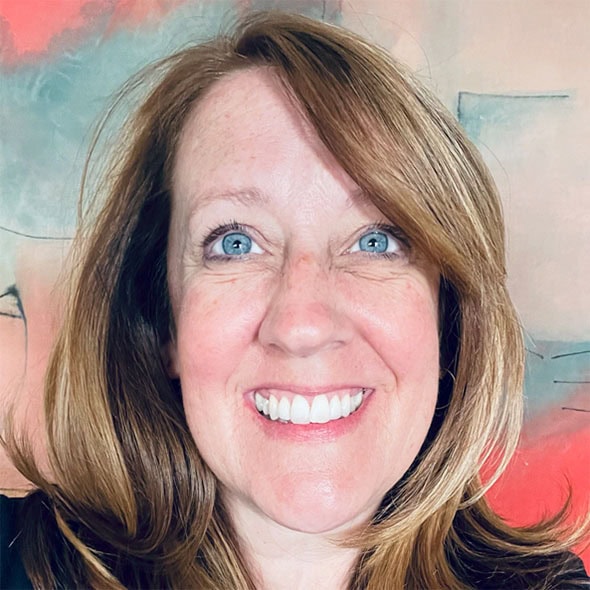 Kathryn O. Bach (she/her) holds an EdM from Harvard University and an MM with Kodály emphasis from Holy Names University. She is currently a Director at the Kodály Music Institute and previously served on the OAKE Board of Directors. Since 2011, she has been a leader of Cambridge Public Schools’ pilot high-frequency Kodály program, a grant-funded initiative. Her expertise in Kodály pedagogy led to a 2015 feature on the Science Channel’s Through the Wormhole with Morgan Freeman as well as an interview about Kodály learning on WGBH’s Culture Show with Jared Bowen.
 Stephanie Benischek teaches K–5 general music at Star Elementary School in Star, Idaho. She received her Bachelor of Music Education and Kodály certification from Nebraska Wesleyan University and a Master of Arts from the University of Nebraska. She has presented workshops for school districts and sessions for state conventions in Nebraska, Oregon, and Idaho; has served as secretary of SWOKE (Southern Washington Oregon Kodaly Educators); and currently serves as the Chair of the NAfME Council for General Music Education. Several of her lessons for general music have been published in Activate! magazine.
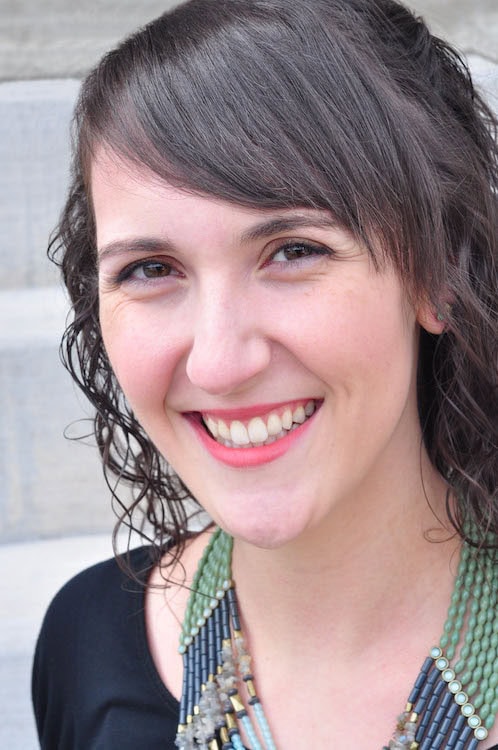 Alicia Brown began her teaching career in Northeast Iowa and currently teaches K–6 Spanish and English bilingual music for Chicago Public Schools. Ms. Brown received her Master of Arts in Music Education with a concentration in Kodály and completed Level I–III training in Orff-Schulwerk at the University of St. Thomas. She has presented around the country on topics such as classroom management, project-based learning, Spanish-language folksong repertoire, composition and improvisation, and bilingual/ESL teaching strategies. She is passionate about creating inclusive classroom spaces that honor students and their unique strengths.
 Stephen T. Cox is the Director of Music Education for the Willis Wonderland Foundation, where he develops programs that empower teachers and students through songwriting, improvisation, arranging, and student-led ensembles. With 15 years of experience teaching music across Texas, his work emphasizes student voice, creativity, and personal connection. In 2022, he was recognized as the Grammy Music Educator of the Year. He is committed to helping students discover their own musical pathways and to building opportunities for lifelong musicianship.
 Manju Durairaj is a doctoral student at the University of Illinois, Urbana-Champaign, and the Lower School Music Teacher at the Latin School of Chicago. She is a past-president for Illinois Music Educators Association (ILMEA), vice president of Diversity, Equity, Inclusion Access (DEIA) for the American Orff Schulwerk Association (AOSA), and a board member of the International Orff Schulwerk Forum, Salzburg (IOSFS). A certified Orff Schulwerk Levels Teacher Educator and a certified Arts Integration specialist, she is an adjunct professor at VanderCook College of Music and at Lakeland University. A frequent clinician at state, national, and international conferences, she has been published in multiple journals and books.
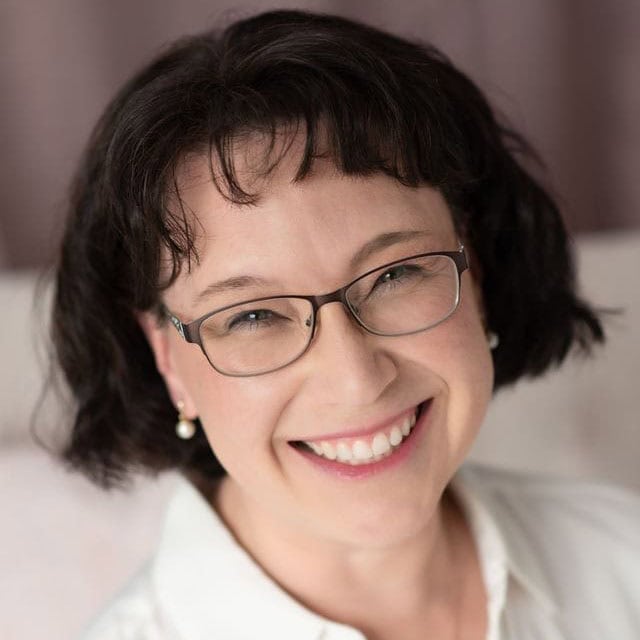 Kendra Kay Friar is an Adjunct Professor at Pacific University, in Forest Grove, Oregon, the Academic Editor of NAfME’s Journal of General Music Education, and a member of NAfME’s Equity Committee. Her publications include articles in the Journal of General Music, Music Educators Journal, and Teaching Music. She is a regular presenter at national, regional, and state conferences and a contributor of two NAfME webinars: “Margaret Bonds’s ‘Credo’ and the Expanding Choral Canon: A Case Study” and “Scott Joplin: A Guide for K–12 Music Educators.”
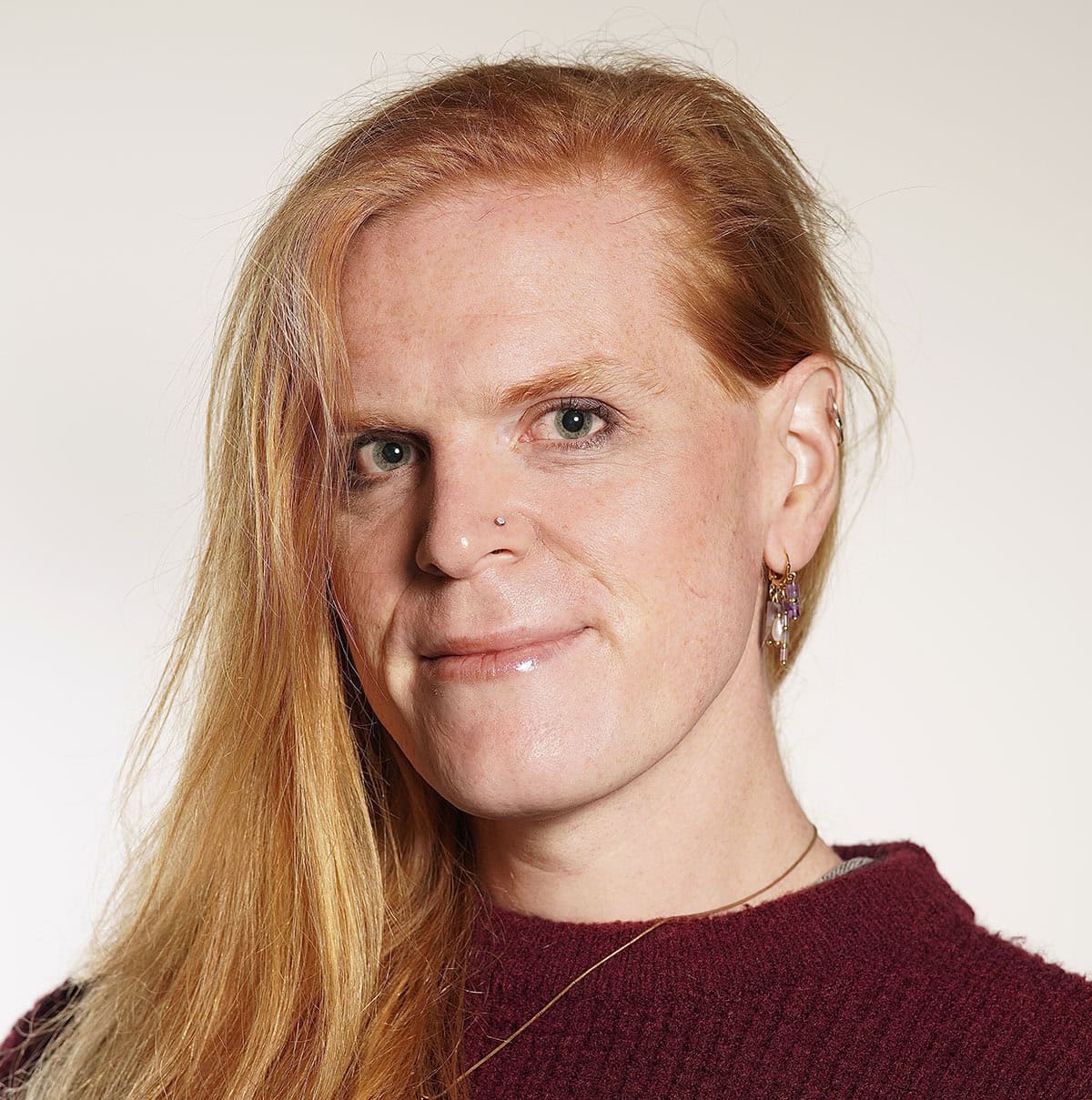 Skye Hale joined Music Will in 2016 as the Technology Education Manager. Through her work there, she has presented on popular music education across the country and at several colleges and universities, including New York University, Montclair State University, Brooklyn College, and Columbia University. She conducted the NAfME All-National Honors Ensemble in 2021 and the New York City All-City Honors Ensemble in 2023. She co-authored the award-winning Modern Band Method book series and has created hundreds of curricular resources for educators.
 Andrew M. Himelick has taught elementary music in Carmel, Indiana, for 32 years, and has been an assistant choir director with the Indianapolis Children’s Choir for 26 years. A specialist in both Kodály and Orff approaches, he has presented at state and national music education workshops and conventions. He is a Teacher Trainer with the Feierabend Association for Music Education (FAME) in both First Steps in Music and Conversational Solfege and currently serves as President-Elect of the organization. His honors include the Armstrong Teacher Award from Indiana University (2006) and the Indiana Music Education Association’s Outstanding Elementary Educator Award (2021).
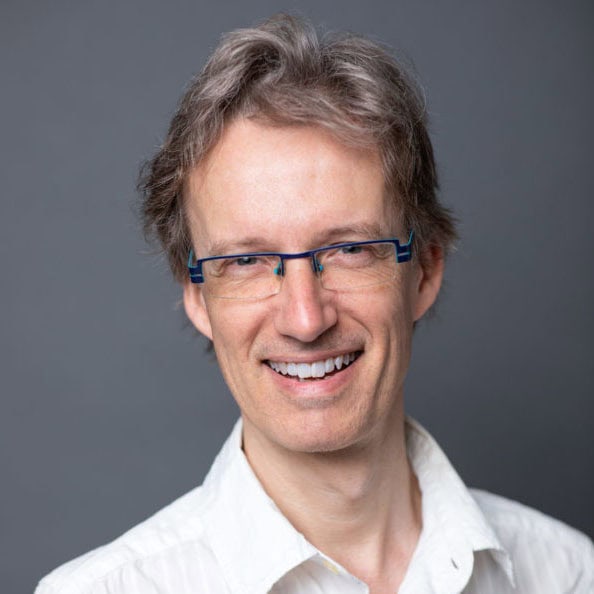 Michael Joviala, New York City-based educator, improviser, and composer, earned the Diplôme Supérieur from the Institut Jaques-Dalcroze in Geneva in 2020. He is the Director of Studies for Dalcroze teacher-training programs at the Lucy Moses School in New York and the Colburn School in Los Angeles. He teaches Dalcroze Eurhythmics to students of all ages at the Lucy Moses School of Music, the Diller-Quaile School of Music, the Dalcroze School of Music and Movement, and in workshops worldwide. He is the creator and music director of the improvising music and dance ensemble Locomotors.
 Rob Lyda has taught a variety of instrumental, vocal, and general music courses for students ranging from pre-kindergarten through graduate study. A passionate advocate for music education, he has consistently worked to improve music education at the local, state, and national levels. Currently, he serves on NAfME’s Music Teacher Profession Advisory Committee and Professional Learning and Partnerships Committee, as Immediate Past Chair of NAfME’s Council for General Music Education, Immediate Past President of Alabama MEA, and as a member of the Alabama State Council on the Arts.
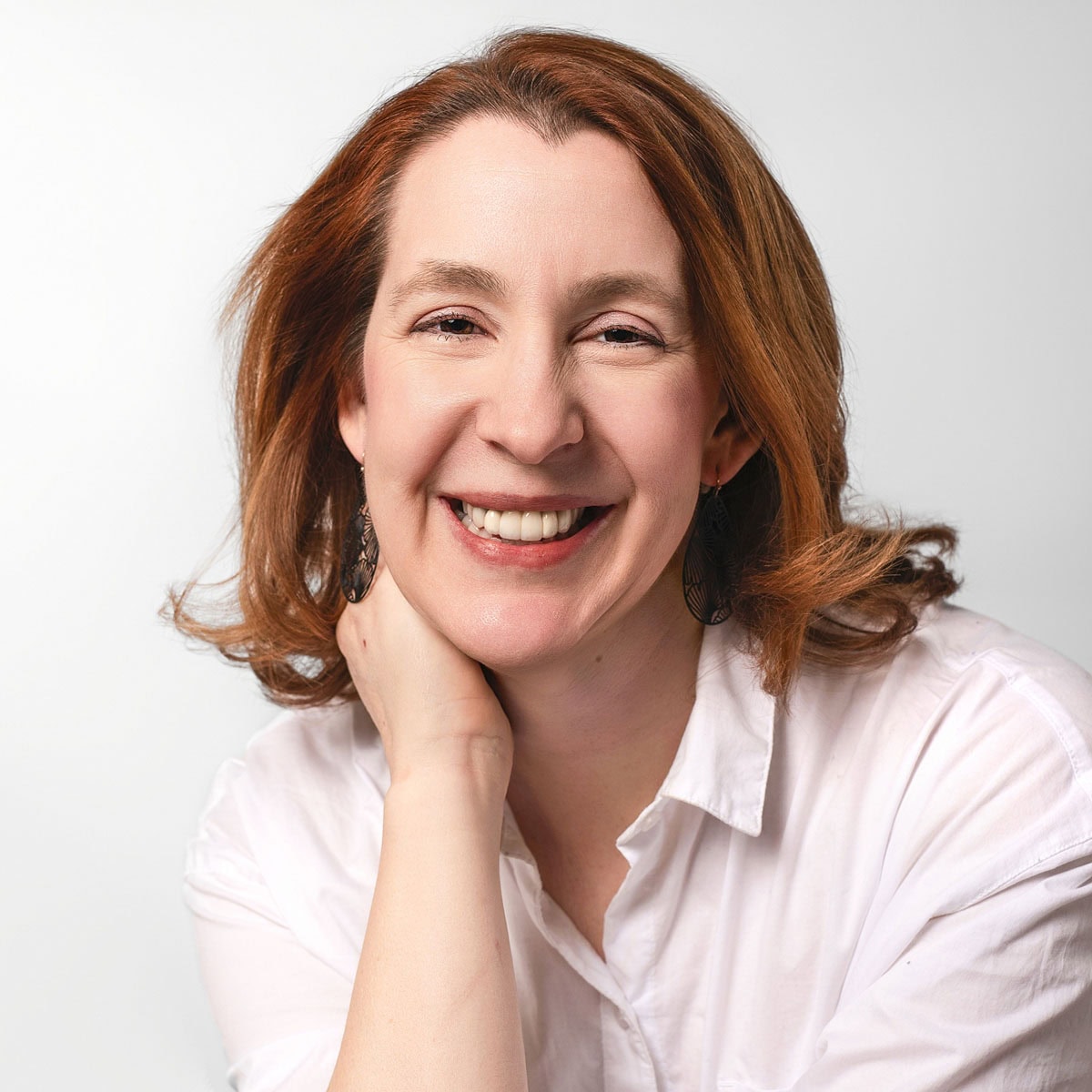 Carin McEvoy teaches K–5 elementary general music at Donley Elementary School in East Lansing Public School District (ELPS), Michigan. She also teaches early childhood music classes for children ages birth through seven years old at the Michigan State University Community Music School (MSUCMS), where she has been a member of the faculty for her entire 23-year career. She has also been a faculty member for the Gordon Institute for Music Learning (GIML) since 2017 and has served the Michigan Music Education Association (MMEA) in various positions since 2013. Her podcast, Playful Audiations, aims to make music play accessible to caregivers and educators alike.
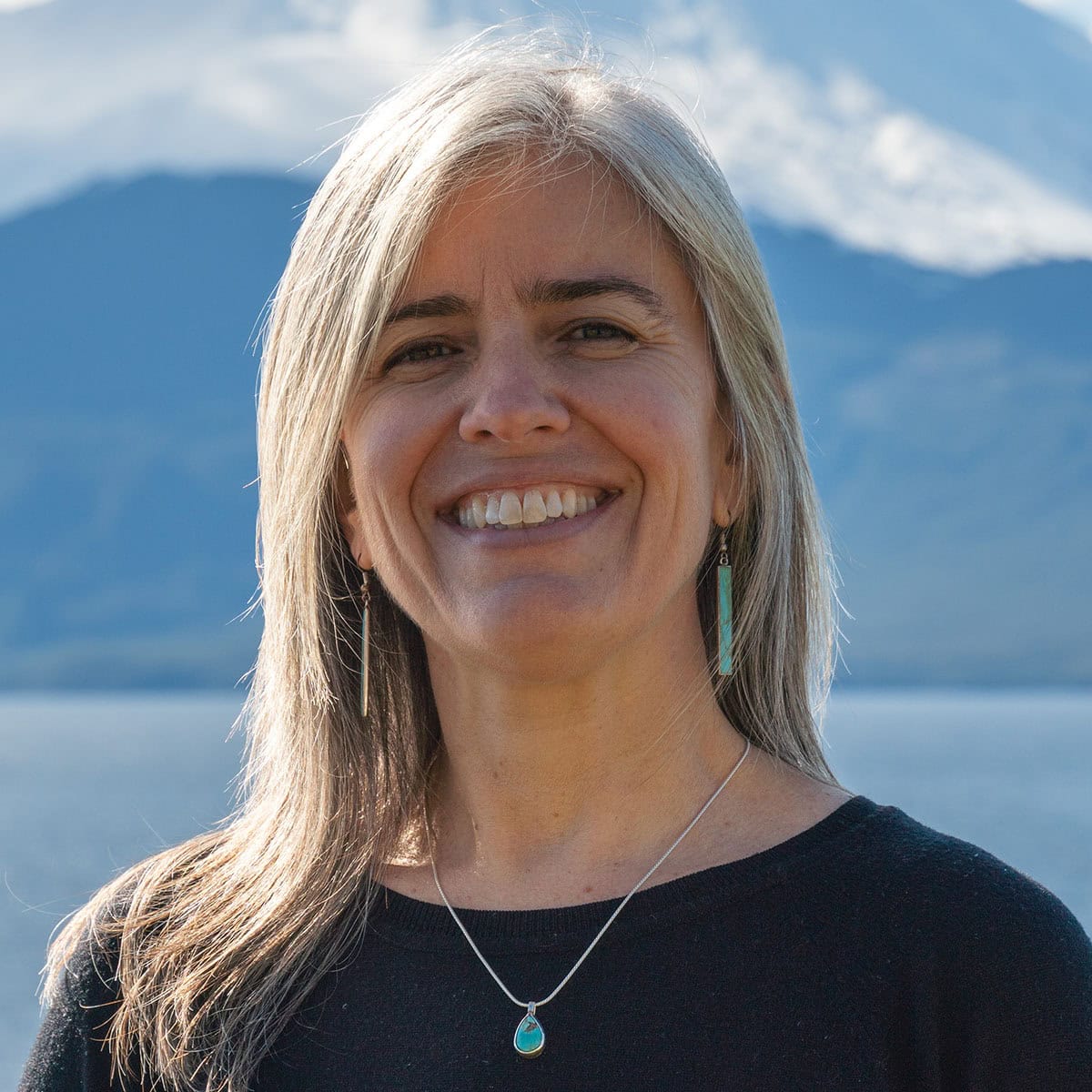 Lydia Mills directs the Instituto Kodály Fundación Ibáñez Atkinson in Santiago, Chile, and teaches TK–5th grade music and choir at Melrose Leadership Academy in Oakland, California. A professional singer-songwriter for more than 25 years, she has taught TK–6th grade music in bilingual schools in the Bay Area of California as well as in Santiago, Chile; led teacher training programs in the Kodály approach throughout Latin America; and started Kodály Institute training programs in Puerto Rico and Chile. She has self-published several music books and recordings of children’s music in Spanish for teachers and families, and she recently published La Magia de Kodály, a book on teaching music in Spanish.
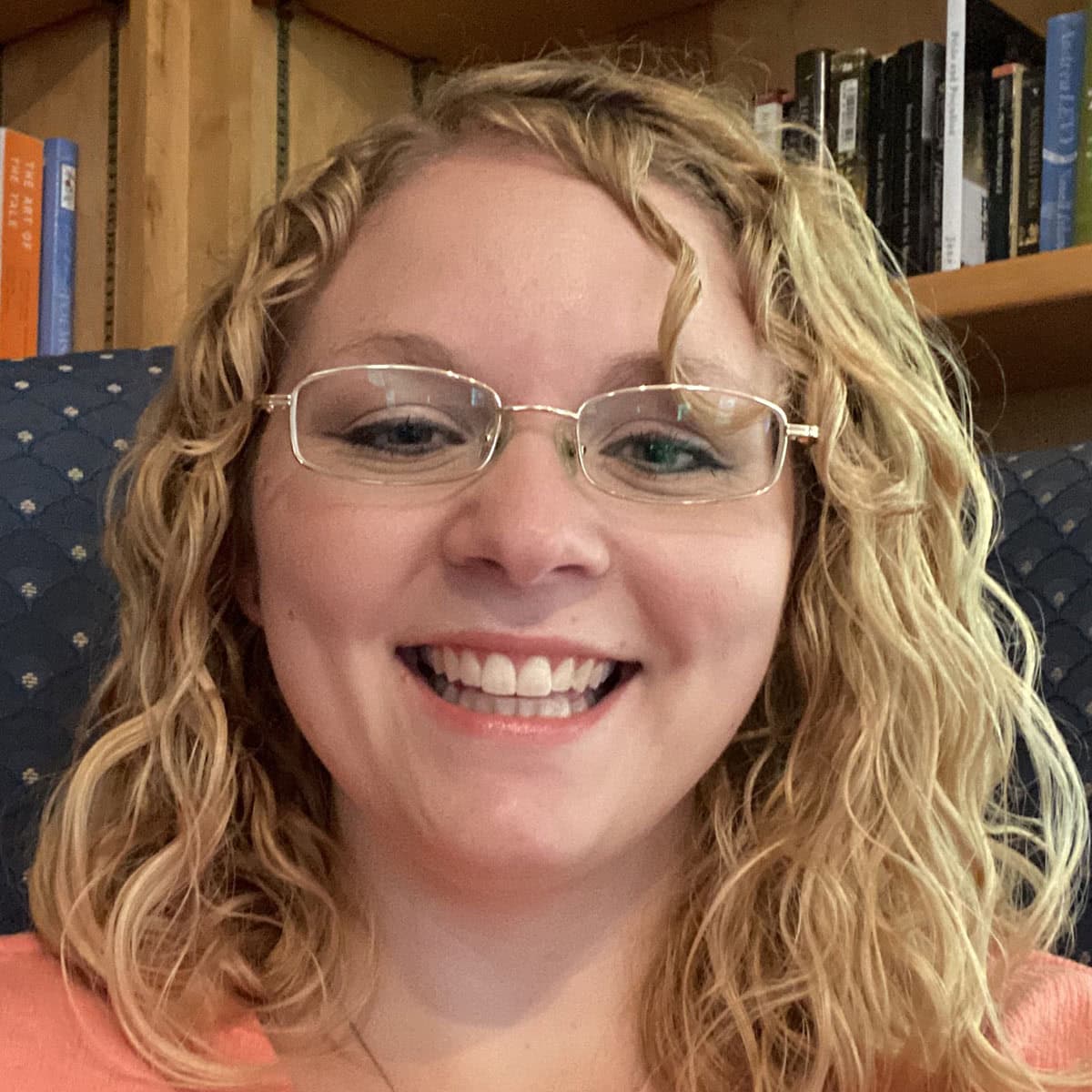 Christy Papandrea is a music educator and a doctoral candidate at Boston University pursuing a DMA in Music Education. Her dissertation examines Compassionate Music Teaching and Restorative Practices in secondary instrumental ensembles. She holds an MM in Music Education with an emphasis in Instrumental Conducting from The Hartt School, a BA in Music Education from Castleton University, and additional graduate coursework in Ethnomusicology and World Music at Liberty University. As Music Educator and Band Director at Proctor Junior-Senior High School in Vermont, she directs grades 7–12 instrumental and general music programs and leads multiple ensembles.
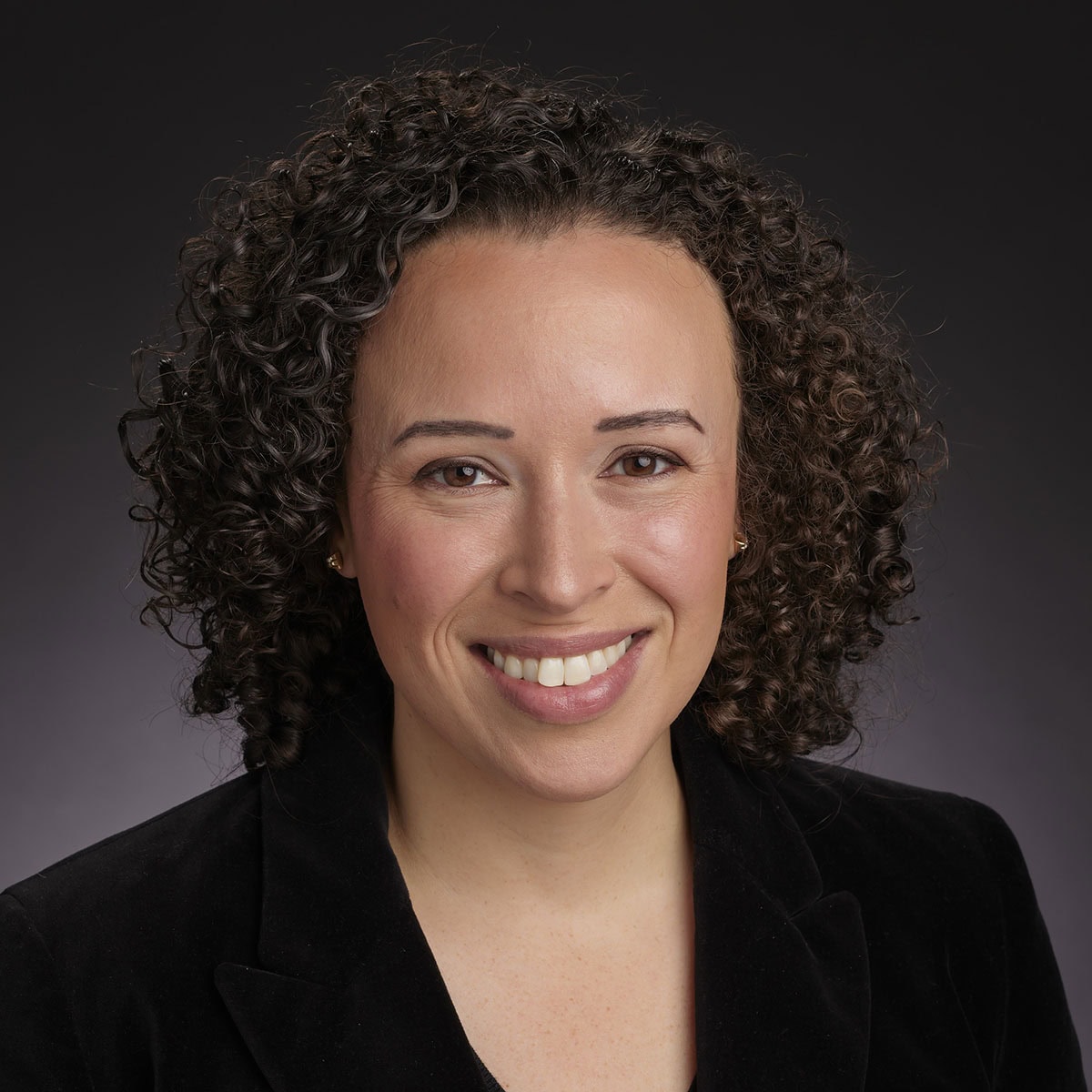 Jennifer Rozsa, Director of the Cleveland Orchestra Children’s Choruses, is an active performer, conductor, and teacher. She holds master’s and bachelor’s degrees in music education with a Kodály emphasis from Capital University and Orff-Schulwerk certification from the San Francisco Orff Course. Her experience includes teaching K–8 general music and choir in Ohio, California, and Chicago. A frequent presenter, she has led sessions at OMEA and OAKE and Orff-Schulwerk courses at Kent State and in Cincinnati. In 2024, she began her doctoral studies in music education at Kent State University.
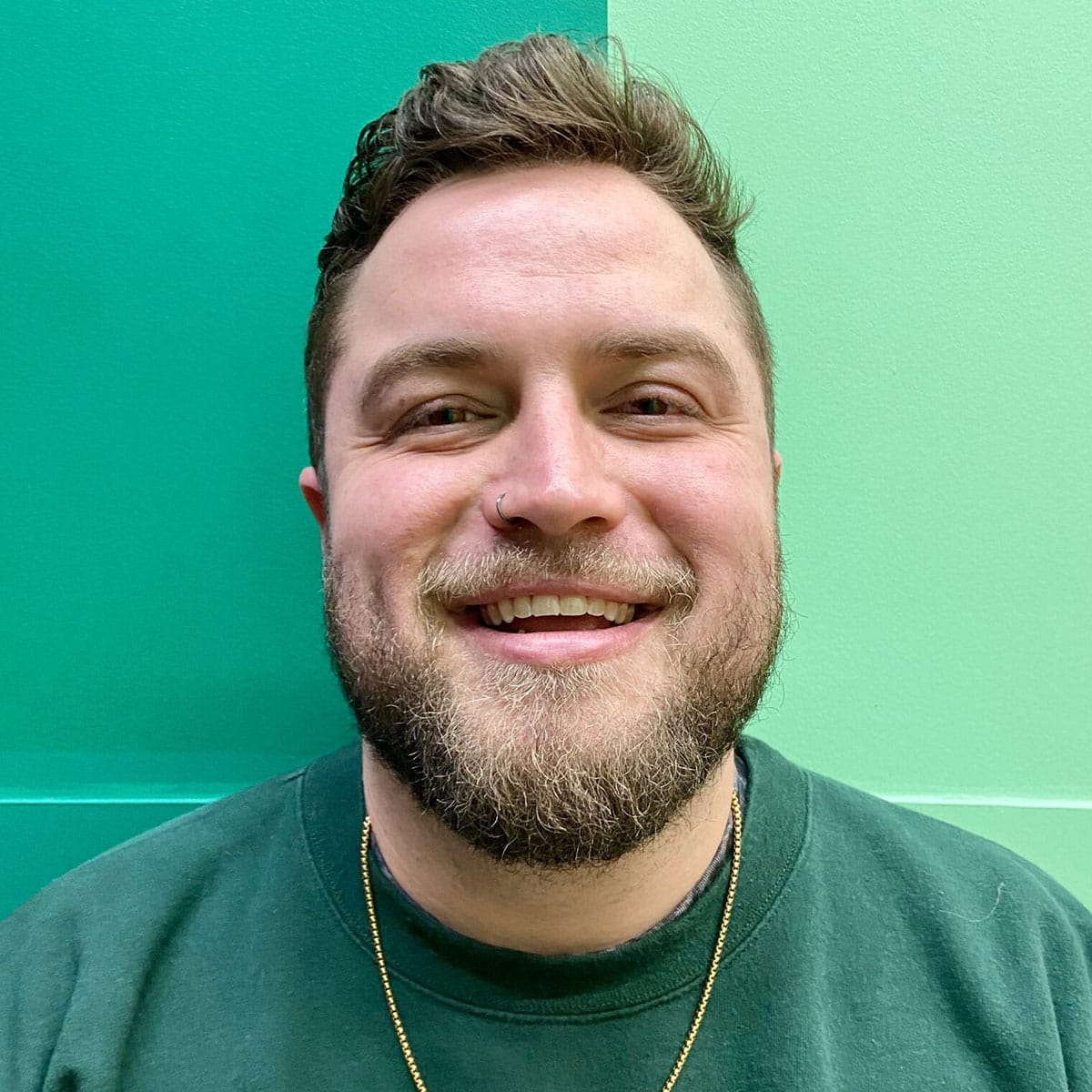 Matt Shea is in his eighth year teaching PK–5th grade general music at Frank Rushton Elementary in Kansas City, Kansas, public schools, where he hosts the Heart of America Orff chapter workshops. Matt attended Kansas State University and received a bachelor’s degree in music education, and he earned his master’s degree in music education from the University of Kentucky with a graduate certificate in Orff-Schulwerk. Matt completed his Orff-Schulwerk certification from Baker University and completed an Orff Master Class and attended the summer course in music and dance pedagogy from the Orff-Institute in Salzburg, Austria.
 Jazzmone Sutton is the Senior Manager of State Advocacy and Equity for the National Association for Music Education (NAfME). Before joining NAfME, she was a passionate elementary music educator and advocate. Recognizing the importance of creating a positive and supportive environment for others to thrive, she implements relational strategies to build connections and develop a collaborative spirit when assisting educators in their advocacy efforts across the nation. Although her current work takes her to communities throughout the country, she is proud to call North Carolina home. It was there that she cultivated her deep commitment to music education and advocacy.
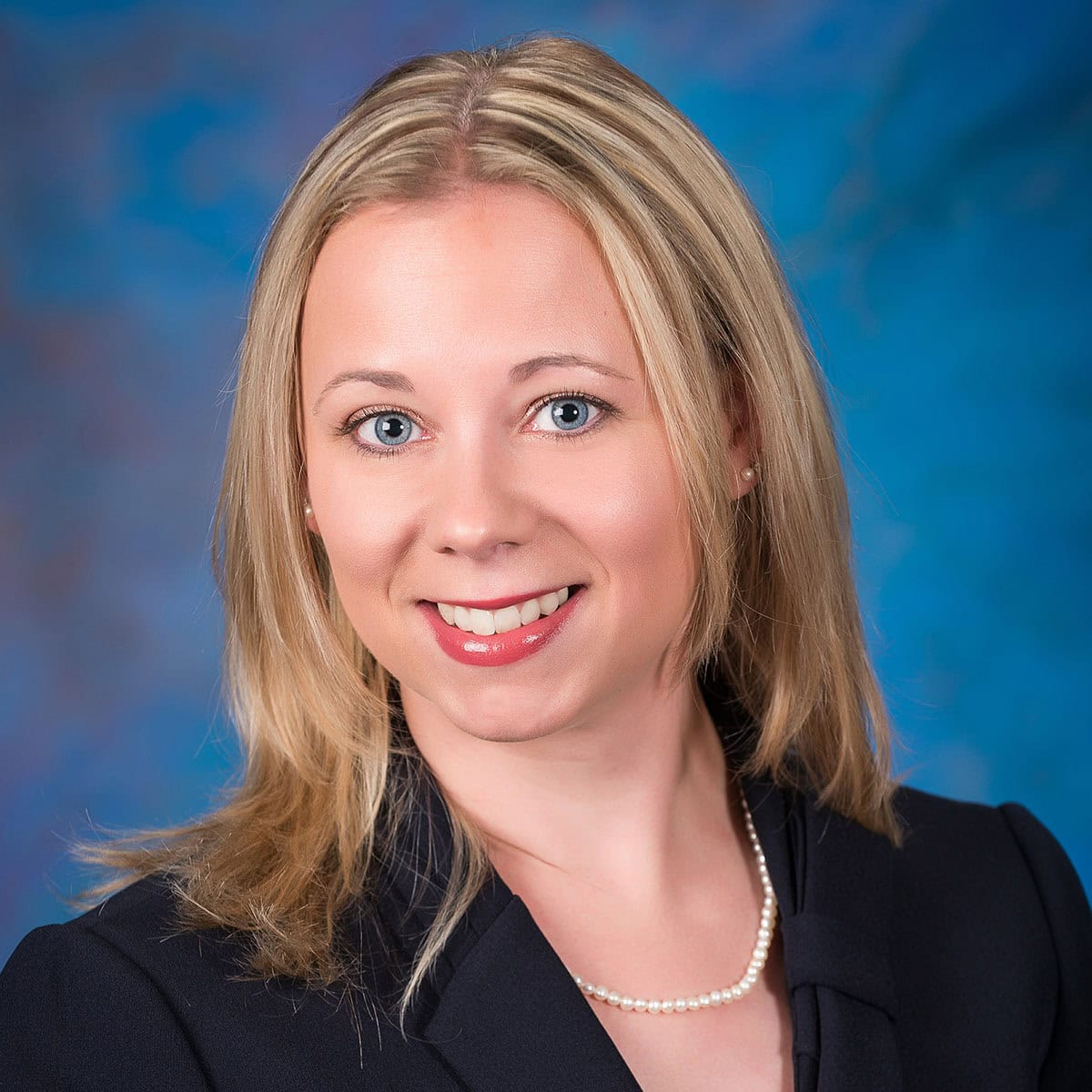 Sarah Watts is an Associate Professor of Music Education at Penn State University and is a specialist in early childhood and elementary music education. She holds bachelor’s and master’s degrees in music education from Penn State and a PhD from the University of Washington. Her current scholarly interests include world music pedagogy, care and empathy-building in music education, and global applications of puppetry. She is additionally the author of Volume I: Early Childhood Education of the Routledge World Music Pedagogy Series and co-author of Voice Collectors: Stories and Songs of Chinese Culture Bearers with Le Zhang.

Related Events
The Music Director’s Goal-Setting Blueprint
2026 NAfME Collegiate Leadership Advocacy Summit