Candidate for Division President-Elect
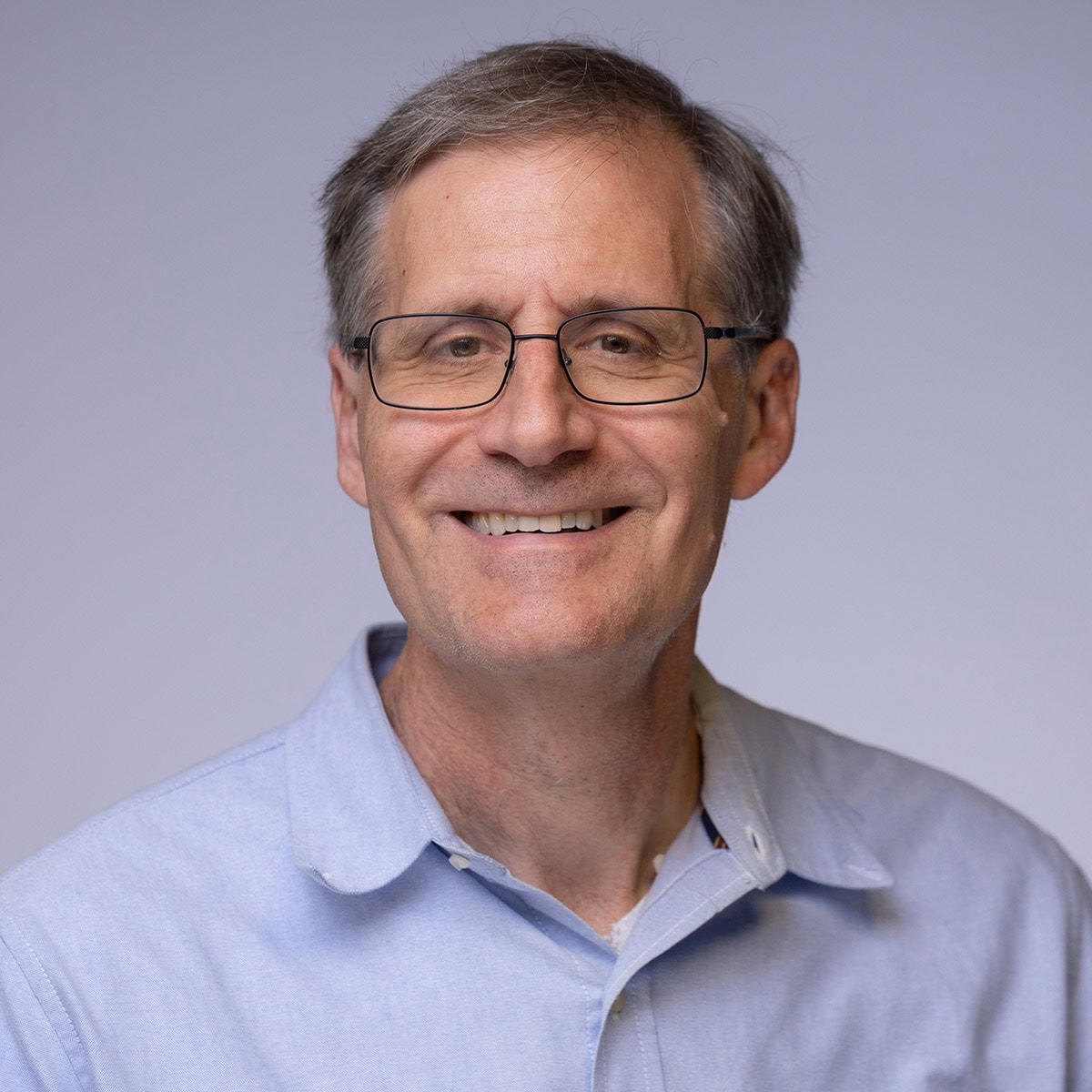
Daniel Hellman
- Southwestern Division
- NAfME
/ About / Person / Daniel Hellman
Biography
I believe that music education is one of the most powerful forces in a young person’s school experience and that the strength of our profession depends on our collective support of one another as music educators. That conviction has shaped my career from its beginning, and it is what draws me to this opportunity to serve the Southwestern Division.
I am Professor and Director of Music Education at Missouri State University, where I have taught since 2006. My career in music education spans more than three decades, beginning as an instrumental music teacher in Louisiana public schools before moving into higher education at Northwestern Oklahoma State University and Anna Maria College prior to joining MSU.
At Missouri State, I teach music education courses at both the undergraduate and graduate levels, which I truly value in being able to contribute to the future of the profession. My scholarship focuses on music teacher education, policy, advocacy, and social-emotional learning, with work appearing in the Journal of Research in Music Education, Music Educators Journal, Arts Education Policy Review, and numerous other peer-reviewed publications. I have presented at NAfME, ISME, and the Symposium on Music Teacher Education, and currently serve as a North American Representative for the ISME Commission on Policy: Culture, Education and Media.
At the state level, I have served as Missouri State Chair for the Society for Music Teacher Education (SMTE) since 2008 and as a member of the MMEA Advisory Board. I am an active member of the Missouri Alliance for Arts Education advisory board and collaborate regularly with these groups and a variety of other entities in the state.
Responses to Questions
- What do you see as the major challenges music education will face during your term and in what ways can you transform these into opportunities during your presidency?
I came to this profession because I believed music could make a real difference for students, and I still believe this deeply. However, the environment in which we do that work is changing in ways that require us to think carefully about the road ahead. Public education is under significant pressure as a result of curriculum narrowing, declining enrollment in K–12 schools and universities, and a teaching profession that is increasingly difficult to enter and sustain. These pressures are not unique to music and addressing them well means working on issues in music education as well as working alongside colleagues across disciplines.
- What do you see as the major challenges the association will face during your term and in what ways can you transform these into opportunities during your presidency?
NAfME does important work both seen and unseen that genuinely matters for our profession. One of the ongoing challenges is making sure that work reaches and resonates with the full range of music educators it is meant to serve. This is particularly important for music teachers in smaller districts, rural settings, and under-resourced communities across the division. Another challenge that we face is the ways in which divisive concepts laws in both formal and informal contexts are shaping music curriculum and opportunities for students. A third challenge that we face is increasing teacher burnout that is often accelerated due to increasing pressure and declining support in some places. Finally, the emergence of AI presents us with opportunities and many challenges. These and other issues are issues that we need to be willing to collaborate on and work collectively to find solutions.
As President, I want to strengthen the connections between NAfME’s national work and our state affiliates helping them to translate advocacy priorities, research findings, and professional resources into opportunities and initiatives and opportunities that are relevant and accessible for our needs. I would also listen carefully to what state leaders are hearing from their members and carry those voices into our regional and national conversations.
I believe that strong connections begin with trust. The Division President has a unique opportunity to be genuinely accessible to state leaders, working music teachers, and to our schools and universities. I would aim to build upon the work that has been ongoing and continue to move it forward.
- How do you plan to advance equity/DEIA in NAfME during your term of office?
Equity in music education is a question of who has access to quality programs, to the profession, and to the professional community. It is a question of belonging and acceptance. Unfortunately, there are many factors related to race, sex, gender, identity, native language, and ability that prevent access to music education. Providing space and opportunity to discuss these issues, promoting inclusive practices, and honoring the voices across the profession is a starting place for me. While not sufficient, I see this as an important beginning for working with others to remove barriers. Fostering an environment in which all potential and current teachers can see their authentic selves as part of their roles as music teachers is a value that our association should be constantly striving toward.
One of the places I feel most strongly about is the pipeline into the profession itself. We all know that qualified young people who might become exceptional music teachers are sometimes never identified, encouraged, or given the financial, logistical, or personal support needed to see teaching as a path that is available to them. Expanding our reach to all students, including those in non-traditional settings; supporting access to auditions and conferences and preparation programs; and actively welcoming all members and institutions into the professional conversation are all equity commitments with direct practical consequences for the future.
Mentoring is also an important part of advancing equity. Early career teachers who lack support are more likely to leave, and those teachers are disproportionately likely to be serving high need communities. When we invest in mentoring that empowers new teachers to build programs that genuinely reflect and serve their local communities we are investing in the students those programs reach. As Division President, my aim would be to bring this orientation into all that we do, consistently asking whether our programs, partnerships, and conversations are reaching the educators and communities who most need support, and working alongside state, regional and national leaders to address these issues.
Equity Statement
I believe that every student deserves access to a quality music education, and that music teaching should be accessible, sustainable, and welcoming to educators from all backgrounds and communities. Equity begins with honest attention to who is included and who is not in our programs, in our profession, and in our professional conversations. Working to close inequities require intentional outreach and hard work, not just good intentions.
I am also committed to equity in how we think about what music education looks like. When the profession defines legitimate practice too narrowly, it risks excluding the approaches that could make music education more relevant and accessible to students who have traditionally been underserved. Supporting teachers to build programs that reflect their local communities, their musical traditions, their cultural contexts, and their particular students is both an equity commitment and a sustainability strategy.
Finally, I see this work as part of something that connects us with teachers in other disciplines as well. The tradition of expanding access and opportunity that has driven public education is what we are striving for as we advocate for music is for every child. Defending and extending that tradition, in partnership with educators across disciplines and communities, is among the most important things we can do as an association.
The commitment to expanding access and opportunity that has driven American public schooling is the foundation that we strive for in music education. Every child needs music education, and music should be a solid part of the curriculum that is available in ways that can reach all students. Unfortunately, music programs are currently being stretched, threatened, and devalued in many places. We need to strengthen music education within the public education and build the cross-disciplinary relationships with our colleagues in other subject areas. We also need to confront those challenges that are impacting the ability of music educators to reach all students.
Within that context, one of the most concrete opportunities available to the Division is to support and expand the conversation about how we bring people into the profession and keep them there. NAfME’s Music Teacher Profession Initiative has done important work identifying barriers at every stage of a teacher’s journey — before, during, and after the degree program. The Division can play a meaningful role in extending that conversation to institutions and communities that have not yet been fully part of it, and in facilitating the sharing the effective mentoring models that states are implementing across the division.
The effective mentoring that takes place in our state associations should continue to support and welcome new teachers but also allow for new possibilities in music education. We can seek to use it to create space for new teachers to ask what could work, for their students, in their communities. New teachers bring creative energy and fresh ideas for reaching students in ways that deserve to be supported and developed, not only induct into the existing roles in the profession. Mentoring that honors both our established traditions and promotes new ideas can support teachers who are more likely to build programs that are sustainable, relevant, and genuinely connected to the communities they serve.
Leadership Statement
I came to music education as profession because I believe that it makes a genuine difference in students’ lives. For me this starts with caring about the teachers who do the work every day, the institutions that prepare them, the communities they serve, and the professional structures that support and hinder music education. I see myself as most effective when I am listening carefully, connecting people and ideas, and helping to create conditions for collaboration. I come with a genuine interest in what music educators across the Southwestern Division are experiencing and what they need, and a commitment to carrying those perspectives to the appropriate regional and/or national conversation. I see the Division President’s role is fundamentally a bridging role, and I would embrace it as such.
Job Position
Professor and Director of Music Education
Organization
Missouri State University