RESOURCES
The Importance of Equity in My Walk

James Daugherty
December 2, 2023
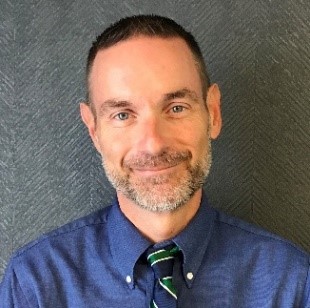 Hearing Maya Angelou’s words, “Do the best you can until you know better. Then when you know better, do better” has left a very deep and lasting impact on me and particularly my desire to learn more about equity as well as how to grow in equity work. Learning and growing in equity work is important to be a better person in all spaces. That’s especially important in roles where I represent or lead students or colleagues.
Experiences shape internal beliefs and values. Past experiences have created meaning deep inside me. Eventually these experiences will shape how I interact with and influence others. Those things deep inside will eventually come forward for all to see and hear. This means we need to be open to understanding and sometimes questioning our why and our how. Being reflective is a cornerstone to begin an equity understanding and journey as educators and leaders.
To begin this work, it has been important for me to acknowledge that being a mature age white male places me in a position of influence. Because of this position of influence, it is critical to consciously examine internal feelings, thoughts, and opinions. This examination leads to a more clear understanding of how I demonstrate these internal traits to other people and in spaces different from my zone of comfort.
Experiences shape internal beliefs and values. Past experiences have created meaning deep inside me. Eventually these experiences will shape how I interact with and influence others. Those things deep inside will eventually come forward for all to see and hear. This means we need to be open to understanding and sometimes questioning our why and our how. Being reflective is a cornerstone to begin an equity understanding and journey as educators and leaders.
As a kid growing up in the mountains of North Carolina, there weren’t very many people that didn’t look like me; however, there were certainly people that had more than me. I certainly did not feel I influenced anyone. Back then I wouldn’t have been able to define it but today, “had more than me” references things like money, status, and power. When younger, I don’t really remember referencing life through those lenses or with those names. I have distinct memories of feeling excluded by people who seemed more important than me or who did or said things that suggested they were valued more than me.
Those who “had more than me” were influencers who often chose not to include me because they decided I did not belong to their status group, power group, etc. To paraphrase to Dr. Angelou, I definitely remember how others made me feel and I carry that with me today. By reflecting on equity more in my day-to-day life, I’m learning more about the importance of being intentional to stop and consider how words and actions not only influence but impact others. I want to use struggles that shaped my life from school-aged years and into adulthood to be a firm foundation for my own equity journey – even struggles yet unshared.
By reflecting on previous moments of influence in my life, I recall conversations, rooms, and groups where words have been spoken or actions made that placed a less than value on someone other than the speaker or center of attention. What I recognize more and more every day through my equity understanding and journey is that we never know the struggles of any person in our spaces. Too often generalizations and assumptions are made. Without care, mundane actions can diminish another person. Others look to me to see how or even “if” they should respond. We all have a role in creating equity around us if we truly seek to uplift and support people.
As we grow older and find our place in life through the jobs we hold, the people with whom we chose to spend our time, and the things we say and do, others watch us. I’ve often heard the adage spoken, “actions speak louder than words.” There’s no question that one’s actions do tell a story and paint a picture. But, we cannot diminish the power afforded to us through our words and speech. Equally, the things we do not say are just as powerful as those spoken because silence is an action.
Not too many years ago I recall experiencing my very first privilege walk activity at a gathering of music leaders. As all of us in the room began to respond to statements about various privileges, such as, “If you are a white male, take one step forward.” After a long series of statements, I found myself in the back of the line alongside a colleague who does not resemble me while others were leaps and bounds ahead. This was a real turning point in that I had never thought a lot about how power and privilege impacted my life or the lives of those around me. Most importantly, the experience revealed to me that we can all wind up in an inequitable place for a variety of reasons.
Doing my best means that I want to understand equity more by listening with intent, sharing, and learning more. Only then can I do better and be better.
What motivates me tremendously about equity work is doing my best to be better and to not consciously (and learn to not unconsciously) place others in an inequitable place or position. With regard to this work, I fear not doing the right thing and I know I have and will make mistakes. The work is not easy and often uncomfortable as we expose things we never knew we thought, felt, or had heard ourselves say. Grappling is hard but critical to growth. However, I am more fearful of knowing I can do better for those around me and in shared spaces yet consciously making a choice to not do better. My best is not enough. Getting better is.

Explore More