NAfME BLOG
Excellent at Music, or Excellent at Making Music Matter?
A Love for People
Part One of a Two-Part Series
By NAfME Member Dr. José Valentino Ruiz
I am increasingly convinced that the answer to maintaining relevance, contributing to the future of music, and perhaps even helping define what that future looks like comes down to one common denominator: a love for people.
Not simply a love for music, artistic achievement, professional recognition, disciplinary expertise, or technological innovation. Although these pursuits are extraordinarily important, I believe the future of music will be shaped most profoundly by those whose commitment to people exceeds their attachment to any particular musical discipline.
When I consider the greatest musicians throughout history, both celebrated and unknown, I suspect many have understood this principle intuitively. Their significance was not limited to what they could perform, compose, produce, or explain. It also emerged from their ability to recognize something about the human experience and communicate it through music.
That observation raises a question I believe deserves far more attention within our institutions of higher learning: Are we preparing students to become excellent at music, or are we preparing them to become excellent at making music matter?
Ideally, we should be doing both.
When Excellence Becomes the Destination Rather Than the Foundation
Universities and conservatories have made extraordinary contributions to the development and preservation of musical knowledge. Their commitment to technical proficiency, scholarly rigor, artistic refinement, and disciplinary specialization has helped generations of musicians achieve remarkable levels of excellence.
However, I wonder whether our educational systems have become so preoccupied with cultivating skills, maintaining institutional prestige, and competing for student recruitment that we sometimes overlook a more fundamental responsibility: preparing musicians to understand the people and communities their work might serve.
We celebrate the difficulty of repertoire, the selectivity of auditions, the sophistication of curricula, the accomplishments of faculty, and the prestige of institutional affiliations. These are legitimate indicators of educational quality, but they are not comprehensive measures of professional preparation or human impact.
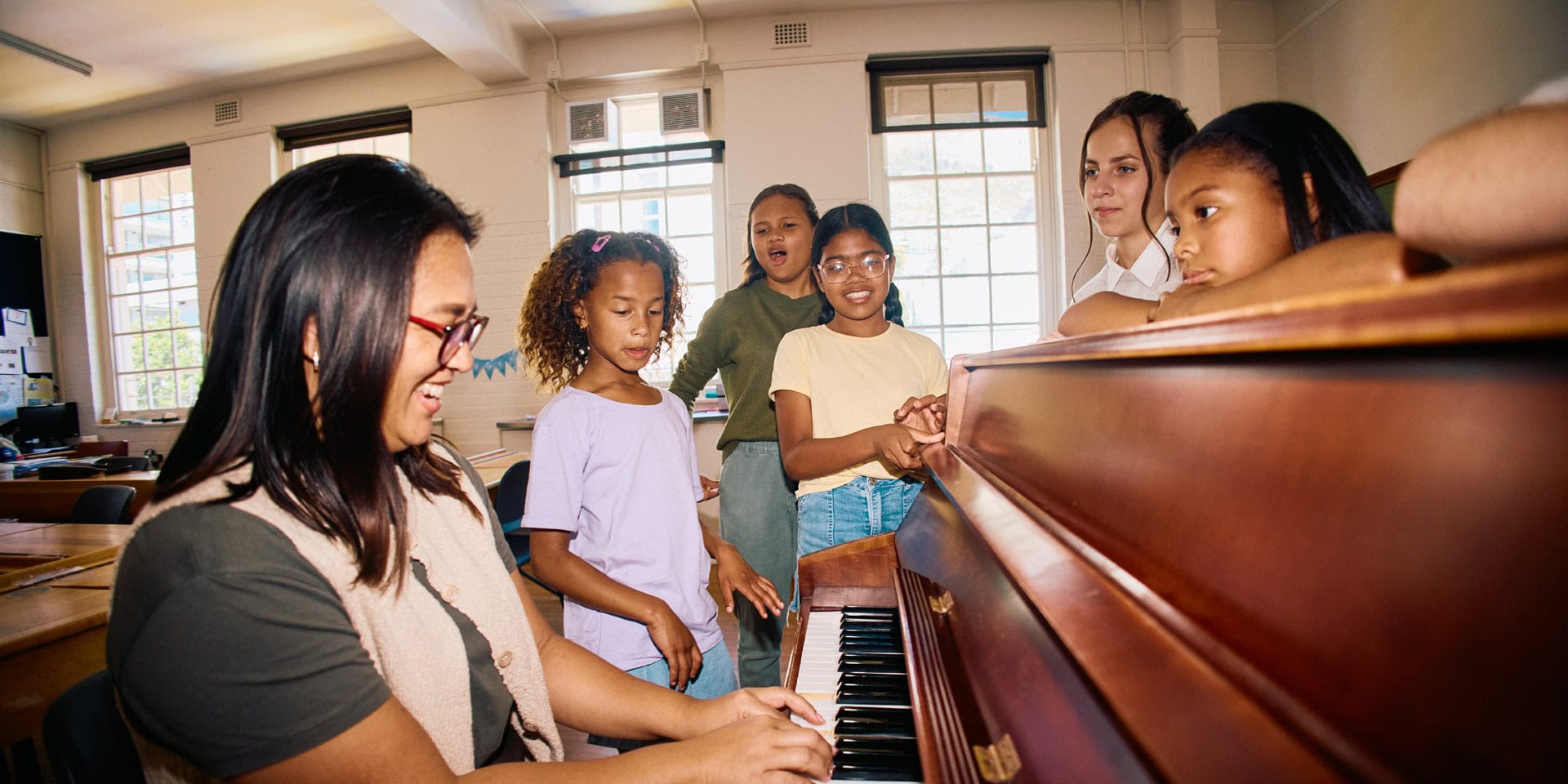
And this is not only a question for universities. It begins in our elementary, middle, and high school rehearsal rooms, where students first learn whether music is something they perform for a grade or something that connects them to other people. Long before a student chooses a conservatory, a teacher has already shaped their answer to that question.
For years, musicians have expressed concerns about limited professional opportunities, financial instability, changing audience behaviors, technological disruption, and the growing difficulty of sustaining careers through traditional performance pathways. Yet we must ask whether our educational responses have sufficiently addressed the underlying problem.
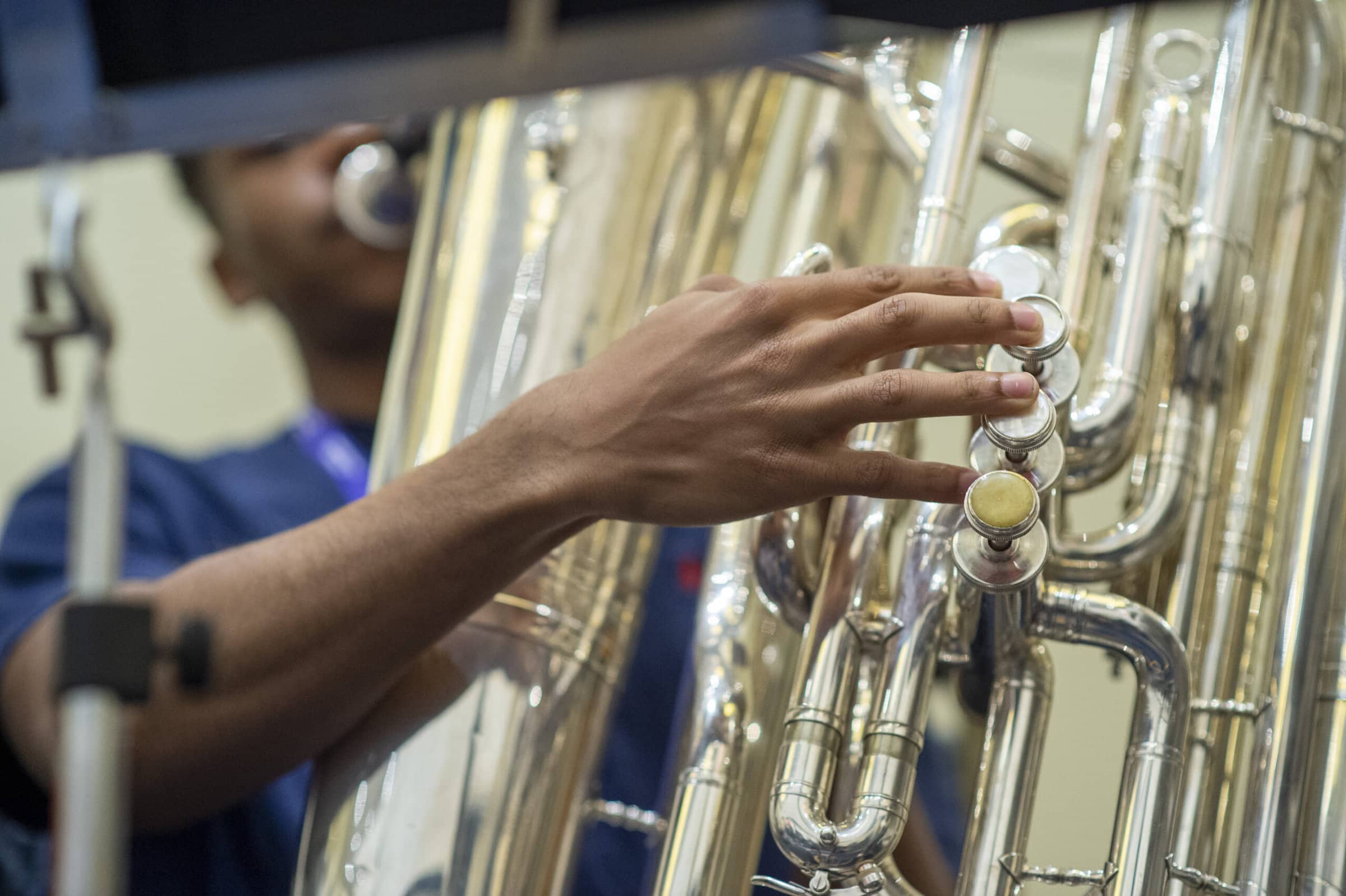
Photo: Lisa Helfert
We cannot continue treating the development of musical proficiency as though it automatically produces professional opportunity. Nor can we assume that because someone has invested thousands of hours in mastering a discipline, the world is somehow obligated to compensate that person for the effort. That may sound uncomfortable, but it is a distinction worth confronting.
The world does not compensate us simply because we possess expertise. Compensation becomes possible when others recognize sufficient value in what that expertise makes possible.
This is not to suggest that every meaningful musical contribution must be commercially profitable. Some of the most consequential artistic experiences are supported through philanthropy, public investment, institutional funding, community partnerships, or personal generosity. Rather, it is to recognize that sustainable opportunities generally depend upon relationships between what we offer and what other people, organizations, or communities find valuable enough to support.
And that relationship begins with understanding people.
Beyond What You Do: Whom You Serve
One of the most important shifts we can encourage in the next generation of musicians is moving beyond the question of what they want to do and toward a deeper investigation of whom they hope to reach.
A student might say, “I want to become a composer.” Wonderful. But for whom are you composing? What experiences do you hope to create? What human needs, questions, aspirations, or circumstances might your compositions address? Where might your music become meaningful? Who might benefit from hearing it, performing it, studying it, or simply encountering it?
The same questions apply to performers, producers, researchers, educators, technologists, and virtually every other musical specialization.
This requires something more than market research or professional networking. It requires what I would describe as an investigative heart: a genuine curiosity about people, their circumstances, their histories, their preferences, their challenges, and the ways music already functions within their lives.
We frequently imagine an intended audience before creating a musical work. We develop assumptions about who might listen, what they might appreciate, and how they might respond. These assumptions are useful starting points, but they remain hypotheses.
Actual audiences often emerge through unexpected relationships, circumstances, and experiences. Someone we never imagined reaching may discover profound meaning in something we created for an entirely different purpose.
In that sense, understanding audiences involves both deductive and inductive reasoning. We begin with expectations, but we must remain attentive to what emerges through observation, engagement, and experience.
The goal is not necessarily to change our artistic identity to satisfy every preference or trend. That would reduce human-centered creativity to an exercise in accommodation. Instead, we learn to recognize where our authentic artistic contributions intersect with the lives of others.
We do not always get to choose who finds meaning in our music. But we can choose how seriously we take the responsibility of understanding those who do. That understanding can influence how we compose, perform, produce, communicate, distribute, teach, and develop musical experiences. It can also reveal opportunities that would never have emerged had we remained exclusively focused on our preferred artistic activities.
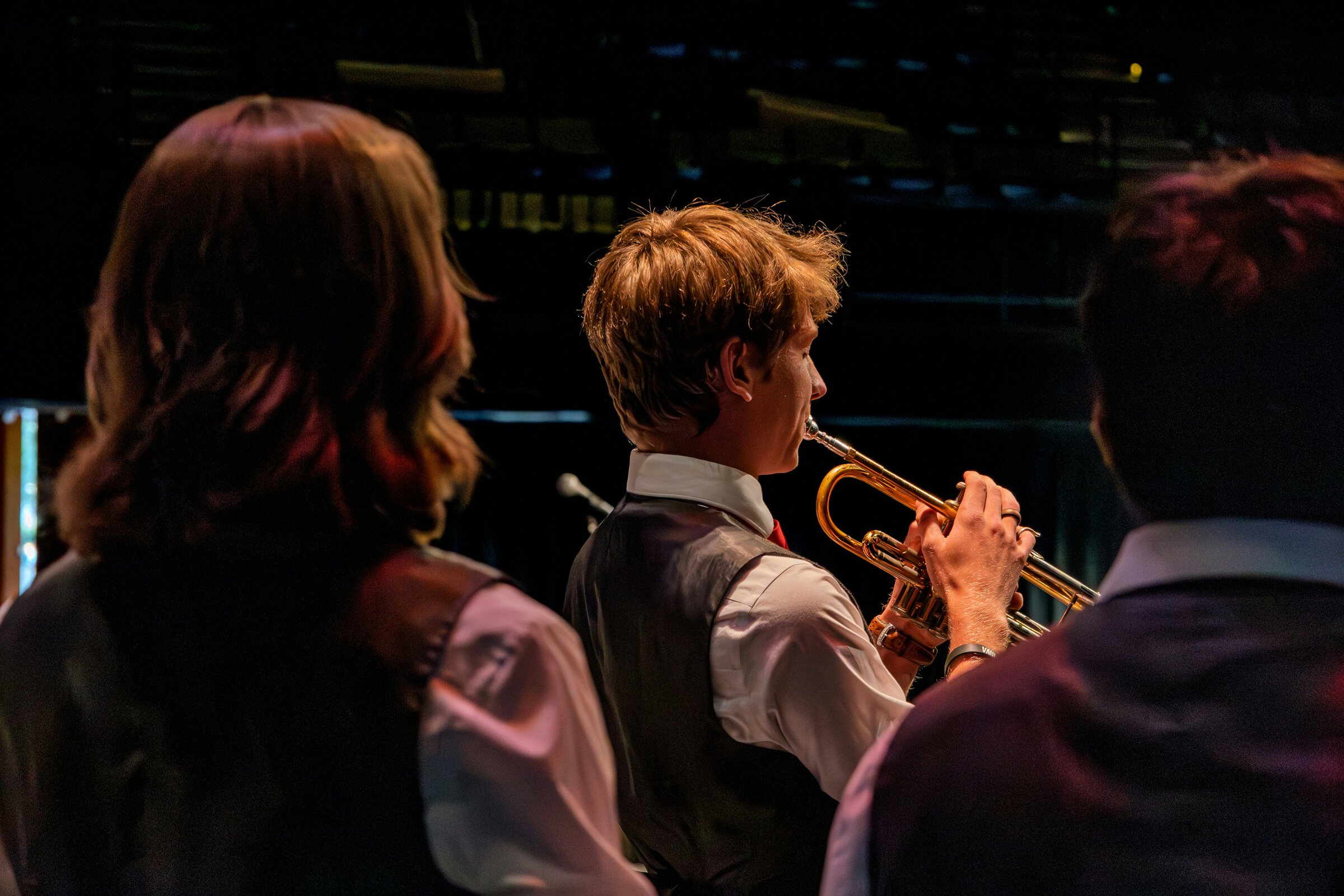
When Human Purpose Becomes the Foundation, Opportunities Become Possible
Imagine what might happen if we approached music entrepreneurship, education, therapy, production, research, and performance not simply as separate professional categories, but as different expressions of our capacity to contribute to human life.
Business could become a means of sustaining and expanding meaningful artistic relationships. Education could become a means of empowering people to discover and develop their own capacities. Music therapy, within its distinct clinical and professional scope, could provide structured interventions supporting therapeutic goals. Research could help us understand the mechanisms, possibilities, and limitations of music’s influence on human experience. Composition could become an intentional response to circumstances, questions, and experiences that deserve artistic expression.
These disciplines would not lose their distinct identities or standards. Instead, their purposes would become more clearly connected to the people they serve.
Commercial success, institutional support, professional recognition, and financial compensation might then emerge as consequences of creating and communicating value, although never as guaranteed outcomes. This distinction is essential.
I am not suggesting that loving people automatically produces financial prosperity or that meaningful artistic work will inevitably attract an audience. I am suggesting that understanding people gives us a more informed foundation for developing opportunities than simply expecting the world to reward our expertise.
The opportunity is not merely to become better musicians. It is to become better at understanding where our musicianship can make a difference.
(Read Part 2 next week.)
About the Author
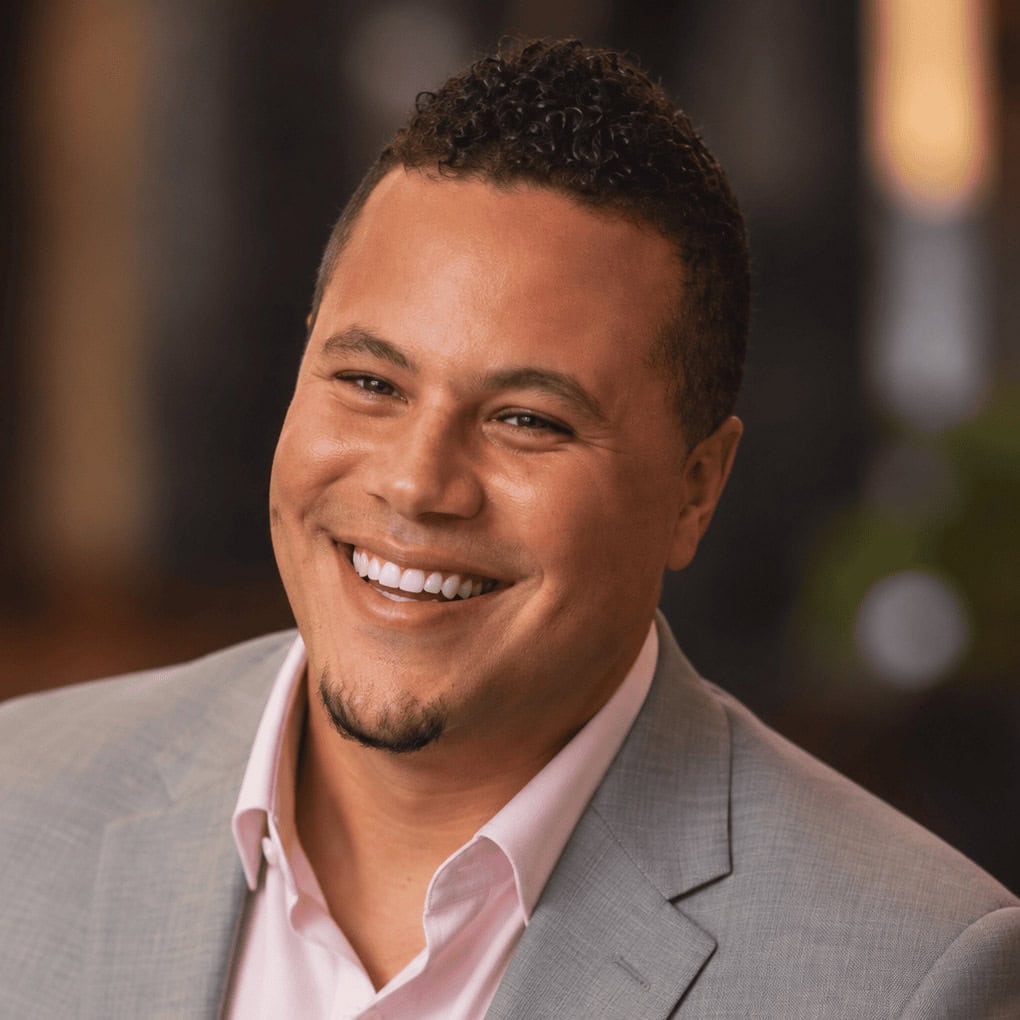 NAfME member Dr. José Valentino Ruiz is a multi-Latin GRAMMY®-winning and multi-Global Music® Award-winning bassist, multi-instrumentalist, composer, producer, and educator. He is an Associate Professor and Founder/Coordinator of Music Business & Entrepreneurship at the University of Florida, a U.S. Department of State U.S. Speaker on Creative Economy and Global Arts Entrepreneurship, and an internationally active recording and performing artist. Ruiz also serves in editorial, research, and interdisciplinary leadership roles spanning music, creative industries, entrepreneurship, artificial intelligence, healthcare, and cultural diplomacy.
Did this blog spur new ideas for your music program? Share them on Connect! Interested in reprinting this article? Please review the reprint guidelines.
The National Association for Music Education (NAfME) provides a number of forums for the sharing of information and opinion, including blogs and postings on our website, articles and columns in our magazines and journals, and postings to our Connect member portal. Unless specifically noted, the views expressed in these media do not necessarily represent the policy or views of the Association, its officers, or its employees.