NAfME BLOG
When Your Reputation Becomes Someone Else’s Opportunity

Why the Highest Expression of Professional Success May Be Opening Doors for Others
By NAfME Members Dr. José Leonardo León and Dr. José Valentino Ruiz
Every aspiring musician dreams of receiving that phone call. An invitation to perform, record, tour, or collaborate with respected professionals represents the culmination of years spent practicing, studying, developing relationships, and establishing credibility in an industry where opportunities are rarely guaranteed. Much of our professional preparation centers on becoming sufficiently accomplished and dependable to receive these invitations. Yet there is another dimension of career development that deserves greater attention in music education: the point at which the reputation we have spent years cultivating becomes a resource for creating opportunities for others.
This transition represents an important evolution in how we understand professional success. Early in our careers, we understandably measure progress through the opportunities we earn, the relationships we establish, and the accomplishments we accumulate. As our careers mature, however, another question becomes increasingly relevant: What are we doing with the professional credibility we have earned? The answer has significant implications not only for our individual careers but also for how we prepare the next generation of musicians and music educators.
Professional Reputation Is More Than Recognition
Music educators frequently encourage students to develop their professional brands, expand their networks, and establish themselves within the industry. Although these activities are important, reputation should not be confused with visibility. Being recognized is not necessarily the same as being trusted. A musician may possess an impressive résumé, substantial social media following, or prestigious performance credits without having established the professional consistency that inspires others to place confidence in their judgment.
Genuine professional credibility develops through accumulated evidence. It emerges when musicians consistently arrive prepared, fulfill commitments, demonstrate artistic excellence, communicate effectively, respect colleagues, and deliver what they promise. This understanding aligns with the concept of social capital, which Nahapiet and Ghoshal (1998) examine as resources embedded within relationships and networks that facilitate the creation and exchange of knowledge. Applied to the music and music education professions, their framework helps explain why professional relationships possess value beyond individual recognition. Trust developed through consistent professional conduct can facilitate collaboration, knowledge exchange, and access to opportunities that extend beyond one’s immediate accomplishments.
This distinction is especially important in music education because professional credibility cannot be manufactured through branding alone. Marketing may communicate an individual’s qualifications, but sustained professional conduct ultimately determines whether those claims are believed. When educators help students understand this difference, they shift the emphasis from appearing successful to becoming demonstrably dependable.

Photo: Peter Muller/Connect Images via Getty Images
From Accumulating Opportunities to Creating Access
One of the more meaningful developments in a musician’s professional life occurs when established relationships begin creating opportunities beyond their own participation. A performer who cannot accept an engagement may recommend a qualified colleague. A producer may introduce an emerging engineer to a recording opportunity. An educator may connect a promising student with an ensemble director, contractor, or industry professional. These seemingly ordinary decisions can have significant consequences for individuals seeking entry into competitive professional environments.
Sociologist Mark Granovetter’s (1973) influential work on the strength of weak ties provides a useful perspective on this process. His research emphasizes the importance of connections that bridge otherwise separate social networks, particularly in facilitating the circulation of information and access to opportunities. Within the music industry, an educator’s professional relationships may connect students with individuals and organizations beyond their existing networks. Such introductions do not guarantee employment, but they can create opportunities for emerging musicians to demonstrate their capabilities in professional settings they might otherwise struggle to access.
These actions represent a form of professional stewardship. Rather than treating accumulated relationships exclusively as personal assets, established musicians recognize that their credibility can help qualified individuals gain consideration. This does not mean surrendering one’s professional ambitions or indiscriminately recommending others. It means exercising influence with discernment, generosity, and an understanding of the responsibilities accompanying professional trust. For music educators, this perspective expands mentorship beyond instruction and encouragement to include the responsible facilitation of professional access.
A Recommendation Opens the Door; Preparation Keeps It Open
Professional referrals introduce an important distinction between access and sustainability. An established musician’s recommendation may persuade a contractor to consider an emerging professional, but that recommendation cannot guarantee future engagements. Once an opportunity is presented, the responsibility shifts to the individual receiving it. Preparation, musicianship, punctuality, communication, adaptability, and professional conduct ultimately determine whether an initial introduction develops into a lasting professional relationship.
This leads to a principle we believe every emerging musician should understand:
Someone else’s reputation may help you receive the first call, but only your own can earn you the second.
The statement captures the relationship between mentorship and accountability. Professional networks can facilitate access, but they cannot replace competence or sustained excellence. Every engagement becomes an opportunity to establish independent evidence of professional value.
Educators must also recognize that recommendations carry responsibilities for the individuals providing them. Referrals should reflect an informed assessment of a student’s readiness for a particular engagement rather than personal affection, institutional loyalty, or a general desire to help. Responsible mentorship requires knowing when students are prepared to represent themselves professionally and when additional development may be necessary. Our responsibility is not simply to open doors, but to help ensure that those entering are prepared for the expectations awaiting them.
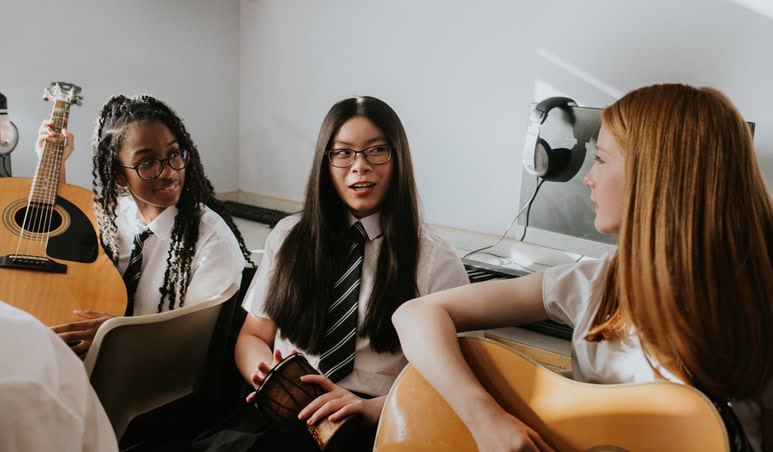
Photo: Catherine Falls Commercial/Moment Collection via Getty Images
Teaching Students to Become Opportunity Creators
These principles should influence how we design professional preparation in music education. Beyond assessing artistic performance, educators can reinforce the behaviors that establish credibility, including dependability, effective communication, collaborative problem-solving, and follow-through. Authentic professional experiences, such as community performances, recording projects, internships, and collaborations with working musicians, provide opportunities for students to demonstrate these qualities in environments where expectations extend beyond the classroom.
Higgins and Kram (2001) offer an additional perspective through their developmental network approach to mentoring, which recognizes that professional development can be supported by multiple relationships rather than dependence on a single mentor. For music educators, this framework reinforces the importance of helping students cultivate diverse professional connections while developing the judgment necessary to maintain them. Students should learn not only how to receive mentorship, but also how to contribute meaningfully to professional relationships through reciprocity, reliability, and shared professional interests.
Equally important, we should teach students how to navigate the responsibilities accompanying professional introductions. Understanding compensation, contractual obligations, rehearsal expectations, professional etiquette, and relationship management prepares students to convert initial opportunities into sustainable careers. We should also encourage them to recognize that professional advancement eventually creates opportunities to support others. Recommending qualified colleagues, sharing appropriate professional contacts, and connecting emerging artists with meaningful engagements should be understood as practices that strengthen the musical profession.
The Legacy of Opening Doors
Music educators often measure their professional legacy through artistic achievements, institutional contributions, and the accomplishments of their graduates. Yet another dimension of legacy deserves recognition: the extent to which our accumulated credibility helps others establish meaningful careers. Professional relationships become particularly valuable when they function not merely as evidence of personal success, but as bridges connecting preparation, talent, and opportunity. This requires a broader understanding of professional achievement, one that recognizes the value of what our success makes possible for others.
Ultimately, our responsibility extends beyond helping students become employable musicians. We should prepare them to develop trustworthy professional identities, sustain the opportunities they receive, and eventually exercise their own influence responsibly. The highest expression of professional achievement may not be the number of invitations we accept, the stages on which we perform, or the accolades we accumulate. It may be reaching a point when the credibility we have earned allows us to help someone else take the next step in their professional journey.
The question, then, is not simply how many doors our reputation has opened for us, but how many we have helped open for others.
References
- Granovetter, M. S. (1973). The strength of weak ties. American Journal of Sociology, 78(6), 1360–1380.
- Higgins, M. C., & Kram, K. E. (2001). Reconceptualizing mentoring at work: A developmental network perspective. Academy of Management Review, 26(2), 264–288.
- Nahapiet, J., & Ghoshal, S. (1998). Social capital, intellectual capital, and the organizational advantage. Academy of Management Review, 23(2), 242–266.
About the Authors
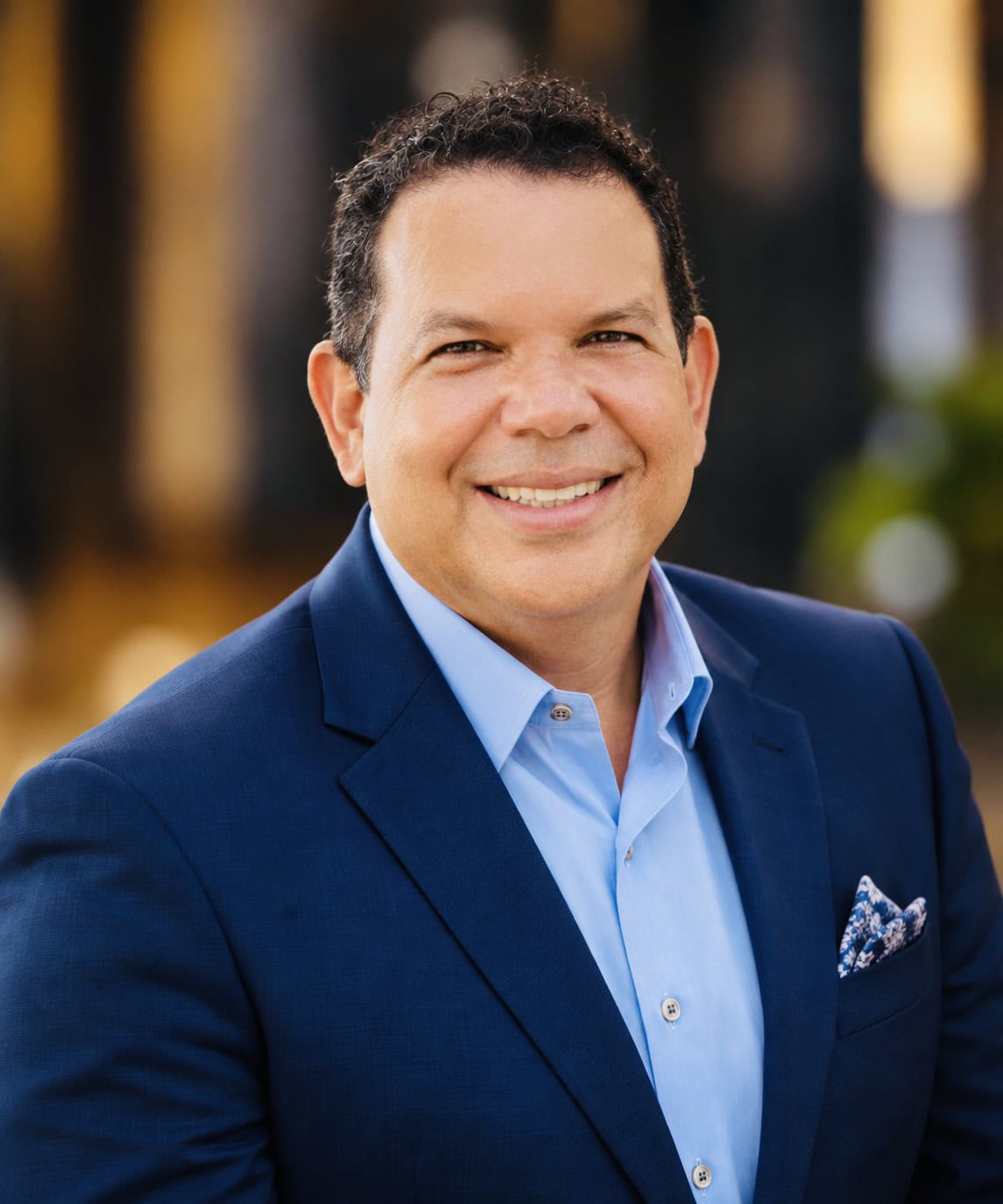 NAfME member José Leonardo León, D.M.A., is a Latin GRAMMY® Award-winning album trombonist and a multi-Global Music® Award-winning composer, producer, and performing artist. Dr. León serves as Assistant Professor of Music Entrepreneurship and Trombone at Florida Atlantic University, where he also founded and coordinates the Art Performance and Entrepreneurship Initiative. This innovative program offers certificates and minors within the discipline, empowering students to merge artistry with business acumen. For more information, visit www.joseleonardoleon.com and follow him on Instagram at @docjlleonmusic.
 NAfME member José Valentino Ruiz, Ph.D., is a multi-Latin GRAMMY® and EMMY® Award-winning artist (flutist, saxophonist, bassist), composer, producer, audio engineer, and business executive, and a U.S. Department of State U.S. Speaker on Creative Economy and Global Arts Entrepreneurship. He serves as CEO of JV Music Enterprises LLC, a company recognized with prestigious accolades including Inc. Magazine’s Best in Business® Award and the Power Partner® Award for B2B Services. At the University of Florida, Dr. Ruiz is the Founder and Coordinator of the Music Business & Entrepreneurship Program, where he serves as a tenured Associate Professor of Music Business & Entrepreneurship. Learn more at www.josevalentino.com and follow him on Instagram at @josevalentinomusic.
Did this blog spur new ideas for your music program? Share them on Connect! Interested in reprinting this article? Please review the reprint guidelines.
The National Association for Music Education (NAfME) provides a number of forums for the sharing of information and opinion, including blogs and postings on our website, articles and columns in our magazines and journals, and postings to our Connect member portal. Unless specifically noted, the views expressed in these media do not necessarily represent the policy or views of the Association, its officers, or its employees.