NAfME BLOG
Spotlight on the SRME Research Grant Winners

This article first appeared in the April 2026 issue of Teaching Music.
Once every two years, NAfME’s Society for Research in Music Education (SRME) awards two research grants of up to $10,000 each to support innovative research tackling important and timely issues in the field. We interviewed the two 2025 grantees—Beatriz Ilari and Julia Shaw—to learn about their research and key takeaways for music educators. They will present their findings at the October 2026 Biennial NAfME Research Conference in Long Beach, California.
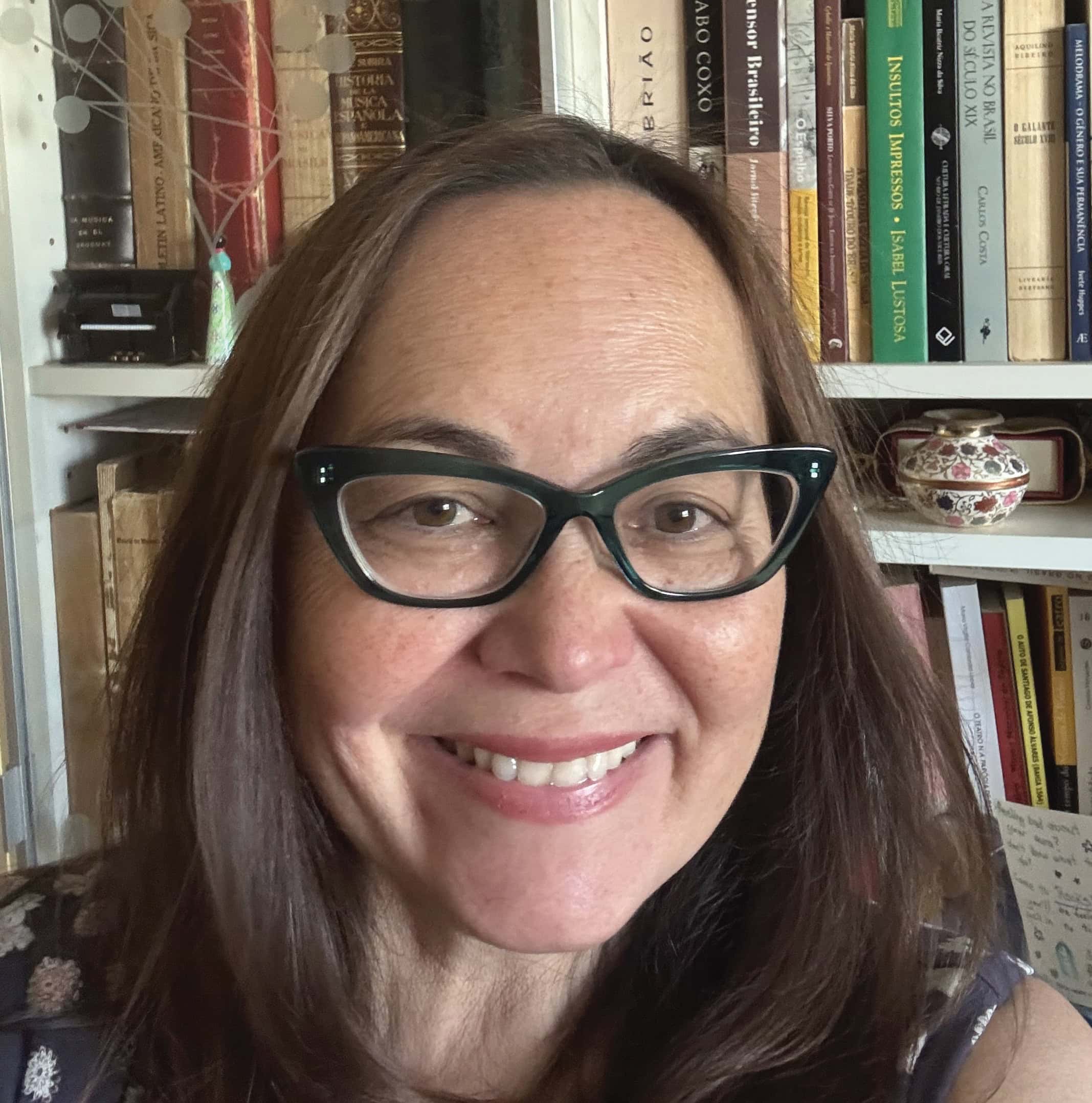 Beatriz Ilari
Professor of Music Teaching & Learning, University of Southern California, Thornton School of Music, Los Angeles, California
Project Title:
An Examination of Parents’ Beliefs, Values, and Behaviors toward School Music Education and Extracurricular Musical Activities of U.S. Secondary Students
What led you to this topic?
I began studying musical parenting, or parents’ beliefs, attitudes, and behaviors toward their children’s musical participation and learning in graduate school, when I wrote a PhD dissertation on music and memory in infancy. Although the study focused on infant music perception and cognition, the design involved home visits, where I also interviewed parents. I visited more than 100 homes in all types of neighborhoods—from the wealthiest to the poorest—and learned about music listening and singing in families from all walks of life. Since then, I have been studying musical parenting from multiple angles and with different parent populations.
I like to think of this study as a window into family life. Using a survey, we are trying to learn about musical parenting in U.S. families with students aged 10–16—including parents’ motivations to enroll children in music, their social and economic investment in their child’s music learning, their beliefs about music and music education, and future aspirations for their children. We chose to focus on families in California and Texas, two densely populated states with very distinct approaches to school music education. Recruitment is still ongoing, and we welcome more participants!
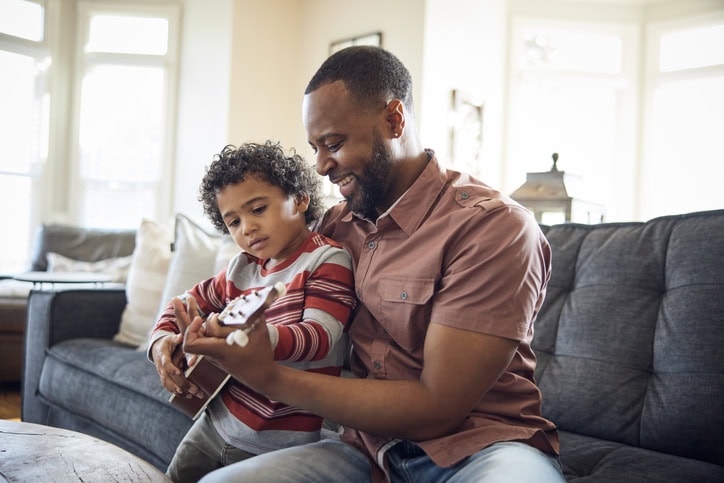
Photo: Lock Stock | DigitalVision Collection via Getty Images
What have you found most interesting about your research so far?
As is often the case in musical parenting studies, more mothers tend to participate, and they often have some degree of education (and sometimes music education). Because it is common for people who are more musically inclined to take part, we are making an effort to recruit in multiple spaces. Many parents want to offer opportunities for their children to learn music because they did not have such opportunities growing up.
What are some key takeaways that music teachers might appreciate learning?
As expected, our preliminary data analysis shows much variability of musical participation, parental investment, and support for music education. Students from higher income families may engage with music in multiple ways, in and out of schools, with parents investing considerable resources into their music education through private lessons, extracurricular music programs, and concert/live music attendance.
Participants’ top three reasons for supporting their children’s music education are (1) enrichment through extracurricular activities, (2) aesthetic appreciation, and (3) socioemotional development. Although this group values music, most do not wish for their children to go into music as a profession.
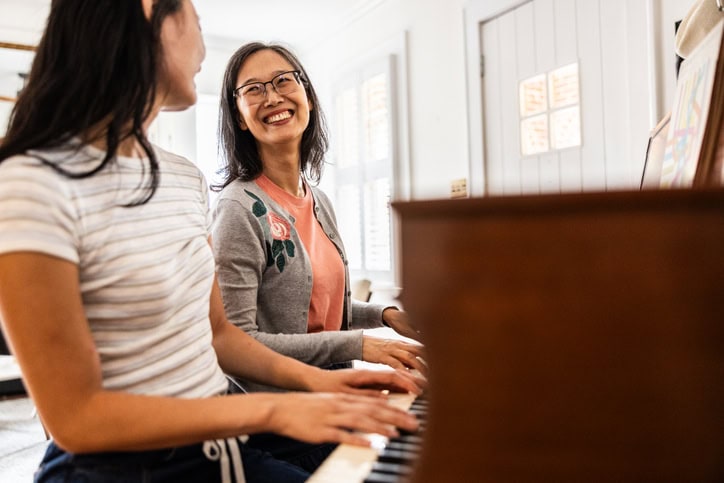
Photo: MoMo Productions | DigitalVision Collection via Getty Images
In what ways do your findings inform music teaching, advocacy, access, or teacher recruitment/retainment?
We are curious about the role that parent cultural background plays in their support for student music education and extracurricular activity participation and in their beliefs about music’s role in children’s lives. This information has implications for both music teaching and advocacy. As someone once said, “Parents can make or break a program.” Understanding parental music cognitions and behaviors can assist teachers. We hope that our findings will contribute with this small window into the complexity of musical parenting of children and teenagers in today’s world.
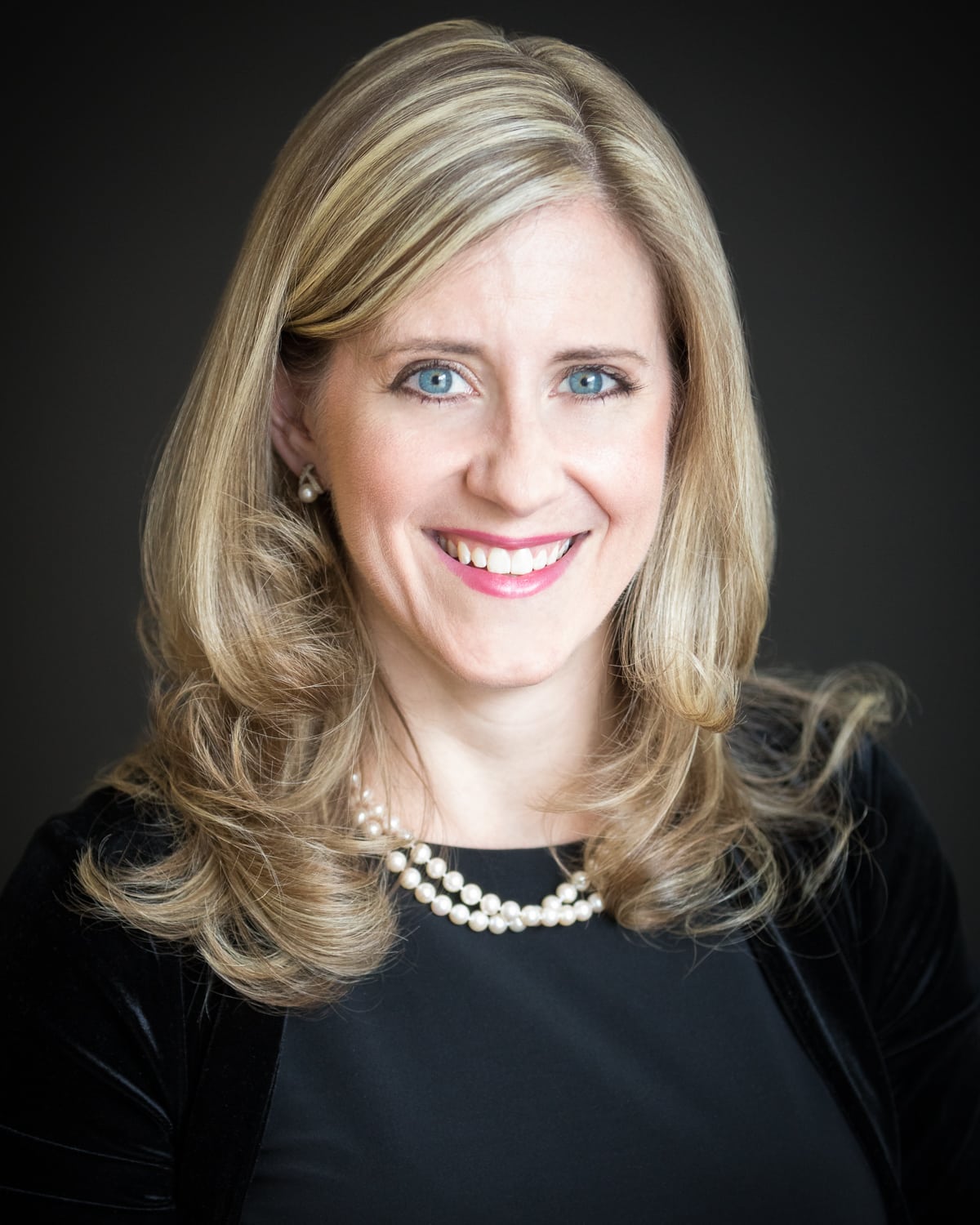 Julia Shaw
Associate Professor of Music Education, Indiana University Bloomington, Jacobs School of Music, Bloomington, Indiana
Project Title:
Responsive, Relevant, and Sustaining Pedagogy in Choral Music Education: Insights from Choral Educators and Students in Demographically Contrasting Communities
What led you to this topic?
My interest in researching Culturally Responsive Pedagogy (CRP) and Culturally Sustaining Pedagogy (CSP) grew from my experiences as a teacher-conductor with a nonprofit community youth choir in Chicago, where I had the opportunity to teach in several demographically contrasting neighborhoods. Teachers in that organization intentionally worked to tailor the choir experience to each specific neighborhood, building on the knowledge and experiences of students and families in each. Many of the ways that my colleagues approached teaching and built relationships with singers aligned with principles of CRP/CSP. Seeing ways that students appeared to benefit from these experiences led to my interest in researching asset-based approaches to teaching.
What have you found most interesting about your research so far?
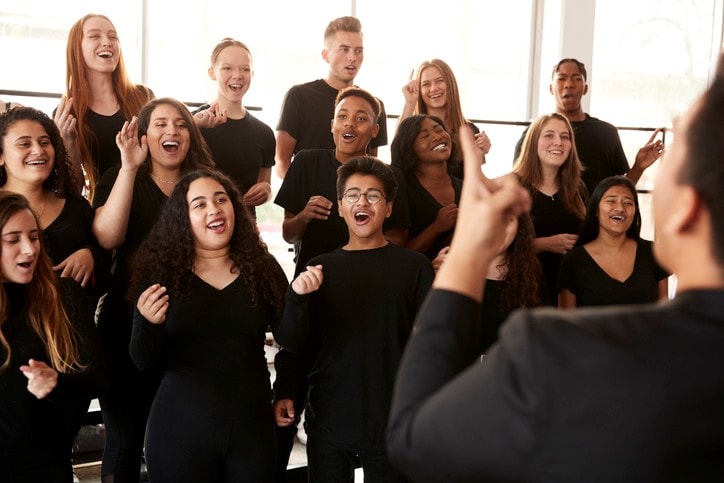
Interviews with the adolescent singers with whom I am collaborating have revealed that they live rich musical lives outside of their school or community music programs that they may not bring into their choral experience unless they are invited to do so or an opportunity happens to present itself. This study provides a chance to highlight some ways that teachers have found to build on assets that singers bring to their learning, offering examples of what CRP/CSP could look like in choral music education. The singers participating in the study are also honest about times when instruction intended to be culturally sustaining doesn’t necessarily go according to plan—not to be critical, but to bring challenges to light so that professionals in our field can find ways to overcome them.
iStockphoto.com | monkeybusinessimages
What are some key takeaways that music teachers might appreciate learning?
Singers’ cultural identities are complex and multifaceted, and connections to music or experiences they will consider culturally relevant are not always straightforward. One key takeaway is a need for teachers to proceed with a sense of humility, guarding against making assumptions about students and the experiences they will consider culturally relevant. Practicing CRP/CSP involves reframing the teacher-student relationship so that both can learn from and alongside one another. Teacher participants in the study have suggested that developing relationships with students characterized by this sort of reciprocity is one of the most rewarding aspects of engaging in this work. One challenge associated with CRP/CSP is that music teachers work with large numbers of students, making the proposition of tailoring instruction for each of their learners daunting. Another takeaway is that creative engagements such as songwriting or digital music creation can open avenues for engaging with culture in all of its complexity because individuals can express themselves musically on their own terms.
In what ways do your findings inform music teaching and music teacher education?
Because CRP/CSP is a student-centered approach that is customized for specific learners, there can be no recipe or prescription that can guarantee culturally responsive, relevant, or sustaining practice. Still, I hope the findings will provide vivid examples of teachers and students engaged together in musical experiences that build on students’ knowledge and assets. Replicating the teaching practices depicted in the study in other settings won’t necessarily be possible or advisable. However, teachers’ and students’ perspectives gleaned will reveal guiding principles that can be helpful to other educators as they seek ways to approach CRP/CSP with their specific singers and in their particular communities.
To learn more about NAfME’s two research societies and to get involved, visit the Society for Research in Music Education page and the Society for Music Teacher Education page.
Learn more about the 2026 NAfME Biennial Research Conference and how you can register to attend.
Did this blog spur new ideas for your music program? Share them on Connect! Interested in reprinting this article? Please review the reprint guidelines.
The National Association for Music Education (NAfME) provides a number of forums for the sharing of information and opinion, including blogs and postings on our website, articles and columns in our magazines and journals, and postings to our Connect member portal. Unless specifically noted, the views expressed in these media do not necessarily represent the policy or views of the Association, its officers, or its employees.