NAfME BLOG
When Specialization Becomes Isolation
Rethinking the Multifaceted Musician
By Alexander Pershounin, D.M.A. and NAfME Member José Valentino Ruiz, Ph.D.
This editorial proposes multifaceted musicianship as an educational orientation that preserves specialized expertise while connecting technical development, listening, improvisation, sonic awareness, technology, creative agency, and professional adaptability. Rather than asking musicians to sacrifice depth for breadth, we argue for depth with connectivity, enabling students to move purposefully across musical practices while developing adaptable and personally meaningful musical identities.
The Problem with Isolation
Music education has long depended upon specialization. We divide students by instrument, ensemble, repertoire, genre, degree program, and professional aspiration because specialization allows us to develop depth. A violinist needs years to develop sophisticated bow control. A jazz musician needs sustained immersion in improvisational language. A bassist needs to understand the technical, sonic, and functional demands of an instrument that can behave very differently in an orchestra, jazz ensemble, commercial recording, chamber group, or contemporary production environment. Specialization is not the problem.
The challenge arises when specialization becomes isolation.
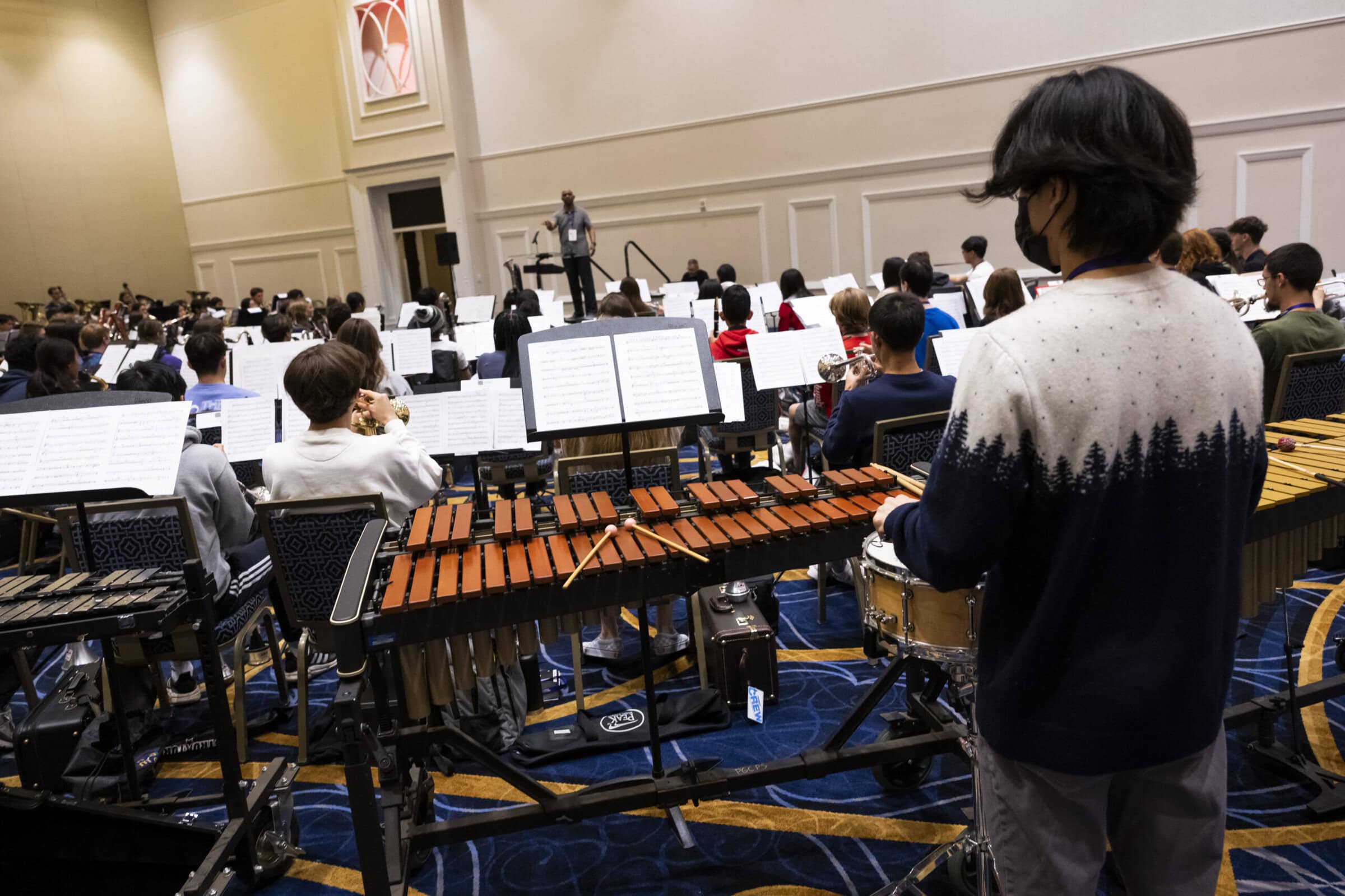
Photo by Lisa Helfert
The contemporary musician increasingly encounters a professional and creative environment in which traditional boundaries overlap. A classically trained instrumentalist may enter a recording session requiring improvisation. A jazz musician may encounter notated contemporary repertoire requiring techniques outside the conventions of jazz performance. An acoustic musician may need to understand amplification, recording, digital production, or emerging technologies. A performer may eventually build a professional life that also incorporates teaching, arranging, composition, production, entrepreneurship, scholarship, or work beyond music altogether.
How, then, should music educators preserve the depth that specialization provides while preparing students to make meaningful connections across musical practices?
We propose the multifaceted musician as one response. Multifaceted musicianship does not mean teaching students to do everything, nor does it diminish the importance of specialized expertise. Rather, it describes an educational orientation in which technical development, sonic awareness, listening, improvisation, creative decision-making, technology, and professional adaptability are understood as interconnected dimensions of musicianship.
The distinction is important. Breadth without depth produces superficiality. Depth without connectivity can produce rigidity. The educational opportunity lies between them.
Begin with Sound
One of the simplest ways to move beyond rigid musical categories is to begin with something every musician encounters: sound.
In our work with students, we have found that discussions of musical identity can easily begin with categories. Is the student a classical musician? A jazz musician? A commercial musician? An improviser? Yet before a listener identifies any of these categories, the listener encounters sound.
For the bassist, this is particularly apparent. Consider the sonic identities associated with musicians such as Ray Brown, Jaco Pastorius, Marcus Miller, or Gary Karr. Their approaches emerge from different traditions and involve different techniques, instruments, repertoires, and musical functions. Yet each developed a recognizable relationship with sound. Tone was not merely the consequence of playing the correct notes. It became part of musical identity.
This suggests a useful pedagogical reversal. Rather than teaching technique exclusively as a procedure for producing correct execution, we can ask students what sonic result the technique is intended to produce.
The question changes from “Can you perform this articulation?” to “What happens to the musical meaning when you perform the articulation this way?”
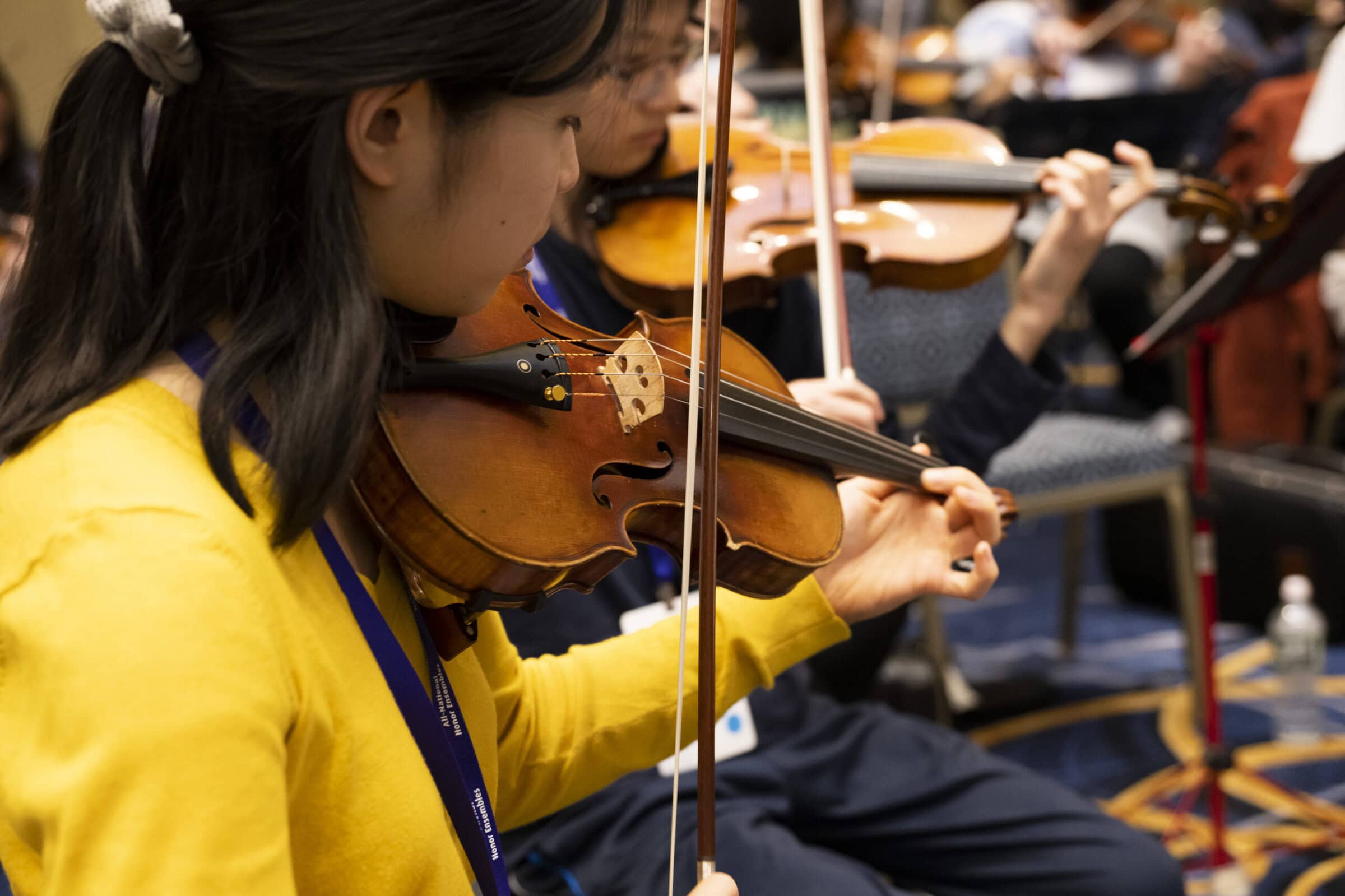
Photo by Lisa Helfert
A student can play near the bridge, alter bow speed, change the point of contact, mute a string, modify an electric-bass attack, manipulate amplification, or apply a digital effect. The technical action matters, but the educational objective is larger: Students should learn to hear the relationship between physical or technological choices and expressive consequences.
This is where directed listening becomes particularly valuable. Students can be asked to listen to a recording several times, changing the object of attention with each hearing. First, identify the most obvious melodic material. Next, focus on the bass. Then consider articulation. Listen again for texture. What produces the groove? What creates tension? Which elements make the recording feel intimate, aggressive, spacious, warm, unsettled, or energetic?
Listening becomes more than recognition. It becomes investigation.
Over time, students begin developing a sonic palette. They learn not simply that different techniques exist, but that techniques possess expressive consequences. Sound becomes vocabulary.
Connect the Techniques
The same principle can be applied to instrumental technique. Music education frequently places techniques within stylistic containers. Certain approaches belong to classical training. Others belong to jazz. Others appear in popular or commercial music. These divisions often make historical and pedagogical sense, but students can inadvertently internalize them as prohibitions: This technique belongs over there, while I belong over here.
A multifaceted approach asks a different question: What can one musical tradition teach another? For bassists, the bow offers a compelling example. Classical double-bass study provides an extraordinarily sophisticated technical tradition involving sustain, articulation, vibrato, phrasing, dynamics, tone production, and color. Improvisational traditions, meanwhile, can cultivate harmonic awareness, spontaneous interaction, rhythmic vocabulary, and real-time musical decision-making.
Yet these bodies of knowledge do not always intersect in a systematic way. The educational question is therefore not whether classical or improvisational training is more valuable. It is what becomes possible when the strengths of both are allowed to interact.
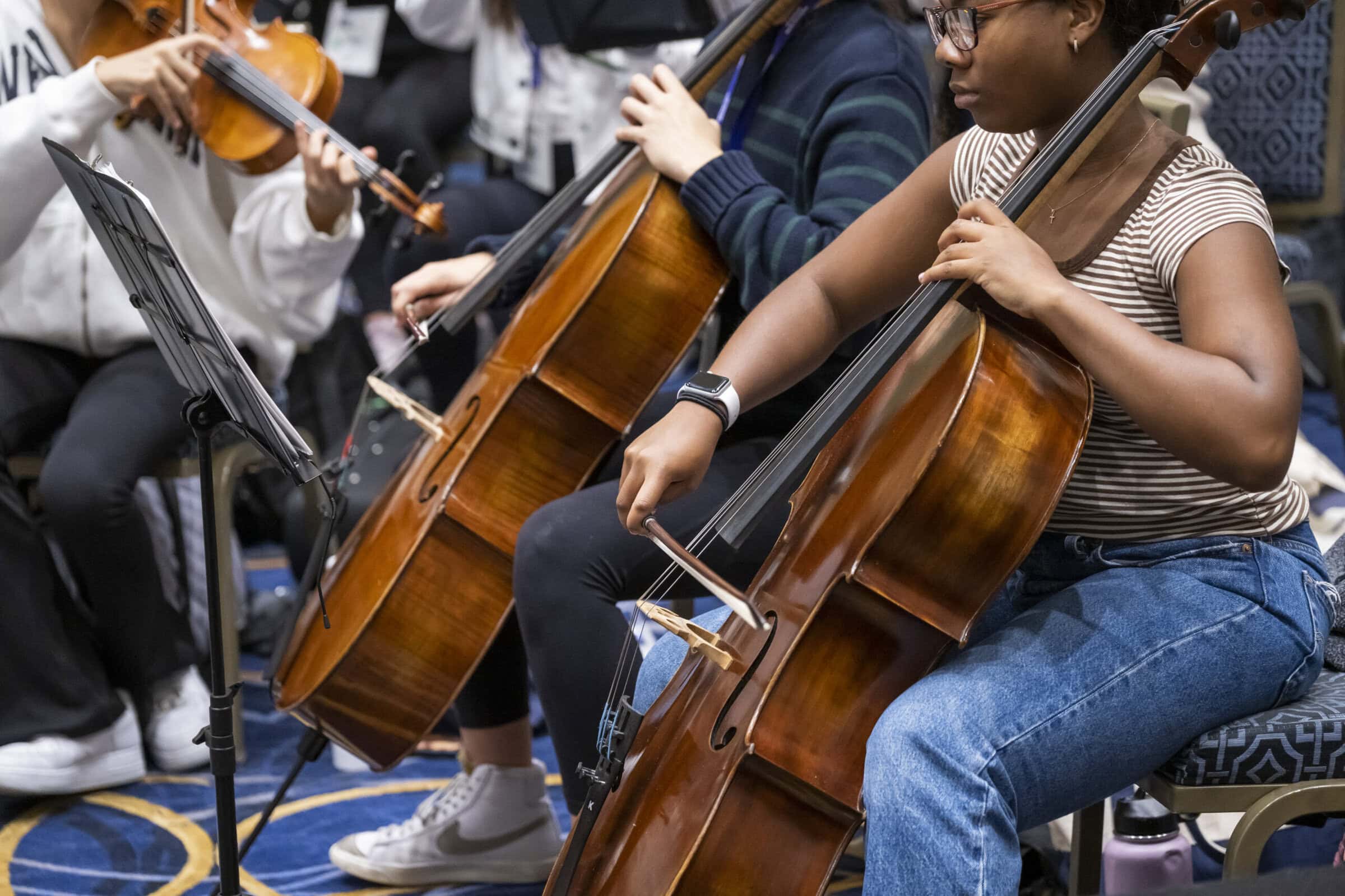
Photo by Lisa Helfert
The same question applies far beyond bass. What can a classical pianist learn from the harmonic awareness of a jazz pianist? What can an orchestral musician learn from a recording engineer about microphone placement and the way an instrument actually translates through speakers? What can a composer learn from an improviser about spontaneous form? What can an ensemble musician learn from a producer about texture, frequency, and arrangement?
Integration does not require abandoning the traditions from which these practices emerge. In fact, meaningful integration requires understanding them well enough to recognize what can responsibly transfer between contexts.
The goal is not stylistic homogenization. It is technical interoperability.
Make Improvisation Ordinary
Improvisation is another area in which educational categories can become unnecessarily restrictive.
For students whose training has centered on notation, improvisation can feel like an entirely different musical activity. The page disappears, and with it disappears the apparent security of knowing exactly what comes next. But improvisation becomes less mysterious when we describe music as conversation. Conversation requires vocabulary, syntax, listening, interpretation, timing, memory, anticipation, and response. We rarely know the precise sentence another person will speak before it is spoken, yet experienced speakers are not paralyzed by that uncertainty. They possess sufficient command of the language to participate.
Musical improvisation operates similarly. Importantly, interpretation already contains elements of this process. Two musicians can perform the same written passage with the same pitches and rhythms while producing meaningfully different results. Timing, articulation, tone, dynamics, phrasing, emphasis, and interaction change the experience. The difference reminds us that musicianship has always involved more than reproducing information.
From this perspective, improvisation need not be introduced initially as virtuosic soloing or mastery of a specialized jazz vocabulary. It can begin with choices. Change an articulation. Complete a phrase. Respond rhythmically to another student. Create a countermelody using three notes. Perform a written phrase and then alter one musical parameter. Ask students to explain what changed and why.
Small acts of musical choice can gradually normalize creative agency. This matters because improvisation teaches something broader than improvisation itself. It requires students to retrieve knowledge in real time. They must listen while performing, recognize patterns, make decisions, respond to others, tolerate uncertainty, and continue after outcomes they did not anticipate.
Those are valuable capacities for any musician.
Teach the Ear to Lead
Multifaceted musicianship depends upon a subtle shift in the relationship between technique and listening. Students understandably spend enormous amounts of time learning what to do. Where does the finger go? Which fingering should be used? How should the bow move? Which chord scale applies? What dynamic is printed? Which software function produces the desired edit?
These questions are necessary. But eventually another question must become more important:
What am I hearing?
An educated musical ear should increasingly become capable of directing technique rather than merely evaluating it after the fact.
This distinction becomes even more consequential as technology enters music education. Contemporary musicians have access to an extraordinary collection of tools: digital audio workstations, virtual instruments, effects processing, modeling, notation software, amplification systems, online collaboration platforms, algorithmic tools, and increasingly artificial intelligence. The number of possible tools will continue to expand. Musical judgment remains the scarce resource.
For that reason, technology education should not end with operational competency. Knowing how to activate an effect is different from understanding why the music needs it. Knowing how to manipulate an audio file is different from recognizing whether the manipulation improves the musical communication.
Students should therefore be encouraged to experiment while repeatedly returning to the ear. What changed? Was the change intentional? What expressive function does it serve? Does the technology reveal something in the music, or merely demonstrate that the technology is available?
This approach positions technology where it belongs: not outside musicianship, and not above it, but within an expanding collection of tools through which musicians make expressive decisions.
Preserve Depth
At this point, an understandable concern emerges. If students are expected to improvise, understand technology, develop broader listening skills, move among styles, and consider multiple professional possibilities, when do they have time to become excellent at their instruments?
The concern is legitimate.
Multifaceted musicianship should never become an excuse for curricular accumulation. Simply adding more requirements to already crowded degree programs would misunderstand the concept.
The goal is not to produce a student who knows a little about everything. The goal is to create stronger relationships among things students may already be learning.
A scale can simultaneously develop technique, theoretical understanding, aural awareness, transposition, and improvisational vocabulary. An ensemble rehearsal can teach repertoire while also developing listening, leadership, collaboration, stylistic awareness, and creative responsiveness. A recording project can connect performance practice with acoustics, production, self-assessment, technology, and professional communication.
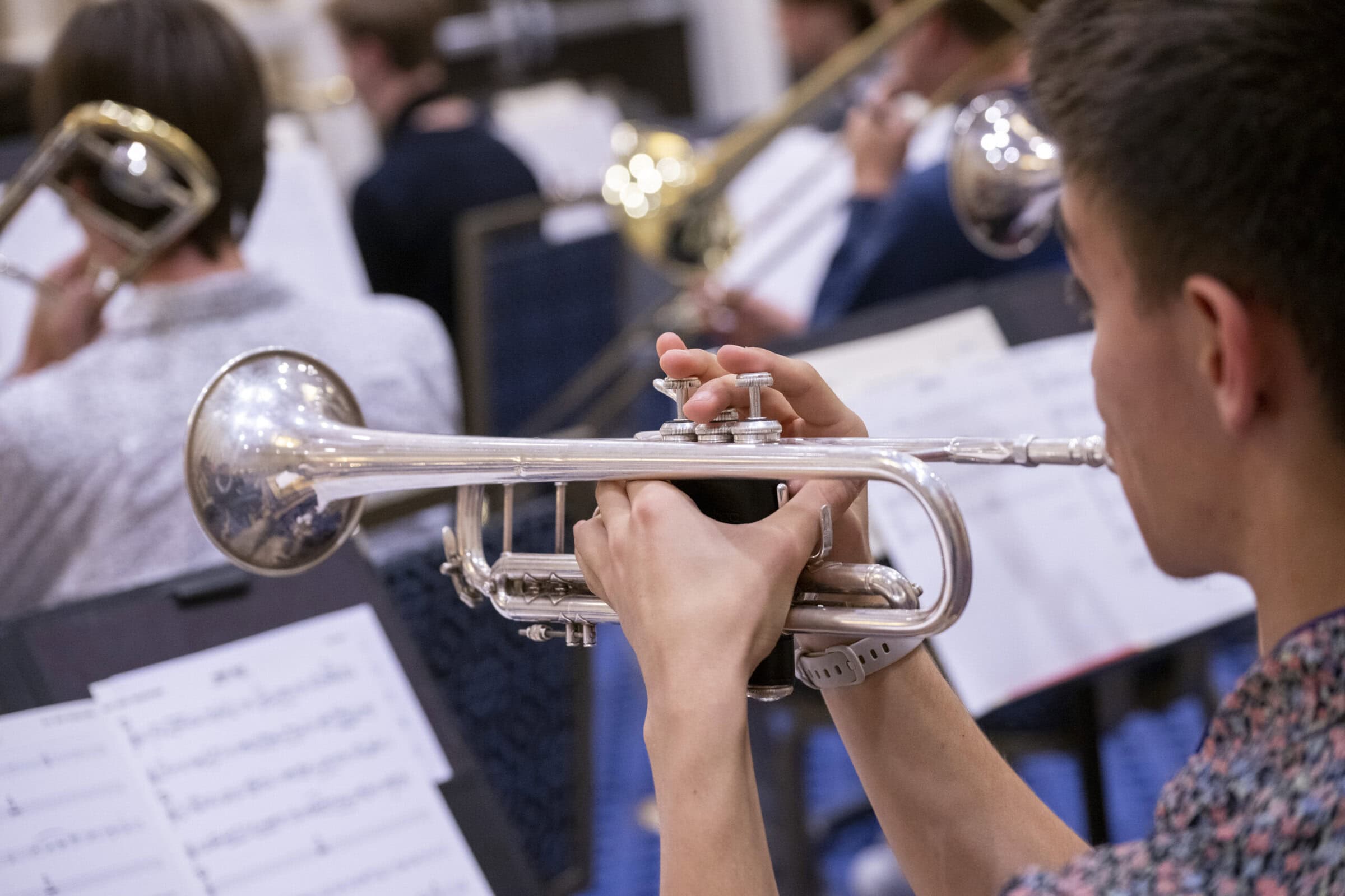
Photo by Lisa Helfert
Integration can sometimes reduce fragmentation rather than increase workload. Depth remains indispensable because meaningful versatility depends upon something substantial to transfer. A musician with no developed technique has little technical knowledge to apply elsewhere. A musician with limited stylistic understanding cannot meaningfully navigate stylistic differences.
The multifaceted musician therefore needs an anchor. That anchor may be an instrument, compositional practice, research area, performance tradition, or another area of genuine expertise. From that anchor, connections can expand outward.
A useful image is not the musician as a collection of unrelated competencies but as a network. Some nodes will be much stronger than others. The educational objective is not to make every node equal. It is to help students understand the relationships among them.
Start with the Person
This approach ultimately requires educators to consider something curricula can easily overlook: Students are not interchangeable. They arrive with different musical histories, personalities, ambitions, cultural experiences, strengths, limitations, responsibilities, and reasons for studying music.
Consequently, the same professional destination will not represent success for every student.
One student may be energized by performance and seek a life involving touring or frequent public engagement. Another may possess tremendous creative capacity but prefer composition, arranging, production, or studio work. Another may discover a vocation in teaching. Another may combine music with science, medicine, business, technology, or an entirely different profession.
Music education should certainly help students understand the professional pathways that already exist. But educators can also help them understand themselves well enough to determine which combinations of those pathways make sense.
This changes the career-development question. Instead of asking only, “What jobs can I get with a music degree?” students can begin asking, “What configuration of skills, activities, relationships, and opportunities would allow me to build a meaningful and sustainable professional life?”
That is career architecture rather than simple career selection. For educators, this does not mean predicting every student’s future. It means creating enough exposure that students can recognize possibilities and enough reflection that they can make increasingly intentional decisions among them.
The multifaceted musician is therefore not necessarily the busiest musician or the musician with the longest list of competencies. Multifacetedness should not become another form of professional pressure. It is the capacity to connect abilities purposefully.
Educate for What Does Not Yet Exist
Perhaps the most difficult responsibility in music education is that we are preparing students for a future we cannot completely describe.
We know many of the traditions they must inherit. We know the value of disciplined practice, sophisticated listening, historical understanding, ensemble experience, theoretical knowledge, technical excellence, creativity, and mentorship. Those foundations remain important precisely because the professional environment around them continues to change.
But some of the musical practices, technologies, professional configurations, and creative opportunities our students will encounter have not yet been normalized. Some may not yet exist.
This is why adaptability cannot simply mean chasing every new technological or professional trend. Trends change too quickly. Instead, adaptability must emerge from deeper capacities: listening, curiosity, technical command, creative agency, pattern recognition, collaboration, reflection, and the ability to learn.
A student who possesses those capacities can encounter something unfamiliar without assuming it is inaccessible.
This brings us back to specialization. Music education should continue producing extraordinary classical musicians, jazz musicians, composers, educators, producers, scholars, conductors, and performers. Our traditions deserve people willing to pursue them with tremendous depth.
But those identities need not function as walls.
The classical musician can improvise. The jazz musician can study sophisticated approaches to bowed phrasing. The performer can understand production. The composer can understand entrepreneurship. The educator can remain an active creative practitioner. The technologically fluent musician can remain deeply concerned with acoustic sound. A future physician can remain a serious musician, just as a professional musician can develop meaningful knowledge in another discipline.
None of these combinations diminishes specialization. They reveal what specialization can connect to. The task before music educators, then, is not to eliminate categories. Categories help us organize knowledge, preserve traditions, and develop expertise. Our responsibility is to make sure students understand that the borders between those categories can sometimes be crossed.
The future may belong neither to the narrowly specialized musician nor to the musician who attempts to master everything. It may belong to musicians who develop something more difficult: depth with connectivity.
That is the promise of the multifaceted musician. Not a musician prepared for every conceivable future, but one prepared to listen carefully, learn continuously, connect intelligently, and participate creatively in whatever musical future arrives.
About the Authors
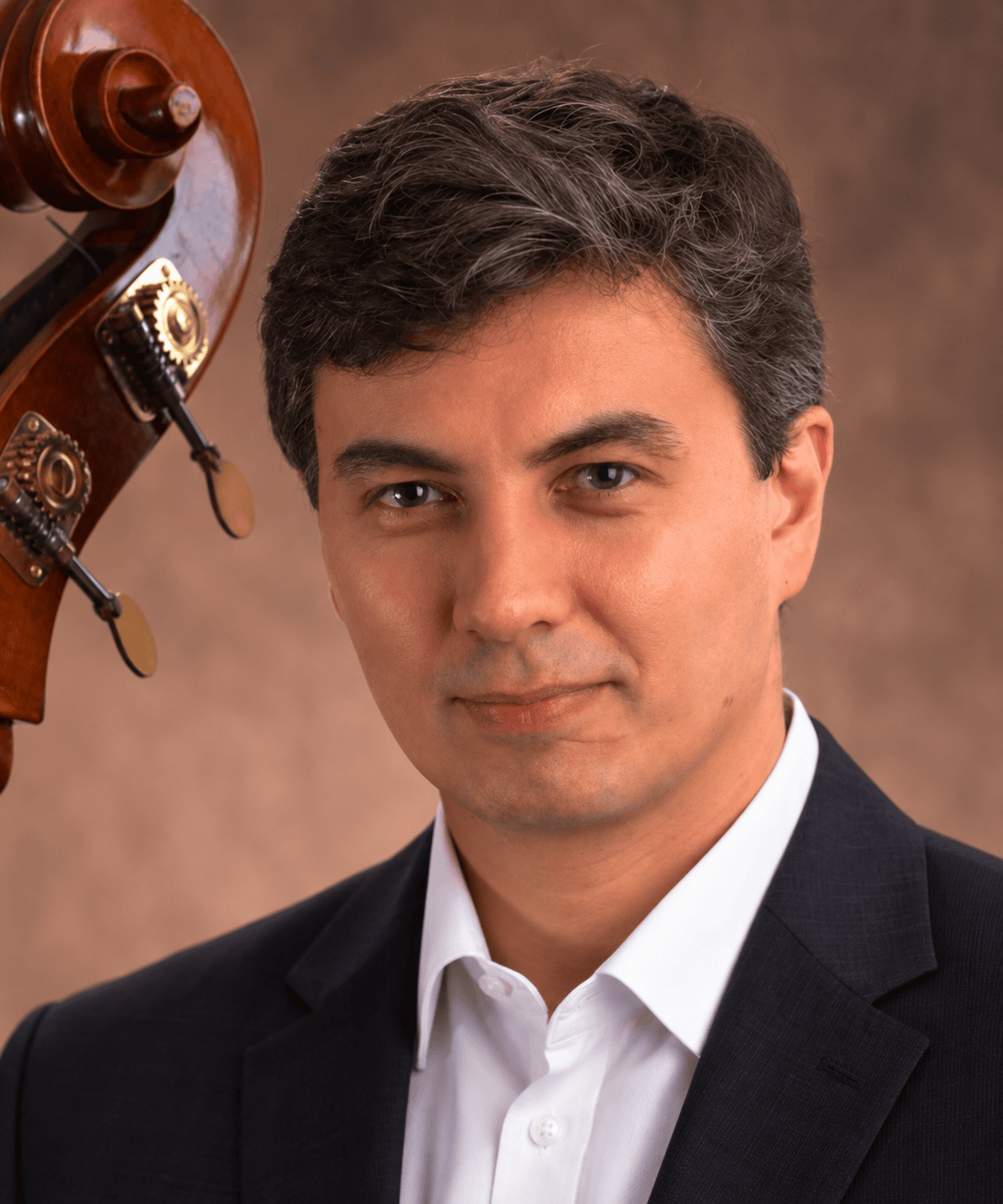 Dr. Alexander Pershounin is a bassist, composer, and educator whose career spans classical and jazz performance, composition, recording, and pedagogy. He has performed internationally and collaborated with artists including Bob Berg, Mulgrew Miller, Benny Golson, Itzhak Perlman, Yo-Yo Ma, and Ray Charles, while appearing at major events such as the Montreux Jazz Festival, Pori Jazz Festival, and New Orleans Jazz & Heritage Festival. He serves as Assistant Professor of Bass at the University of Florida School of Music, where his teaching reflects his commitment to developing versatile musicians capable of navigating multiple musical traditions.
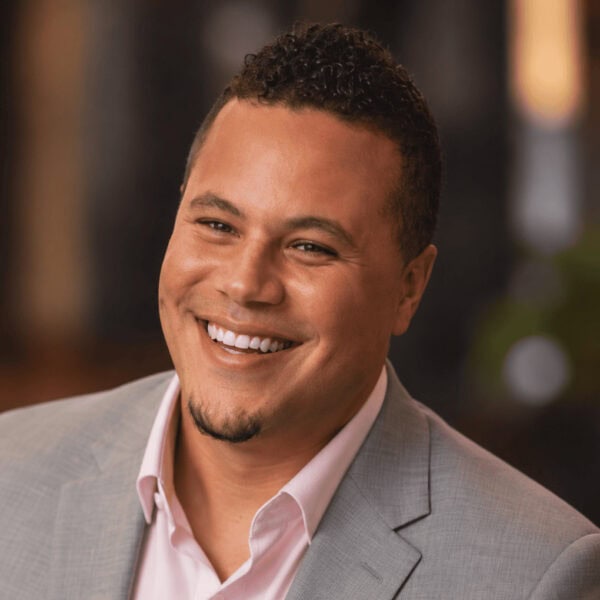 NAfME member Dr. José Valentino Ruiz is a multi-Latin GRAMMY®-winning and multi-Global Music® Award-winning bassist, multi-instrumentalist, composer, producer, and educator. He is an Associate Professor and Founder/Coordinator of Music Business & Entrepreneurship at the University of Florida, a U.S. Department of State U.S. Speaker on Creative Economy and Global Arts Entrepreneurship, and an internationally active recording and performing artist. Ruiz also serves in editorial, research, and interdisciplinary leadership roles spanning music, creative industries, entrepreneurship, artificial intelligence, healthcare, and cultural diplomacy.
Did this blog spur new ideas for your music program? Share them on Connect! Interested in reprinting this article? Please review the reprint guidelines.
The National Association for Music Education (NAfME) provides a number of forums for the sharing of information and opinion, including blogs and postings on our website, articles and columns in our magazines and journals, and postings to our Connect member portal. Unless specifically noted, the views expressed in these media do not necessarily represent the policy or views of the Association, its officers, or its employees.