
Lifelong Learning
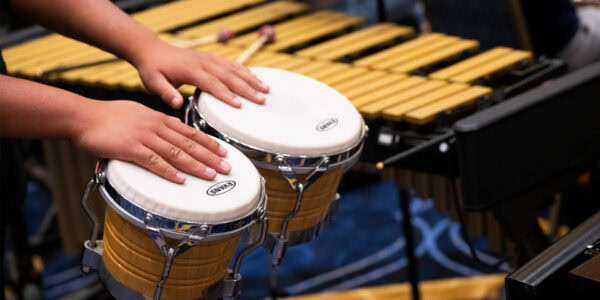
The future may belong neither to the narrowly specialized musician nor to the musician who attempts to master everything. It may belong to musicians who develop something more difficult: depth with connectivity.
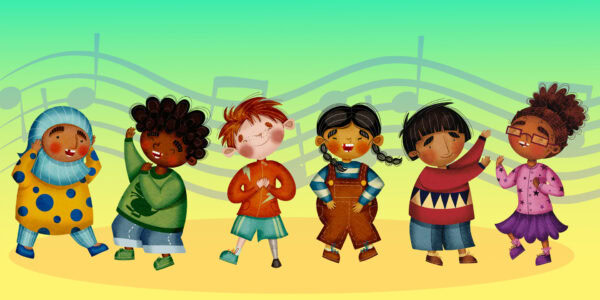
Students of all ages benefit from internalizing musical sounds before encountering the symbols that represent them. Only after embodied experience can students truly understand and reproduce Guido d’Arezzo’s secret codes, now commonly called “music notation.”

Tri-M should be about more than meetings. Give students a reason to want to be involved!

Young people thrive when adults create spaces where they feel safe to ask questions, take risks, encourage one another, and discover strengths they never knew they had.
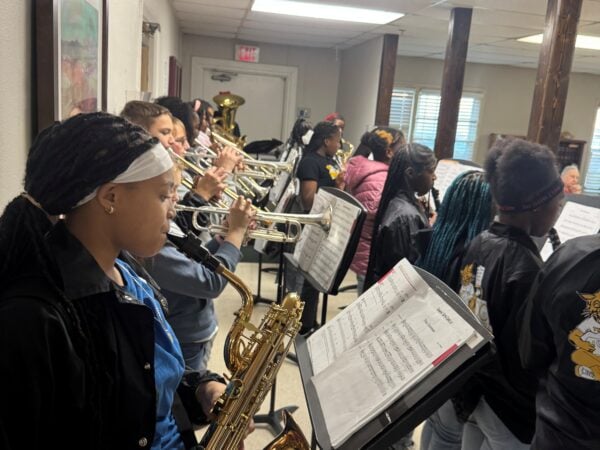
Music educators have a unique opportunity to shape not only musicians, but future leaders. Starting a Tri-M Music Honor Society chapter is one of the most effective ways to do both.
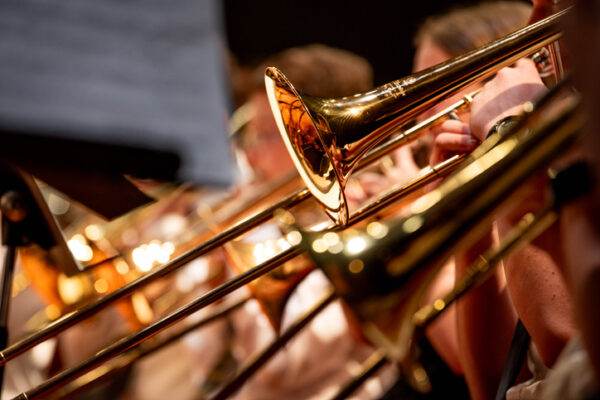
Adjudication is meant to validate preparation, growth, and artistry. Yet, as educators, we must also prepare students to understand the system itself, its strengths, its limitations, and its human element.
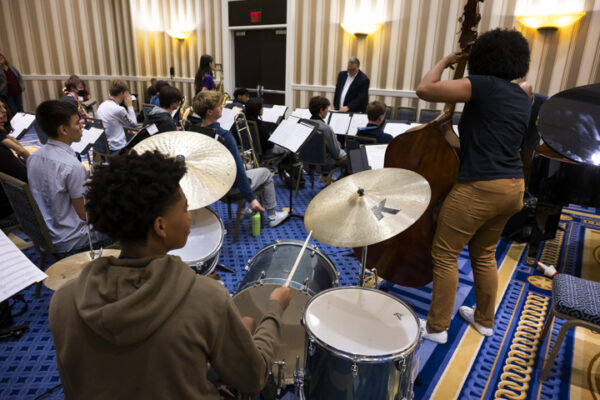
When teachers intentionally design rehearsal culture around these ideas, they create ensembles that don’t just play jazz—they are transformed by and through it.
I Sing, Therefore I Am By NAfME Member Meagan Mayne This article first appeared in the January 2026 issue of Teaching Music. Education today is often driven by performance metrics…

On Finding the Rebel Match By NAfME Member Lisa Martin, Music Educators Journal Academic Editor This article first appeared in the March 2026 issue of Music Educators Journal. During the entirety of my…

Trust, Wait Time, and Relationships That Matter By NAfME Member Dawn Firak When people imagine an elementary music classroom, they often picture movement, laughter, instruments, and voices filling a shared…