NAfME BLOG
The First Five Minutes Matter More Than You Think

Building Trust with New Students
By NAfME Member Kathleen Melago
Can you remember walking into your first music lesson? I wanted to take flute lessons for well over a year before I could convince my parents to spend some of their limited money on lessons for me. I remember hearing my mom calling the music store, getting off the phone, and telling me when my first lesson would be. She told me that my flute teacher’s name was Vanessa, and I spent the days up until that lesson wondering what she would be like and what it would be like to take private lessons. I remember that I was nervous going in and that I felt energized after that lesson. I loved band and my band director recommended that I take lessons to get to the next level in my musicianship. The funny thing is that I trusted him that lessons were a good idea even though I had no idea what a private lesson even actually was!
While I can’t remember the exact details of my first lesson back in 1987, I’ll bet that in the first five minutes of the lesson, Vanessa got to know me, helped me feel like I belonged in private lessons, and learned more about my goals. I studied with Vanessa for six years before going off to major in music education in college. I had “first lessons” with teachers in my undergraduate, master’s, and doctoral degrees, but they weren’t my first lessons ever. As a sophomore in college, I began teaching private lessons and have had at least one student for almost every year since then.

(opens in new tab) (opens in new tab) (opens in new tab) Photo: David Izquierdo/500Px Unreleased Plus Collection via Getty Images
Why Do the First Five Minutes Matter?
Remembering how the first five minutes in a new space or experience can make you feel is important as you prepare for the start of a new school year and all those first lessons with students. As a newer lessons teacher, I assumed that students knew why they were there and what they were there for and probably jumped into the music way too quickly, without taking time to get to know the unique humans who were there to learn. I forgot my experience as a seventh-grade student going into this mysterious “flute lesson” for the first time. This meant that lessons were geared toward my identity as a teacher and my perceived goals for the students, rather than theirs.
Regardless of the age you teach and whether you are teaching lessons to individuals or groups of students, it can be hard to remember back to that feeling of unknown with the first lesson. Students from different demographics than those of their teachers can even feel more uncertain as to whether lessons are a place they belong. Financial sacrifices caregivers make to afford lessons can even make the student feel guilty. There are many feelings students might have as they enter lessons for the first time, and the first five minutes can help put them at ease.
Making the Most of the First Five Minutes
Along the lines of “you never get a second chance to make a first impression,” the first five minutes of lessons will set the tone for the type of experience the students will have during their lessons with you. For teachers who want to place student identity, belonging, and agency at the forefront of lessons, I have some suggestions.
Be Intentional about the Space
As you prepare the learning space, be mindful of how students will get into the room and how they will move around once inside. In your welcoming materials, include how to get to the lesson space, noting the route for an accessible entrance and where to park. Set up the space so movement around the room can be done without barriers. Proactively sharing the accessible path shows that people with disabilities are welcome in lessons with you.
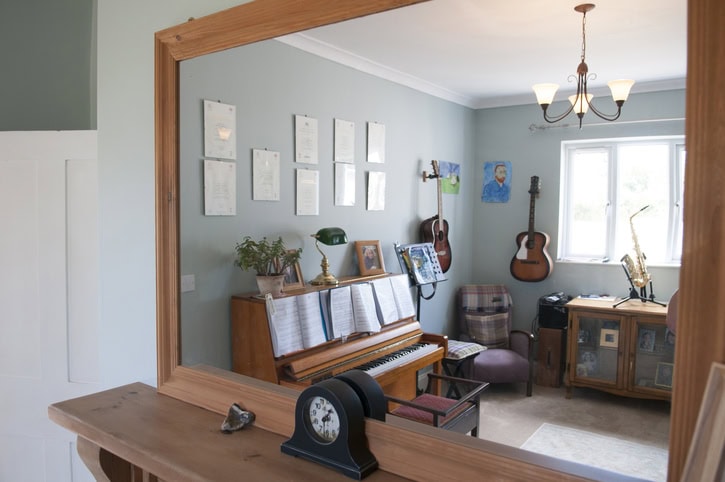
Think about the ambiance of the learning space. Avoid fragrances like candles and air fresheners, which can create breathing concerns and/or distractions for students. Think about decorations to ensure that they are welcoming but not distracting. Strive to replace lights, clocks, and anything else that makes noise with silent options to avoid distractions.
Being intentional about things like this in the learning space can help students feel calmer and more comfortable as they arrive as opposed to being confused about how to find you or uneasy in the space once they do.
(opens in new tab) (opens in new tab) Photo: Kohei Hara/Stone Collection via Getty Images
Names
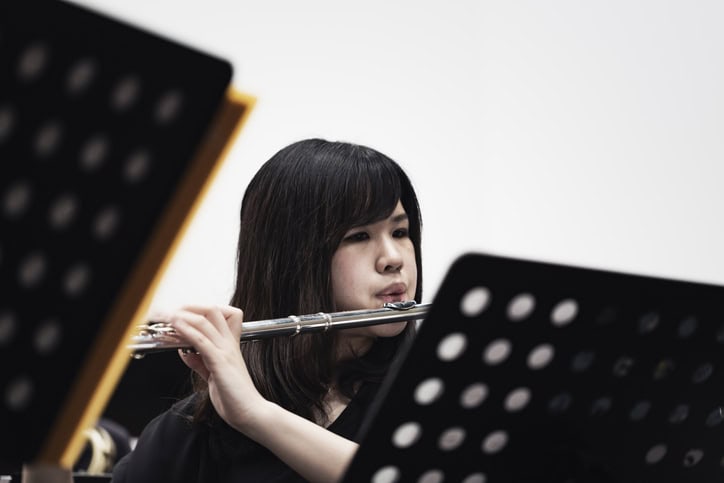
Be sure to introduce yourself with what you want the students to call you and to ask the students to pronounce their names. It’s easy to forget to do this in a private lesson if you and the student are the only people there, but names are foundational to identity. In a class setting, have each student say their names, rather than calling attendance from a school-issued list, which could include incorrect names for students who are transgender and will also help you get to know who goes by a nickname (for example, my name is Kathleen but I go by Kathy).
Ensure that you understand how to pronounce all names from day #1, as it will be awkward to not know how to say a student’s name after teaching them for a long time, and it is disrespectful to just pronounce it incorrectly rather than doing the work of learning the correct pronunciation (my last name is ma-LAY-go, if you are curious).
You Belong
Work to ensure that visuals in your teaching space are representative of as much diversity as possible to show students right away that people “like them” are welcome in lessons with you. Think of diversity in as many ways as possible, including race, ethnicity, gender, and age. Be mindful of these things as you set up websites, create welcome materials, and decorate bulletin boards.
Student Choice
Right from the start, provide students with the option to sit or stand for lessons. Ensure that the option is extremely normalized in your space, which can help students with mobility limitations see that sitting in lessons is welcomed and that all students get to do what they prefer or need. In my flute lessons in middle and high school, we always sat for lessons, but in my undergraduate, master’s, and doctoral lessons, we always stood. In all my lesson settings, the expectation seemed to be set by the teacher ahead of time.
Giving students the opportunity to select whether to sit or stand can also help them use the posture most relevant to their musicianship during lessons. For example, if preparing for a recital where they will stand, working on repertoire while standing might be preferred, where students whose only performances are in their school band or orchestra might benefit from sitting during lessons, since that is the posture they use most often.
(opens in new tab) Photo: John Keeble/Moment Collection via Getty Images
Reflect
As you prepare for your students’ lessons, these questions can help you have the best impact in the first five minutes:
- What did your former teachers do that helped you feel welcome or unwelcome? How can those experiences inform your approaches?
- What is the first change you can make to help your lesson approach be more welcoming?
Visit NAfME Connect(opens in new tab) to share your favorite tip for welcoming students to lessons.
About the author:
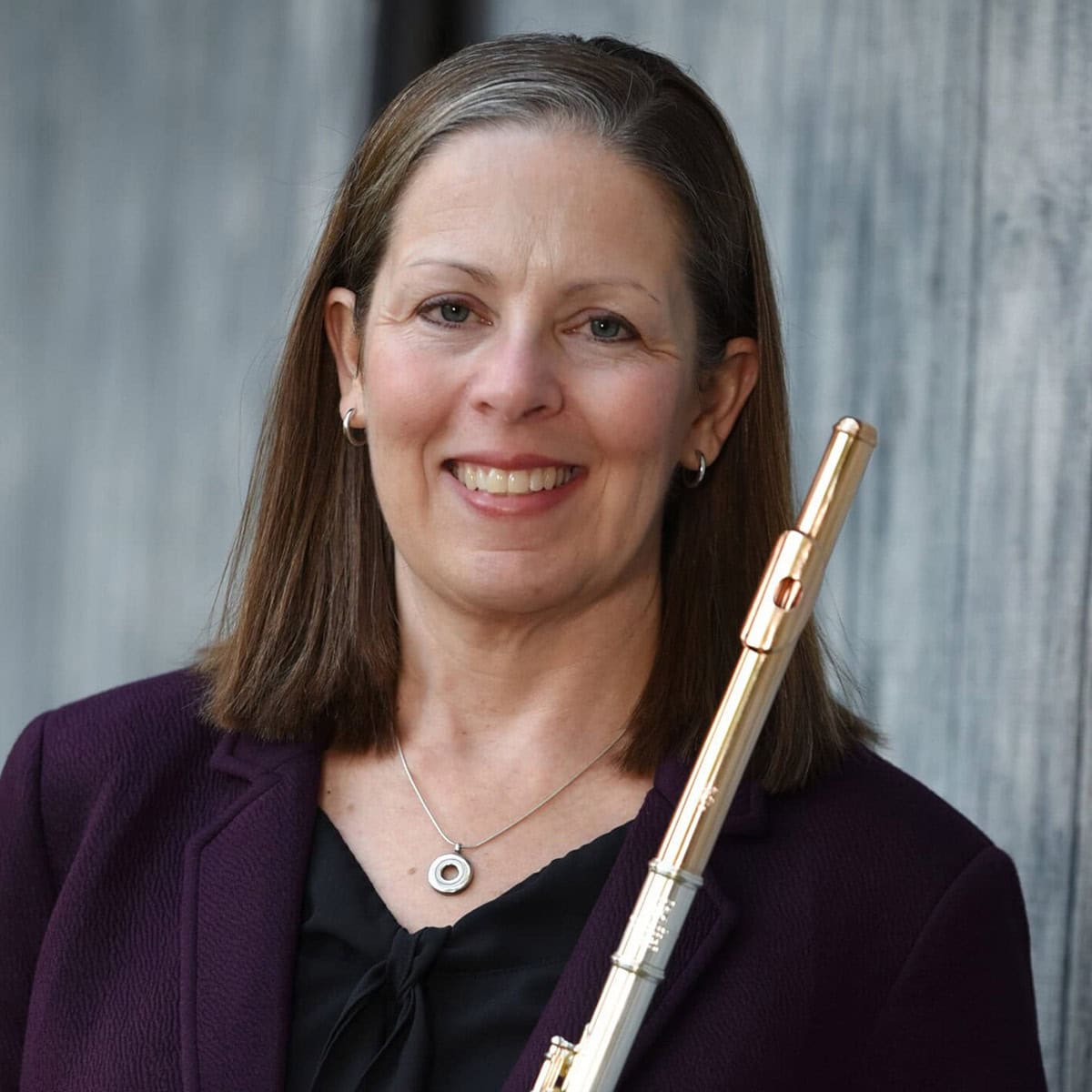 (opens in new tab)NAfME member Dr. Kathleen Melago is Professor in the Department of Curriculum, Instruction, and Educational Leadership at Slippery Rock University (SRU). From 2009 to 2025, she served as Music Education Program Coordinator at SRU. She has taught music in Pennsylvania, Iowa, and Ohio, in both school and private studio settings.
Kathy is author of In Tune with Students: Nurturing Growth in Private Music Lessons (GIA Publications, 2026), co-editor (with Dr. Scott Edgar) and a contributing author of Portraits of Social Emotional Learning in Music Teacher Education: Teaching Music with Heart (GIA Publications, 2024), and author of Woodwind Methods Practice Book (Fflat Books, 2026).
Kathy is a frequent presenter at state, national, and international conferences. She has held leadership roles with PMEA(opens in new tab), NAfME, and the National Flute Association.
Did this blog spur new ideas for your music program? Share them on Connect!(opens in new tab) Interested in reprinting this article? Please review the reprint guidelines(opens in new tab).
The National Association for Music Education (NAfME) provides a number of forums for the sharing of information and opinion, including blogs and postings on our website, articles and columns in our magazines and journals, and postings to our Connect member portal. Unless specifically noted, the views expressed in these media do not necessarily represent the policy or views of the Association, its officers, or its employees.