NAfME BLOG
Your Students Are Already Rights Holders
Teaching IP Literacy in the Music Classroom
By NAfME Member Dr. José Valentino Ruiz
Your students post original songs, beats, and arrangements to the world before they can vote, yet few of them can name the rights they already hold. This article offers music educators a teachable, classroom-ready approach to intellectual property literacy: the moment of fixation, the bundle of five exclusive rights every creator receives, the two copyrights living inside every recording, and the everyday rehearsal-room decisions that model professional respect for ownership.
A compact mini-lesson called the Fixation Ritual gives you everything you need to teach fixation and the bundle of rights in a single class period, with a procedure you can run tomorrow and a clear way to know it worked.
The Silence After the Question
This September, in a creative entrepreneurship workshop in South Africa, I asked a room full of young music makers a simple question: Who owns the beat you made last night? The silence that followed was honest. These were talented, driven, digitally fluent creators who could produce, mix, and upload before breakfast, but ownership, the thing that turns creativity into a livelihood, was a language nobody had taught them.
That silence lives in our classrooms too. Your students are already publishers, posting original songs, beats, remixes, and arrangements to platforms the world can hear before they are old enough to vote. They enter an economy of attention carrying rights they do not know they hold. Intellectual property literacy is not a luxury topic. It is foundational musicianship for the digital age, as basic as reading a key signature.
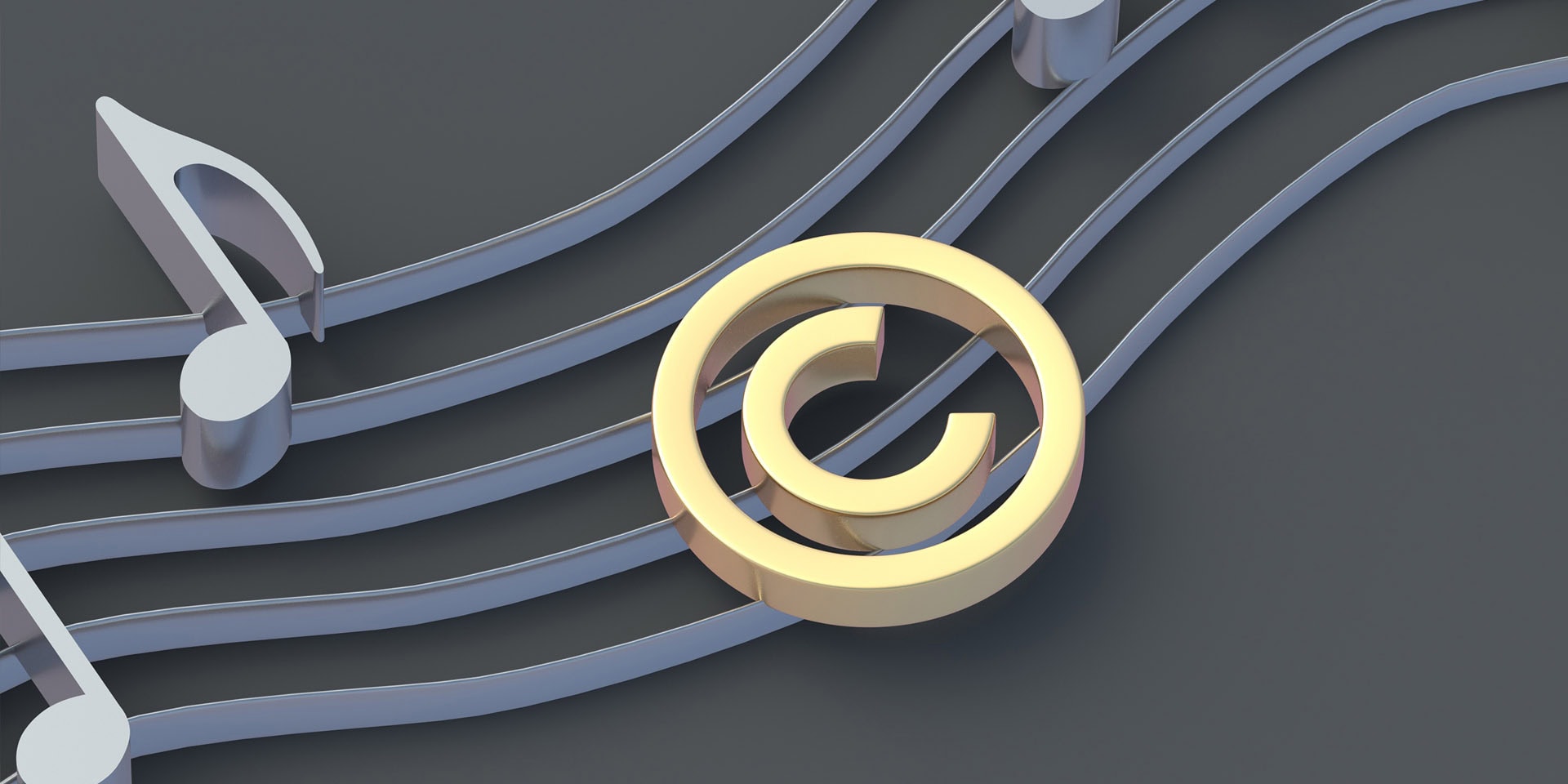
Here is the good news: The core concept is beautifully teachable. Under U.S. law, copyright protection attaches the moment an original work of authorship is fixed in a tangible medium of expression (U.S. Copyright Office, n.d.). No registration, no paperwork, no waiting room. The second a melody leaves the air and lands on a page or a phone, the law has already spoken. Fixation is the birth certificate of ownership.
What is born at that moment is not one right but a bundle of them. The law hands every creator five exclusive rights: to reproduce the work, to adapt it, to distribute it, to perform it publicly, and to display it publicly (U.S. Copyright Office, n.d.). I teach this as a hand with five fingers. Hold up your hand, I tell students, and you are holding your rights. Every time someone streams your song without permission or samples it without a license, one of those fingers has been bent without your consent. Long after the vocabulary fades, the hand remains: A creator is not a beggar asking the world for a favor but a rights holder deciding what to allow.
For musicians, one distinction changes everything: A recorded song usually carries two separate copyrights, the musical composition and the sound recording (U.S. Copyright Office, n.d.). The songwriter owns the song; the recording artist or label often owns the particular recording of it. When your student writes an original song and records it on a phone, she stands at the intersection of both. Teach that intersection early. She stops thinking of herself as someone who just makes beats and starts thinking of herself as someone who owns something, and that posture shift is the whole game.

(opens in new tab) (opens in new tab) Photo: Qi Yang/Moment Collection via Getty Images
The Fixation Ritual
So how do you teach all of this in a single class period? I call it the Fixation Ritual, and it has become one of my favorite hours of any term. It costs nothing, needs no equipment beyond students’ phones, and fits inside forty minutes.
State the objective out loud. By the end of the period, every student will be able to name the exact moment copyright attaches to a creative work and describe, in their own words, the five exclusive rights they hold from that moment on. No statutes to memorize, only a moment to recognize in their own creative lives, because recognition is what survives the school year.
Here is how the period runs. Open with the question that opened this article: Who owns the beat you made last night? Let the silence sit. It is honest, and it is your best teaching ally. Then hold up your hand and name the five fingers slowly, one at a time: reproduce, adapt, distribute, perform publicly, display publicly.
Then make fixation visible. Ask a volunteer to sing or play a short original phrase and record it on your phone where everyone can see. Then say the line that anchors the lesson: “Thirty seconds ago, this was just sound. Right now, it is property. You own this.” Copyright did not ask your age. The law cares only that it is yours and that it is fixed.
Now hand them the ritual. Students pair up: One creates a short original motif and the partner records it on a phone; then they switch roles, so both leave the exercise as owners. Each student then completes a fixation ticket: what was fixed, when, in what medium, and which of the five fingers matters most to them today.
Close by asking a few pairs to share what they fixed and which finger they claimed, and listen for the verbs to shift from “I made a thing” to “I own this.” That is the sound of literacy being born.
You will know the ritual worked when the language follows them out of the room: a student telling a friend he cannot post their rehearsal clip without permission, or co-writers asking how to split a song before they release it. The exit evidence is simple: each student writes, in their own words, when fixation happened in class and what changes when someone uses their work without asking. If they can answer both, the ritual took. If they cannot, run it again next week. Some lessons deserve an encore.
Read the Score the Industry Gave You
The rules of this game keep changing, which is exactly why literacy matters more than any single rule. The Orrin G. Hatch-Bob Goodlatte Music Modernization Act, signed into law on October 11, 2018, overhauled how mechanical royalties work in the streaming era, creating a blanket licensing system for digital music providers (U.S. Congress, 2018). Out of that law came the Mechanical Licensing Collective, the nonprofit that now collects streaming mechanical royalties for songwriters and publishers, which has even begun building toolkits for educators (The Mechanical Licensing Collective, 2020). Your students will live their creative lives inside systems built by laws like this one. The industry itself is starting to meet you halfway.
I live in both worlds, as a 4x Latin GRAMMY-winning recording artist and a professor who founded a music business program at the University of Florida, and I have learned that professionals read statutes the way musicians read scores: as instructions for how the performance works. You do not need to teach every law. Teach them that the laws exist, that they were written for people exactly like them, and that ignoring them is like ignoring the key signature and wondering why the piece falls apart.
Two more rituals will carry this lesson for years. First, normalize the split sheet: When students co-write, have them write down who contributed what and agree on percentages before the excitement fades. The music industry runs on this unglamorous piece of paper. The conversation feels awkward for about thirty seconds, then feels like professionalism forever. Second, hold a release-day check before anything goes public: Who owns what, who gets credit, and under what terms is this being shared? Three questions, two minutes, a lifetime of disputes quietly prevented. These are not business lessons bolted onto music education. They are music education.
Your Rehearsal Room Is Already a Rights Room
Now bring the lesson home to your own rehearsal room. Arranging a piece for your ensemble, printing lyrics in a concert program, livestreaming a performance, posting rehearsal clips to social media: Each of these everyday acts sits at the intersection of educational exceptions and copyright holders’ rights. The National Association for Music Education (NAfME, 2022) maintains copyright resources precisely because music educators live in this tension daily.
Model the behavior you want your students to internalize. When you secure permission for an arrangement or choose repertoire with licensing in mind, narrate the decision out loud. Say it plainly: “I am writing to the publisher for permission to arrange this, because the arrangement right belongs to the songwriter and I respect that.” They will learn more from watching you ask permission than from any lecture. You are teaching them that respect for other creators’ rights is part of what it means to be a professional.
Creative Commons, the nonprofit behind the licenses, built a simple, standardized way for creators to say “some rights reserved” instead of “all rights reserved,” choosing in advance whether to permit commercial use, adaptation, and sharing (Creative Commons, n.d.). Imagine a class compilation album where every student selects a license for her own track and defends the choice in one paragraph. One keeps all rights. Another invites remixes. A third dedicates the work to the public domain. In a single project they learn the entire spectrum of ownership, not as vocabulary words but as decisions with consequences.
Austin Kleon reminds us that sharing your creativity is itself a creative act, and that showing your work is how creative people get discovered (Kleon, 2014). IP literacy is what makes that sharing safe, generous, and sustainable: the difference between a student who posts in fear and a student who posts with intention. Teach the hand, teach the license, and then bless the sharing. That is the full arc of a creative life.
(opens in new tab) (opens in new tab) Photo: CatLane/iStock/Getty Images Plus
Final Cadence
Here is the reframe to carry into your classroom tomorrow: You are never just a teacher. You are your students’ first rights manager, their first publisher, the first adult to say the song they made at midnight in their bedroom is property, that property has power, and that power deserves stewardship. Many of our students come from communities where ownership has historically been denied. Teaching a young creator that her work is hers is not a technical lesson. It is a lesson in dignity. It is a calling.
The next time a student plays you something original, do not only praise the melody. Ask who owns it, then teach them the answer. That is how a teacher becomes a witness to a young creator’s testimony: My work matters, my rights matter, and I know how to protect both.
References
Creative Commons. (n.d.). About CC licenses(opens in new tab).
Kleon, A. (2014). Show your work!: 10 ways to share your creativity and get discovered. New York, NY: Workman.
National Association for Music Education. (2022). Basics of copyright for music educators.
The Mechanical Licensing Collective. (2020, December 11). The Mechanical Licensing Collective unveils new toolkit for college educators and future music professionals(opens in new tab).
U.S. Congress. (2018). Orrin G. Hatch-Bob Goodlatte Music Modernization Act, Pub. L. No. 115-264, 132 Stat. 3676.
U.S. Copyright Office. (n.d.). Copyright basics(opens in new tab) (Circular 1).
About the author:
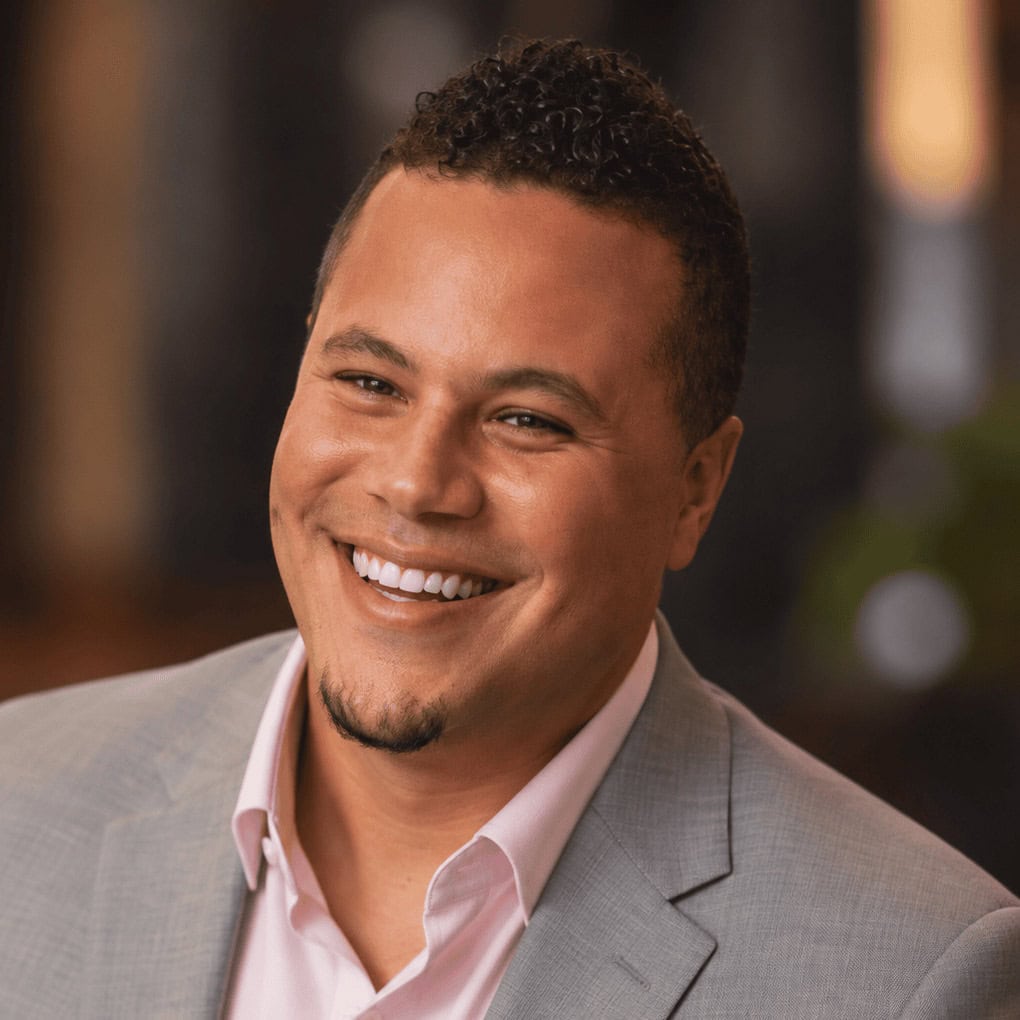 (opens in new tab)NAfME member Dr. José Valentino Ruiz is a multi-Latin GRAMMY®-winning and multi-Global Music® Award-winning bassist, multi-instrumentalist, composer, producer, and educator. He is an Associate Professor and Founder/Coordinator of Music Business & Entrepreneurship at the University of Florida, a U.S. Department of State U.S. Speaker on Creative Economy and Global Arts Entrepreneurship, and an internationally active recording and performing artist. Ruiz also serves in editorial, research, and interdisciplinary leadership roles spanning music, creative industries, entrepreneurship, artificial intelligence, healthcare, and cultural diplomacy.
Did this blog spur new ideas for your music program? Share them on Connect!(opens in new tab) Interested in reprinting this article? Please review the reprint guidelines(opens in new tab).
The National Association for Music Education (NAfME) provides a number of forums for the sharing of information and opinion, including blogs and postings on our website, articles and columns in our magazines and journals, and postings to our Connect member portal. Unless specifically noted, the views expressed in these media do not necessarily represent the policy or views of the Association, its officers, or its employees.