
Innovation
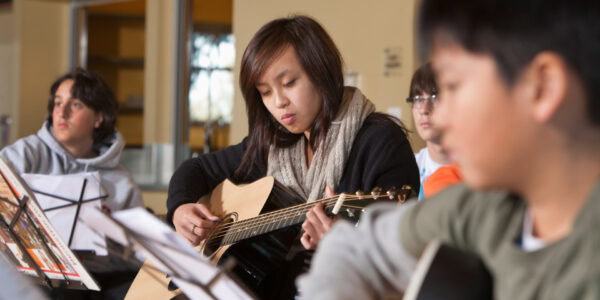
Musicianship is the disciplined and imaginative capacity to understand, create, organize, and communicate through sound in ways that contribute meaningfully to human experience.

Rethinking musical ability is not just about classroom practice but also about how qualifications are structured, how success is measured, and how the curriculum is shaped.

The rubric’s job is not to reduce artistry to checkboxes. It is to make your expectations visible so students can aim at something real. Here are three sample rows from my own program.
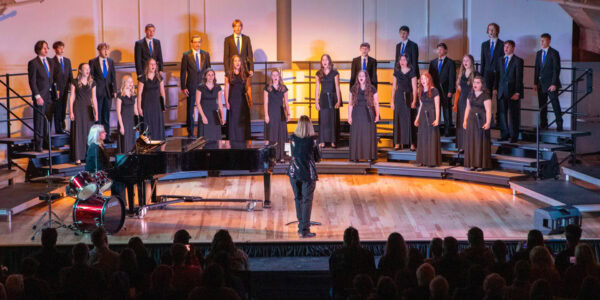
The fundamentals of our work (ensemble, mentorship, the shared discipline of making something beautiful together) travel well beyond the walls of a traditional school.
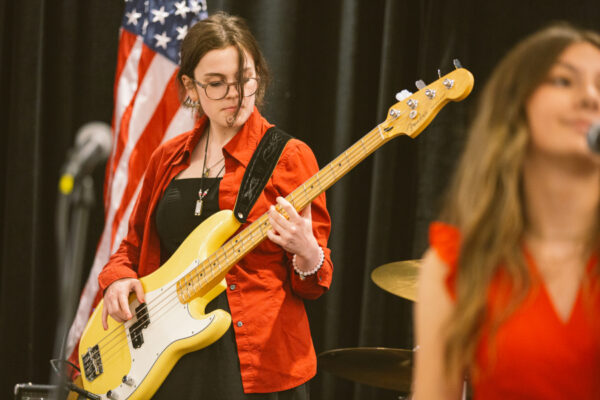
This article argues that delivery is itself a creative act and offers a practical five-phase arc teachers can run across a semester.
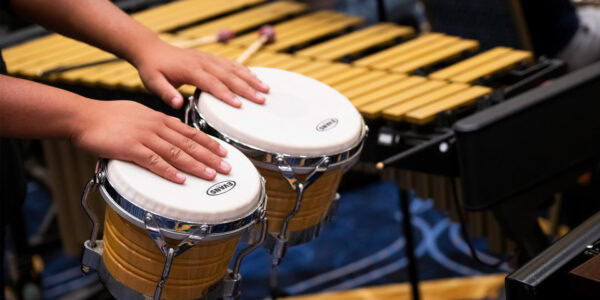
The future may belong neither to the narrowly specialized musician nor to the musician who attempts to master everything. It may belong to musicians who develop something more difficult: depth with connectivity.
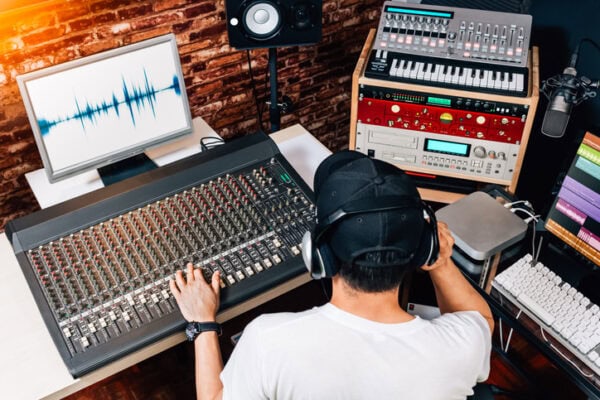
If we define modern band by instrumentation and genre, then we limit its possibilities. If we define it by philosophy, then the possibilities become endless.

How do you guide students through the creative process in a way that feels authentic, modern, and student-driven? Lauren Reynolds shares her two-week Background Music Project.

Top 10 #MusicEd Blogs of 2025 Here’s a look back at the Top 10 most-read NAfME Blogs of 2025. We thank NAfME members and corporate members for sharing your ideas,…

Chance the Rapper’s Redemption Hip-Hop as a Lifeline for Neurodivergent Music Education By NAfME Members José Valentino Ruiz, Ph.D. and Andrew Wang A Mic Drop Moment: Chance’s Revelation When Chance…