
Standards
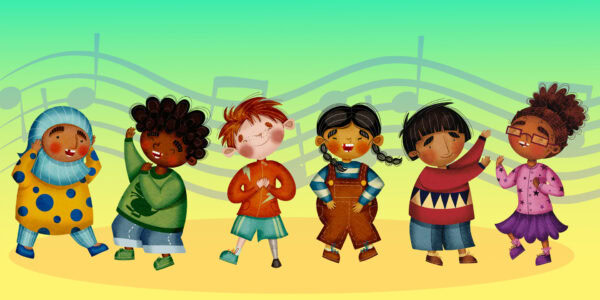
Students of all ages benefit from internalizing musical sounds before encountering the symbols that represent them. Only after embodied experience can students truly understand and reproduce Guido d’Arezzo’s secret codes, now commonly called “music notation.”
As we celebrate National Arts in Education Week (September 13-19, 2026), the National Coalition for Arts Standards (NCAS) is now recruiting volunteers to serve as Writing Team Members (up to…
The National Coalition for Arts Standards (NCAS) is excited to introduce Janine Campbell as its new Standards Review Project Manager. As the central coordinator for the full National Arts Standards…

How do you guide students through the creative process in a way that feels authentic, modern, and student-driven? Lauren Reynolds shares her two-week Background Music Project.
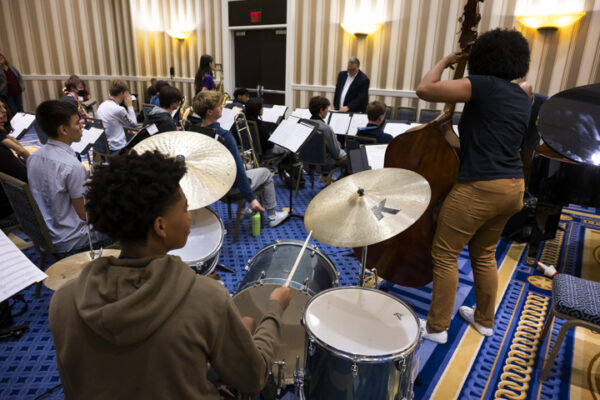
When teachers intentionally design rehearsal culture around these ideas, they create ensembles that don’t just play jazz—they are transformed by and through it.
By NAfME Member Lori Schwartz Reichl “Responsibility has become the fundamental imperative in modern civilization, and it should be an unavoidable criterion to assess and evaluate human actions, including, in…
Teachers Share Favorite Activities and Artists This article first appeared in the January 2026 issue of Teaching Music. To help music educators plan for Jazz Appreciation Month in April, Teaching…

Top 10 #MusicEd Blogs of 2025 Here’s a look back at the Top 10 most-read NAfME Blogs of 2025. We thank NAfME members and corporate members for sharing your ideas,…
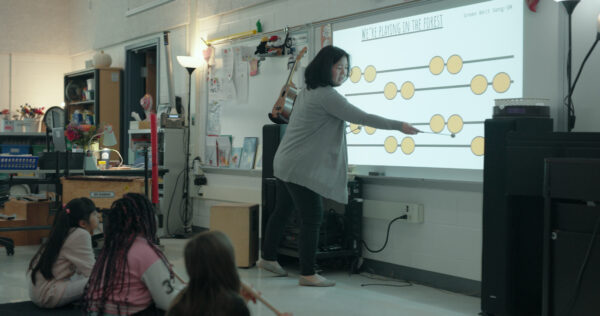
Elementary Music Teachers’ Contributions to the K–12 Ecosystems By Cecil Adderley, Ph.D., NAfME President-Elect This article first appeared in the April 2025 issue of Journal of General Music Education. All…

National Coalition for Arts Standards (NCAS) Announces Review of National Arts Standards Eleven years after the release of the National Arts Standards in 2014, the National Coalition for Arts Standards…