
Elements
(Dynamic)
Dynamic elements automatically pull content in from other places (like a feed of blog posts).
In many cases, you can use CSS classes like .bg-dark, .larger or .invert to quickly modify the appearance of many of these sections. To learn more about available classes, visit your Style Guide.
Looking for more elements?
Visit your static elements library.
⚡️ Quick Tip
How to use classes in the page builder
All page builder elements, from rows, to columns, to modules, allow you to assign custom CSS classes to manipulate their appearance in a predefined way. We have indicated when this is the case with any of the elements below.
To assign a class to an element:
- Open the Row, Column, or Module settings.
- Click the "Advanced" tab.
- Scroll to the bottom.
- Enter your desired class in the "Classes" field. (To add multiple classes, separate them with a space.)
- Hit "Save"
Bonus: You can add the class invert to any element to create inverted text (like this!)

Feeds
Feed - Featured Post
Tip: You can also use these items as one-offs (displayed without a feed) to highlight just one piece of content.
Announcing Janine Campbell as NCAS Standards Review Project Manager

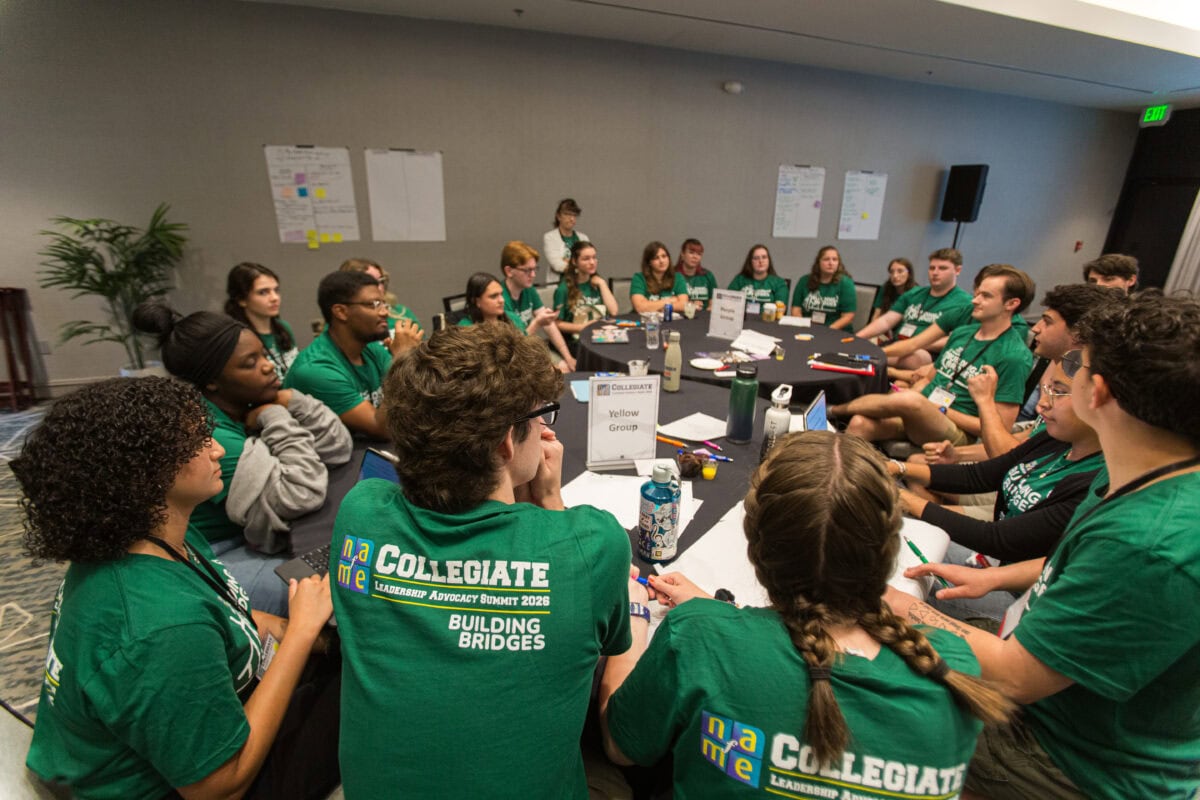
Building Bridges
Feed - Featured Event
Tip: You can also use these items as one-offs (displayed without a feed) to highlight just one piece of content.
Feed - Featured Resources
Featured Resources
Lorem ipsum dolor sit amet, consectetur adipiscing elit ut aliquam, purus sit amet luctus venenatis.
Feed - Grid with Filters - Posts
Sed cursus sit morbi scelerisque curabitur. Vel et mollis fermentum at nunc, pretium.
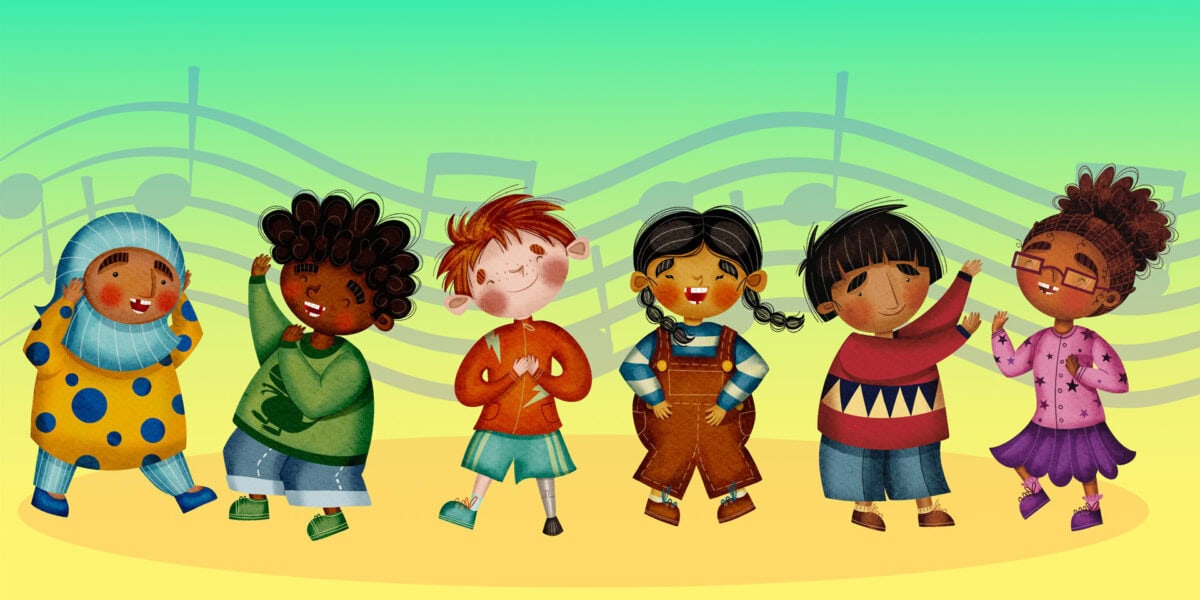
From Sound through Soma to Symbol

Your Students Are Already Rights Holders
NCAS Call for Writing Team Members and Discipline Leads

Best “Low-Lift” Chapter Activities for New and Establishing Tri-M® Chapters
Feed - Grid with Filters - Resources
Sed cursus sit morbi scelerisque curabitur. Vel et mollis fermentum at nunc, pretium.
Hill Day 2026 Social Media Guide and Shareable Graphics
As we take our expertise to Capitol Hill on June 24, social media is one of our most powerful advocacy tools. Every post before, during, and after #NAfMEHillDay helps raise…
Music Education Policy Roundtable FY 2027 Legislative Agenda
The Music Education Policy Roundtable is unified by our commitment to advancing federal legislation that supports and expands access to robust music education programs in schools nationwide. Explore our shared…
119th Congress Legislative Overview
A comprehensive list of legislation NAfME supports in the 119th Congress.
FY 2027 Programmatic Fact Sheet
An overview of programs and grants NAfME urges Congress to invest in for fiscal year 2027, including suggested funding levels.
Grids
Grid - Simple Grid with Image
From Sound through Soma to Symbol
Your Students Are Already Rights Holders
NCAS Call for Writing Team Members and Discipline Leads
What’s At Stake: How Proposed Federal Education Cuts Could Impact Music Education
EdTPA: Strategies for Success
Music Educators, Influencers, and the Law






Grid - Simple Grid
Tip: Use this as a base for creating your own grid layouts. The partial is already prepped.
EdTPA: Strategies for Success
Music Educators, Influencers, and the Law
Grid - Complex Grid
Tip: Use this as a base for creating your own grid layouts. The partial is already prepped.
NAfME AI Task Force
The latest breakthrough advancement in technology, Artificial Intelligence (AI), has the potential to significantly transform the landscape of music education. As new technology becomes integrated into school systems, it’s important…
Music Teacher Profession Advisory Committee
The work of the Music Teacher Profession Initiative (MTPI), begun in January 2021, brought attention to the importance of music teacher education as a primary responsibility of the National Association…
Teaching Music Magazine Advisory Committee
Teaching Music Magazine is the NAfME publication for all members at all teaching levels and in all areas. Membership includes four issues per year, distributed both in print and digitally. Articles…
Grid - Complex Grid without leadin
Tip: Use this as a base for creating your own grid layouts. The partial is already prepped.
From Sound through Soma to Symbol
Students of all ages benefit from internalizing musical sounds before encountering the symbols that represent them. Only after embodied experience can students truly understand and reproduce Guido d’Arezzo’s secret codes, now commonly called “music notation.”
Your Students Are Already Rights Holders
This article offers music educators a teachable, classroom-ready approach to intellectual property literacy.
NCAS Call for Writing Team Members and Discipline Leads
As we celebrate National Arts in Education Week (September 13-19, 2026), the National Coalition for Arts Standards (NCAS) is now recruiting volunteers to serve as Writing Team Members (up to…